Explore 3D Printer Innovations and Smart Printing Tips
3D Printing has changed the way people create prototypes, tools, models, and custom parts. A modern 3D Printer can produce objects layer by layer using digital designs and specialized materials. Technologies such as Resin Printer systems, FDM Printer machines, and SLA Printer devices are now used in education, healthcare, engineering, and manufacturing.
As 3D Printing continues to improve, many industries are using it for Rapid Prototyping and product development. Materials like PLA Filament have also become common because they are easy to use and suitable for beginners. Understanding how these technologies work can help users make informed decisions about printing methods, materials, and safety practices.
Context
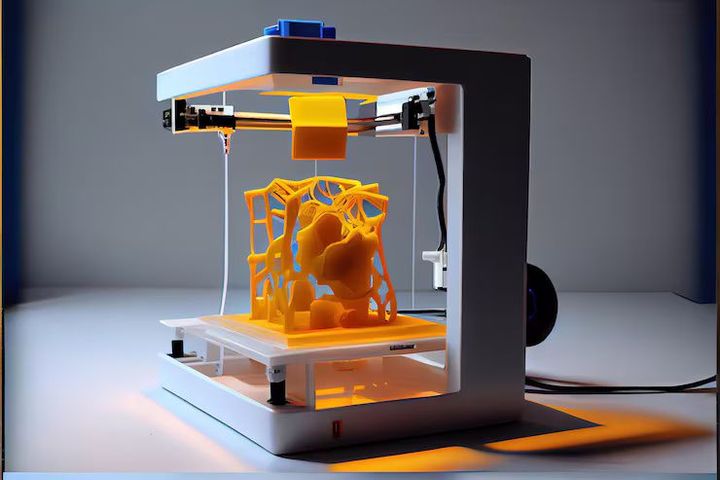
A 3D Printer is a machine that creates physical objects from digital files. The process involves building layers of material until the final shape is completed. This technology first became popular for industrial design but is now widely used in schools, workshops, and research environments.
There are several common types of 3D Printing systems:
- FDM Printer technology melts plastic filament and deposits it layer by layer
- Resin Printer systems use liquid resin that hardens with light
- SLA Printer devices use lasers to cure resin into detailed models
How FDM Printing Works
An FDM Printer feeds materials such as PLA Filament through a heated nozzle. The nozzle moves according to a digital design and places thin layers of material onto a printing surface.
This method is popular because it is simple to understand and suitable for educational and home-based projects. PLA Filament is widely used because it produces minimal odor and supports smoother printing for beginners.
How Resin and SLA Printing Work
A Resin Printer uses liquid photopolymer resin and ultraviolet light to create objects with high detail. An SLA Printer follows a similar approach but often uses laser-based curing technology for precise layers.
These printers are commonly used for dental models, jewelry prototypes, engineering samples, and detailed miniatures where surface quality is important.
Importance
3D Printing supports faster product development and design testing. Companies and educational institutions use Rapid Prototyping to create sample parts before large-scale manufacturing begins.
The technology affects several industries, including:
- Healthcare for medical models and dental planning
- Automotive engineering for component testing
- Education for technical learning and design projects
- Architecture for scaled building models
- Aerospace research for lightweight parts
3D Printing also allows designers to test ideas quickly without depending on traditional manufacturing methods. This can improve experimentation and reduce material waste during early development stages.
The growing availability of desktop printers has also increased public awareness of digital manufacturing and engineering skills.
Recent Updates
From 2024 to 2026, the 3D Printing industry has seen improvements in speed, automation, and material compatibility. Many manufacturers are focusing on sustainable materials and improved software integration.
Recent developments include:
- Faster FDM Printer systems with automatic calibration
- Improved Resin Printer safety features and air filtration
- Advanced SLA Printer accuracy for medical and industrial use
- Expanded use of recycled PLA Filament materials
- Artificial intelligence integration for print monitoring
The use of Rapid Prototyping has also increased in small manufacturing environments. Businesses are testing lightweight parts, custom tools, and product samples more efficiently than before.
Another important trend is multi-material printing. Some modern 3D Printer systems can now combine flexible and rigid materials in a single object. This supports more advanced engineering and design applications.
Growth of Sustainable Printing
Environmental concerns have encouraged the use of biodegradable and recycled materials. PLA Filament remains one of the most recognized options because it is derived from renewable resources such as corn starch.
Researchers are also exploring reusable resin systems and lower-energy printing methods to reduce industrial waste.
Smarter Software Integration
Modern 3D Printing software now includes automatic error detection, cloud monitoring, and remote printer management. These tools help users monitor print quality and reduce failed prints.
Some systems also use machine learning to optimize print settings based on material type and model complexity.
Laws or Policies
Governments and regulatory organizations continue to study the impact of 3D Printing on safety, manufacturing, and intellectual property. Rules vary by country and industry.
Important policy areas include:
| Area | Purpose |
|---|---|
| Product Safety | Ensures printed parts meet technical standards |
| Intellectual Property | Protects digital design ownership |
| Material Regulations | Controls safe handling of chemicals and resins |
| Medical Standards | Regulates healthcare-related printed products |
| Environmental Policies | Encourages responsible material disposal |
Users working with Resin Printer or SLA Printer technology should follow ventilation and chemical handling guidelines. Liquid resin materials may require protective equipment and proper disposal procedures.
Some countries also regulate the production of restricted items through 3D Printing. Educational and industrial users are encouraged to follow local manufacturing and safety regulations.
Tools and Resources
Several software tools and platforms help users prepare models, manage print settings, and improve print quality.
Useful resources include:
- Slicer software for converting 3D models into printer instructions
- CAD platforms for creating digital object designs
- Material databases for comparing PLA Filament and resin properties
- Print monitoring applications for remote tracking
- Online design libraries for educational model exploration
Common software categories include:
| Tool Type | Main Function |
| CAD Software | Creates 3D models |
| Slicer Programs | Prepares files for printing |
| Printer Firmware | Controls printer hardware |
| Monitoring Tools | Tracks print progress |
| Simulation Software | Tests model behavior |
Learning resources from universities and technical institutions have also improved public understanding of Rapid Prototyping and additive manufacturing concepts.
FAQs
What is the difference between an FDM Printer and a Resin Printer?
An FDM Printer uses melted filament material, while a Resin Printer uses liquid resin cured with light. Resin systems generally produce finer detail, while FDM systems are commonly used for general-purpose printing.
Why is PLA Filament commonly used?
PLA Filament is popular because it is easier to print, produces less odor, and works well for educational and beginner projects.
What is Rapid Prototyping in 3D Printing?
Rapid Prototyping is the process of quickly creating sample models or parts for testing and design evaluation before final production.
Are SLA Printer systems suitable for detailed objects?
Yes. An SLA Printer is often used for detailed applications such as dental models, engineering prototypes, and miniature designs.
Is 3D Printing used outside manufacturing?
Yes. 3D Printing is also used in healthcare, architecture, education, aerospace research, and product design studies.
Conclusion
3D Printing continues to influence modern manufacturing, education, and engineering. Technologies such as FDM Printer systems, Resin Printer devices, and SLA Printer machines provide different advantages depending on the application. Materials like PLA Filament have made printing more accessible for beginners and educational environments.
Recent developments between 2024 and 2026 show increased focus on automation, sustainability, and smarter software integration. Rapid Prototyping remains one of the most important uses of this technology because it supports faster testing and design improvement. As innovation continues, 3D Printer technology is expected to remain an important part of digital manufacturing and technical learning.