Evaporator Coils Guide: Understanding Cooling Performance and System Efficiency
Evaporator coils are one of the most important components in air conditioning and refrigeration systems. Their primary purpose is to absorb heat from indoor air, allowing the cooling system to reduce temperature and improve indoor comfort. Whether used in residential buildings, commercial facilities, industrial plants, or cold storage environments, evaporator coils play a major role in maintaining consistent cooling performance.
Modern HVAC systems rely on well-designed evaporator coils to improve energy efficiency, maintain indoor air quality, and support reliable operation. As cooling technologies continue to evolve, manufacturers are developing advanced coil designs that improve heat transfer while reducing energy consumption.
Understanding Evaporator Coils
An evaporator coil is a heat exchanger installed inside an HVAC or refrigeration system. It contains refrigerant that absorbs heat from surrounding air. As warm air passes across the coil, the refrigerant evaporates from a liquid into a gas, carrying heat away from the indoor environment.
This continuous heat exchange process creates cooler air that is circulated throughout the building while the absorbed heat is transferred outdoors through the condenser section.
How Evaporator Coils Work
The cooling cycle follows several important stages.
- Liquid refrigerant enters the evaporator coil through an expansion device.
- Pressure decreases significantly inside the coil.
- Warm indoor air passes over the coil surface.
- Refrigerant absorbs heat and evaporates into gas.
- The cooled air is distributed through ductwork.
- Refrigerant travels to the compressor and condenser before repeating the cycle.
This closed-loop process continues until the desired indoor temperature is reached.
Main Components of an Evaporator Coil
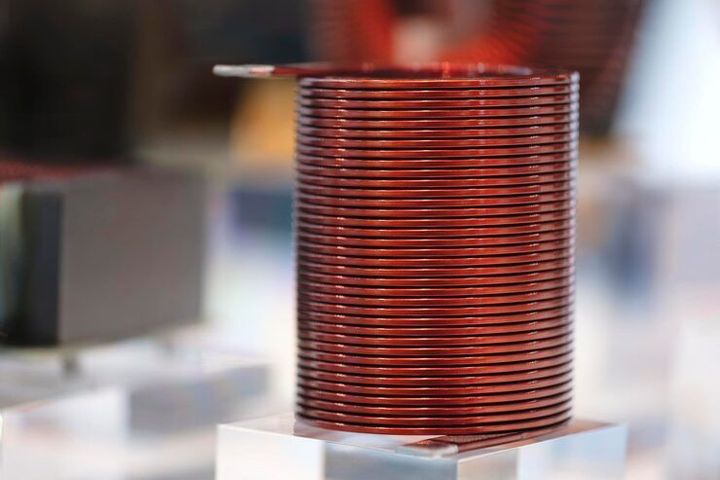
Coil Tubes
- Carry refrigerant through the system
- Usually manufactured from copper or aluminum
- Increase surface area
- Improve heat transfer efficiency
Refrigerant
- Absorbs heat during evaporation
- Circulates continuously within the sealed system
- Collects condensation produced during cooling
- Prevents water accumulation
Refrigerant Connections
- Connect evaporator coils with other HVAC components
- Support continuous refrigerant circulation
Common Types of Evaporator Coils
| Type | Typical Application | Main Advantage |
|---|---|---|
| A-Coil | Residential HVAC | Compact design with efficient airflow |
| N-Coil | High-capacity systems | Increased cooling surface |
| Slab Coil | Commercial equipment | Simple installation and maintenance |
| Cased Coil | Split air conditioners | Added protection and easier replacement |
| Uncased Coil | Custom HVAC systems | Flexible installation options |
Importance of Evaporator Coils
Efficient evaporator coils contribute to overall HVAC performance by improving cooling capacity and reducing unnecessary energy consumption.
Major benefits include:
Better Cooling Performance
- Faster heat absorption
- Stable indoor temperatures
- Reduced compressor workload
- Lower overall energy usage
Indoor Comfort
- Consistent airflow
- Balanced humidity levels
- Supports moisture removal
- Helps reduce excess indoor humidity
Longer Equipment Life
- Reduces mechanical stress
- Supports dependable system operation
Real-World Applications
Evaporator coils are used across many industries.
Residential Buildings
- Central air conditioning
- Heat pump systems
- Office complexes
- Shopping centers
- Educational institutions
- Healthcare facilities
Industrial Facilities
- Manufacturing plants
- Process cooling
- Equipment cooling
- Cold storage warehouses
- Food processing
- Pharmaceutical storage
Transportation
- Refrigerated trucks
- Marine refrigeration
- Railway cooling systems
Materials Used in Evaporator Coils
Manufacturers commonly use two materials.
Copper
Advantages
- Excellent thermal conductivity
- Easy repair
- High durability
Limitations
- Higher material expense
- Heavier than aluminum
Aluminum
Advantages
- Lightweight
- Corrosion resistant
- Improved manufacturing flexibility
Limitations
- Repairs may be more complex
- Slightly lower thermal conductivity
Common Problems and Their Solutions
Several operational issues may reduce cooling performance.
Dirty Coil Surface
Effects
- Reduced airflow
- Lower cooling efficiency
Solution
- Regular cleaning
- Scheduled inspections
Ice Formation
Causes
- Restricted airflow
- Refrigerant imbalance
Solution
- Inspect air filters
- Verify refrigerant levels
Refrigerant Leakage
Effects
- Poor cooling
- Increased compressor operation
Solution
- Leak detection
- Proper system repair
Corrosion
Effects
- Reduced equipment life
- Refrigerant leakage
Solution
- Protective coatings
- Moisture control
Blocked Drain Line
Effects
- Water overflow
- Moisture problems
Solution
- Routine drain cleaning
Maintenance Practices
Proper maintenance improves performance and extends equipment life.
Recommended Maintenance Activities
- Inspect coil surfaces regularly
- Replace clogged air filters
- Clean condensate drain lines
- Monitor refrigerant pressure
- Check airflow restrictions
- Inspect insulation
- Schedule periodic professional inspections
- Verify thermostat operation
Routine maintenance helps maintain stable cooling efficiency throughout the year.
Recent Developments (2025–2026)
HVAC technology continues to evolve with greater emphasis on efficiency and environmental responsibility.
Recent developments include:
Advanced Microchannel Coil Designs
Manufacturers continue expanding microchannel technology to improve heat transfer while reducing refrigerant volume and equipment weight.
Low Global Warming Potential Refrigerants
During 2025 and 2026, more HVAC systems have adopted lower Global Warming Potential (GWP) refrigerants to support environmental objectives and improve sustainability.
Smart HVAC Monitoring
Modern HVAC platforms increasingly integrate sensors that monitor evaporator coil temperature, airflow, humidity, and operating efficiency in real time.
Improved Anti-Corrosion Coatings
New protective coatings help reduce corrosion caused by moisture, industrial environments, and coastal conditions.
AI-Based Predictive Maintenance
Artificial intelligence is increasingly used to detect performance changes early, allowing maintenance before significant system failures occur.
Standards and Regulations
Several standards influence evaporator coil design and HVAC performance.
International Energy Efficiency Standards
Many countries continue strengthening minimum energy efficiency requirements for HVAC equipment to reduce electricity consumption.
Environmental Refrigerant Regulations
Environmental agencies encourage the transition toward refrigerants with lower environmental impact and reduced greenhouse gas emissions.
Building Energy Codes
Modern commercial buildings increasingly follow updated energy efficiency codes that encourage optimized HVAC system performance.
Safety Standards
HVAC equipment manufacturers follow recognized electrical, refrigeration, and mechanical safety standards during product design and manufacturing.
Useful Tools, Platforms, and Learning Resources
Design and Engineering Tools
- HVAC load calculation software
- Building energy modeling software
- Refrigeration system simulators
- CAD software
- BIM platforms
Educational Resources
- HVAC engineering textbooks
- Refrigeration engineering manuals
- Technical training institutes
- Manufacturer technical documentation
- Industry webinars
- Professional engineering organizations
### Frequently Asked Questions
What is the primary purpose of an evaporator coil?
An evaporator coil absorbs indoor heat through refrigerant evaporation, allowing the HVAC system to cool indoor air efficiently.
How often should evaporator coils be cleaned?
Inspection is recommended at least once each year. Cleaning frequency depends on operating conditions, dust levels, and equipment usage.
Which material performs better: copper or aluminum?
Both materials perform well. Copper provides excellent heat transfer and repairability, while aluminum offers lower weight and strong corrosion resistance.
Can dirty evaporator coils reduce cooling efficiency?
Yes. Dirt restricts airflow and heat transfer, causing the cooling system to work harder and reducing overall efficiency.
Are modern evaporator coils becoming more energy efficient?
Yes. Manufacturers continue introducing improved coil geometries, smart monitoring capabilities, advanced coatings, and compatibility with environmentally friendly refrigerants to enhance overall efficiency.
Conclusion
Evaporator coils are essential components of modern HVAC and refrigeration systems because they enable efficient heat absorption and reliable cooling performance. Their design, materials, and maintenance directly influence energy efficiency, indoor comfort, and equipment reliability.
Advances in microchannel technology, environmentally responsible refrigerants, smart monitoring systems, and predictive maintenance continue improving evaporator coil performance across residential, commercial, and industrial applications. Understanding how evaporator coils function and following recommended maintenance practices helps ensure dependable operation, improved efficiency, and longer equipment life.