Industrial Spare Parts Guide: Types, Uses & Benefits Explained
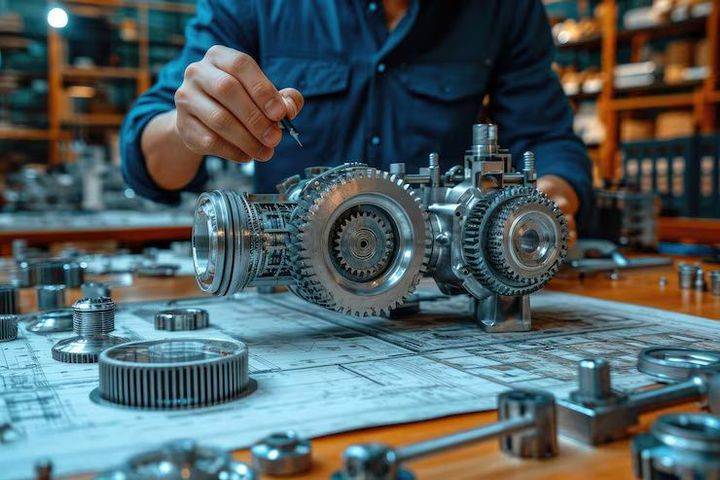
Industrial spare parts are replacement components used to repair, maintain, or improve industrial machinery and equipment. Every machine contains multiple mechanical, electrical, hydraulic, and electronic components that experience wear over time. When one of these components reaches the end of its operating life or becomes damaged, it is replaced with a suitable spare part to restore normal machine performance.
Industries such as manufacturing, construction, mining, agriculture, transportation, energy, food processing, healthcare, and logistics rely heavily on spare parts to keep production systems running smoothly. Without timely replacement of worn components, machines may experience unexpected downtime, reduced efficiency, and increased maintenance requirements.
Industrial spare parts have evolved alongside industrial technology. Traditional mechanical components are now often supported by electronic sensors, automation systems, and digital monitoring technologies that improve equipment reliability and maintenance planning.
Common Types of Industrial Spare Parts
Industrial machinery uses many different categories of spare parts depending on the application.
| Spare Part Category | Common Purpose | Typical Applications |
|---|---|---|
| Mechanical Parts | Motion and power transmission | Bearings, gears, shafts |
| Electrical Parts | Power distribution | Switches, relays, cables |
| Hydraulic Parts | Fluid power systems | Pumps, valves, cylinders |
| Pneumatic Parts | Air-powered operations | Compressors, fittings |
| Electronic Parts | Monitoring and automation | Sensors, controllers |
| Safety Components | Workplace protection | Emergency switches, guards |
Each category supports different industrial processes and contributes to the overall reliability of machinery.
Why Industrial Spare Parts Matter
Industrial spare parts are essential for maintaining operational continuity across many industries. Regular maintenance supported by quality replacement components helps reduce unexpected equipment failures and improves overall productivity.
Their importance includes:
- Supporting preventive maintenance programs
- Reducing machine downtime
- Improving equipment reliability
- Extending machinery lifespan
- Enhancing workplace safety
- Maintaining production quality
- Supporting efficient resource utilization
Modern industries increasingly use predictive maintenance techniques that identify potential component failures before they occur. This proactive approach allows maintenance teams to replace parts at the right time rather than waiting for breakdowns.
Industries That Depend on Industrial Spare Parts
Many sectors rely on industrial spare parts every day.
- Manufacturing plants
- Automotive production
- Chemical processing
- Food and beverage facilities
- Pharmaceutical manufacturing
- Mining operations
- Oil and gas industries
- Power generation
- Agriculture
- Packaging industries
- Warehousing and logistics
- Water treatment facilities
Each industry requires specialized replacement components that match the equipment used in its operations.
Benefits of Proper Spare Parts Management
Managing spare parts effectively helps organizations improve maintenance planning and operational efficiency.
Some key benefits include:
- Faster equipment recovery
- Better production continuity
- Improved maintenance scheduling
- Reduced operational interruptions
- Longer equipment life
- Enhanced workplace safety
- Better inventory planning
- Increased equipment reliability
Organizations often classify spare parts according to their criticality so that the most important components remain available whenever maintenance is required.
Recent Updates and Industry Trends
Industrial maintenance has changed significantly during the past year as digital technologies continue to expand.
During 2025 and early 2026, several important trends have become more common across manufacturing industries.
Predictive Maintenance
More organizations are using condition monitoring systems that collect equipment performance data. Maintenance teams can identify worn components before failures occur.
Smart Sensors
Industrial sensors now provide continuous information about temperature, vibration, pressure, and equipment health, helping detect problems earlier.
Digital Inventory Management
Many facilities are adopting digital inventory systems that improve spare part tracking, storage management, and maintenance planning.
Sustainability Initiatives
Manufacturers are focusing on extending equipment life through preventive maintenance and responsible replacement of worn components, helping reduce industrial waste.
Automation Expansion
Industrial automation continues to increase across manufacturing facilities, creating greater demand for electronic spare parts and automation-compatible components.
Spare Parts Lifecycle Overview
The typical lifecycle of an industrial spare part follows several stages.
Equipment Installation
          │
          ▼
Regular Inspection
          │
          ▼
Wear Detection
          │
          ▼
Maintenance Planning
          │
          ▼
Replacement
          │
          ▼
Performance Monitoring
          │
          ▼
Continuous Maintenance
This cycle helps maintain equipment reliability while supporting long-term operational efficiency.
Laws and Policies Affecting Industrial Spare Parts
Industrial spare parts are influenced by various government regulations, workplace safety requirements, and quality standards. Although regulations differ between countries, several common frameworks apply internationally.
Important regulatory areas include:
- Workplace safety regulations
- Industrial equipment standards
- Machinery safety requirements
- Environmental protection policies
- Waste disposal regulations
- Recycling requirements
- Quality management systems
- Occupational health guidelines
Many countries encourage preventive maintenance programs that improve workplace safety and reduce industrial accidents. Organizations are generally expected to maintain machinery according to manufacturer recommendations while following applicable safety standards.
Environmental regulations may also require proper disposal or recycling of damaged industrial components, lubricants, batteries, and electronic parts to minimize environmental impact.
Quality management frameworks help organizations document maintenance activities, equipment inspections, and spare part usage to support operational consistency.
Useful Tools and Resources
Several general resources can help maintenance professionals and industrial organizations manage spare parts more effectively.
| Resource Type | Purpose |
| Maintenance Planning Templates | Organize scheduled inspections |
| Inventory Tracking Systems | Monitor spare part availability |
| Equipment Maintenance Checklists | Standardize maintenance procedures |
| Digital Inspection Forms | Record machine condition |
| Preventive Maintenance Calendars | Plan servicing activities |
| Equipment Manuals | Understand component specifications |
| Maintenance Logbooks | Track replacement history |
| Industrial Learning Platforms | Improve technical knowledge |
These resources support better planning and help organizations reduce maintenance-related challenges.
Best Practices for Spare Parts Management
Organizations can improve maintenance efficiency by following several practical approaches.
- Inspect equipment regularly.
- Keep accurate maintenance records.
- Classify critical spare parts.
- Monitor component wear patterns.
- Train maintenance personnel.
- Store spare parts in suitable environmental conditions.
- Follow recommended maintenance intervals.
- Review inventory periodically.
- Maintain equipment documentation.
- Dispose of damaged components responsibly.
These practices contribute to reliable equipment performance and improved operational planning.
Frequently Asked Questions
What are industrial spare parts?
Industrial spare parts are replacement components used to repair, maintain, or restore industrial machinery after normal wear, damage, or equipment failure.
Why are spare parts important in manufacturing?
They help reduce equipment downtime, improve production reliability, support preventive maintenance, and extend the operational life of industrial machinery.
What is preventive maintenance?
Preventive maintenance is a planned maintenance approach where inspections and component replacements occur before equipment failures happen, reducing unexpected interruptions.
Which industries use industrial spare parts?
Manufacturing, automotive, construction, mining, agriculture, healthcare, logistics, food processing, energy, pharmaceuticals, and water treatment industries all depend on industrial spare parts.
How does digital technology improve spare parts management?
Digital systems help monitor equipment performance, track inventory, schedule maintenance, analyze equipment data, and improve overall maintenance planning.
Conclusion
Industrial spare parts remain one of the most important elements of modern industrial operations. Every machine depends on reliable replacement components to maintain performance, safety, and operational continuity. As industries continue adopting automation, predictive maintenance, and digital monitoring technologies, spare parts management is becoming more organized and data-driven.