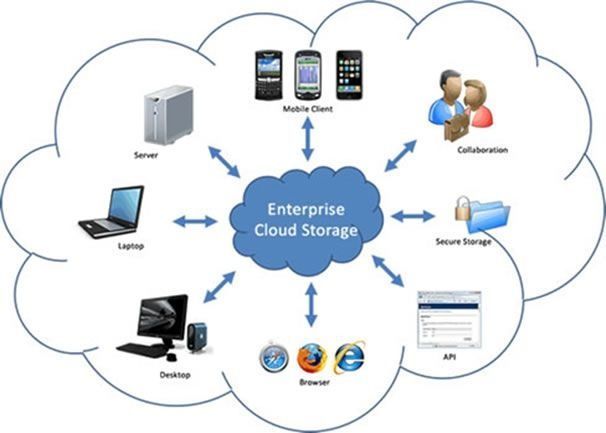
Enterprise Cloud Storage: Technologies, Systems and Insights
Enterprise cloud storage has become a fundamental part of modern digital infrastructure.
Organizations generate and manage vast amounts of information every day, ranging from business records and operational data to multimedia files and analytics datasets. Storing, protecting, and accessing this information efficiently is a growing challenge.
Enterprise cloud storage provides a scalable approach to managing data across distributed environments. Instead of relying solely on traditional on-premises storage infrastructure, organizations use cloud-based platforms to improve accessibility, collaboration, security, and operational flexibility.
As digital transformation initiatives continue to expand, enterprise cloud storage plays an increasingly important role in supporting business continuity, data management, remote operations, analytics, and long-term information retention.
Quick Facts Table
| Topic | Purpose | Key Components | Main Benefits | Common Applications |
|---|---|---|---|---|
| Enterprise Cloud Storage | Store, manage, protect, and access digital information | Storage platforms, encryption, access controls, backup systems, monitoring tools | Scalability, accessibility, security, collaboration, data protection | Business operations, analytics, document management, disaster recovery, remote work |
What Is Enterprise Cloud Storage?
Enterprise cloud storage is a technology framework that enables organizations to store and manage digital information using cloud-based infrastructure rather than relying entirely on local storage systems.
These environments allow users and applications to access information through secure network connections while supporting centralized management, data protection, and scalability.
Cloud storage systems can accommodate growing data requirements without requiring extensive physical infrastructure expansion.
Why Is Enterprise Cloud Storage Important?
Modern organizations depend on continuous access to information. Data supports decision-making, customer interactions, analytics, compliance activities, and operational processes.
Enterprise cloud storage helps organizations:
- Manage growing data volumes
- Improve information accessibility
- Support remote work environments
- Enhance collaboration
- Strengthen data protection
- Improve disaster recovery readiness
- Simplify storage management
- Support digital transformation initiatives
Enterprise Cloud Storage Facts
- Cloud-based storage adoption continues to grow across industries.
- Organizations increasingly manage data across hybrid environments.
- Data protection remains a major priority for enterprise storage strategies.
- Remote access capabilities support distributed workforces.
- Automation technologies improve storage management efficiency.
- Analytics workloads require scalable storage infrastructure.
- Long-term data retention requirements continue to increase.
Understanding the Core Concept
Enterprise cloud storage provides centralized storage resources that can be accessed through networks and managed through cloud platforms.
Rather than storing all information on local servers, organizations can distribute data across secure storage environments designed to support scalability, resilience, and accessibility.
This approach helps organizations adapt to changing storage requirements while maintaining operational flexibility.
Major Enterprise Cloud Storage Technologies
- Object Storage
- File Storage
- Block Storage
- Hybrid Cloud Storage
- Multi-Cloud Storage
- Data Archiving Systems
- Backup Platforms
- Storage Virtualization
- Distributed Storage Systems
- Data Replication Technologies
- Storage Monitoring Platforms
- Cloud Data Management Tools
Storage Categories Table
| Storage Category | Common Purpose |
|---|---|
| Object Storage | Large-scale data management |
| File Storage | Shared files and collaboration |
| Block Storage | Databases and applications |
| Archive Storage | Long-term retention |
| Backup Storage | Data protection and recovery |
| Hybrid Storage | Mixed cloud and local environments |
| Multi-Cloud Storage | Distributed cloud strategies |
Key Features and Core Components
Enterprise cloud storage environments typically include:
- Centralized storage repositories
- Data encryption technologies
- Access management systems
- Backup and recovery platforms
- Storage monitoring tools
- Data replication mechanisms
- Metadata management
- Version control capabilities
- Audit logging systems
- Automation technologies
- Analytics integration
- Compliance management features
What Is Object Storage?
Object storage organizes information as individual objects containing data, metadata, and identifiers. It is commonly used for large-scale storage environments and unstructured data.
What Is File Storage?
File storage organizes information into folders and directories, making it familiar for document management and collaborative environments.
What Is Block Storage?
Block storage divides data into blocks that can be managed independently. It is commonly used for databases, virtual machines, and high-performance workloads.
Cloud Storage Architecture
A typical enterprise cloud storage architecture follows this structure:
Users and Applications → Access Controls → Storage Platform → Data Protection Layer → Monitoring Systems → Backup and Recovery Environment
Architecture Explanation
Users and applications access data through secure authentication systems. Storage platforms manage data placement and retrieval while encryption and protection technologies safeguard information.
Monitoring tools track system performance and storage utilization. Backup systems support recovery and long-term retention objectives.
Storage Type Comparison Table
| Storage Type | Performance | Scalability | Common Use |
|---|---|---|---|
| Object Storage | Medium | High | Data lakes, archives |
| File Storage | Medium | Medium | Documents and collaboration |
| Block Storage | High | Medium | Databases and applications |
| Archive Storage | Low | High | Long-term retention |
| Hybrid Storage | High | High | Enterprise environments |
How Enterprise Cloud Storage Works
- Data is created by users, applications, or connected systems.
- Information is transferred to cloud storage platforms.
- Storage systems organize and index the data.
- Encryption technologies help protect stored information.
- Access management systems control permissions.
- Monitoring platforms track usage and performance.
- Backup and replication technologies support data protection.
- Authorized users retrieve information when needed.
Benefits and Advantages
Enterprise cloud storage provides numerous advantages:
- Scalable storage capacity
- Improved accessibility
- Enhanced collaboration
- Better data protection
- Centralized management
- Operational flexibility
- Support for remote operations
- Simplified infrastructure management
- Improved business continuity
- Stronger disaster recovery readiness
- Better analytics support
- Enhanced operational efficiency
Industry Applications
Financial Institutions
Cloud storage supports secure document management, analytics, and long-term record retention.
Healthcare Organizations
Healthcare providers use storage platforms to manage medical records, imaging data, and operational information.
Manufacturing Companies
Manufacturers store operational data, engineering files, and production information.
Educational Institutions
Universities and schools manage digital learning resources and research data.
Government Organizations
Public sector organizations use cloud storage for records management and information sharing.
Retail Operations
Retail organizations store transaction data, inventory information, and analytics datasets.
Technology Companies
Technology organizations manage application data, development resources, and collaboration environments.
Media and Content Management
Large media files require scalable storage infrastructure capable of handling significant data volumes.
Real-World Examples
Example: Remote Workforce Collaboration
An organization stores business documents within a cloud storage environment, allowing distributed teams to access and collaborate on information securely.
Example: Data Analytics Platform
A company maintains large datasets within object storage environments that support reporting and analytics activities.
Example: Disaster Recovery Strategy
Critical business information is replicated across multiple storage locations to support recovery during operational disruptions.
Important Factors to Consider
Organizations evaluating enterprise cloud storage should consider:
- Data protection requirements
- Scalability objectives
- Compliance obligations
- Access management needs
- Integration requirements
- Backup strategies
- Performance expectations
- Data retention policies
- Monitoring capabilities
- Long-term growth plans
Common Challenges and Solutions
| Challenge | Impact | Solution |
|---|---|---|
| Data Growth | Storage Complexity | Scalable Storage Platforms |
| Access Control Issues | Security Risks | Identity and Access Management |
| Data Loss Risks | Operational Disruption | Backup and Replication |
| Compliance Requirements | Regulatory Challenges | Governance Frameworks |
| Storage Visibility | Management Difficulties | Monitoring Platforms |
Security Technologies in Enterprise Cloud Storage
Modern cloud storage environments utilize multiple security technologies.
Encryption
Encryption protects information during storage and transmission.
Identity and Access Management
Access management systems control user permissions and authentication.
Multi-Factor Authentication
Additional verification layers improve account protection.
Activity Monitoring
Monitoring platforms track access patterns and operational activity.
Data Governance
Governance frameworks help organizations manage information responsibly.
Enterprise Cloud Storage Best Practices
- Classify information appropriately.
- Implement strong access controls.
- Utilize encryption technologies.
- Enable multi-factor authentication.
- Monitor storage usage continuously.
- Maintain backup strategies.
- Review permissions regularly.
- Apply governance policies consistently.
- Test recovery procedures periodically.
- Evaluate scalability requirements frequently.
Future Trends and Industry Insights
Enterprise cloud storage continues to evolve through innovation and automation.
Artificial Intelligence Integration
AI technologies help improve storage optimization, monitoring, and information management.
Intelligent Data Classification
Automation increasingly supports data organization and governance activities.
Hybrid Cloud Expansion
Many organizations continue adopting hybrid storage strategies that combine cloud and local infrastructure.
Multi-Cloud Environments
Distributed storage strategies improve flexibility and resilience.
Advanced Analytics Integration
Storage platforms increasingly support analytics and business intelligence workloads.
Automation Technologies
Automation helps simplify storage administration and operational management.
Edge Computing Support
Growing edge computing deployments require efficient distributed storage capabilities.
Sustainable Data Infrastructure
Organizations are focusing on efficient storage practices that support long-term sustainability goals.
Expert Insights
Enterprise cloud storage has evolved beyond simple data retention. Modern storage environments support collaboration, analytics, governance, operational resilience, and digital transformation initiatives.
As organizations continue generating larger volumes of information, scalable storage platforms, automation technologies, intelligent monitoring, and advanced security controls will become increasingly important. Future enterprise storage environments are expected to focus on flexibility, efficiency, governance, and intelligent data management.
Key Takeaways
- Enterprise cloud storage supports scalable information management.
- Multiple storage models support different workload requirements.
- Data protection remains a critical priority.
- Access management improves information security.
- Backup and replication support operational resilience.
- Hybrid and multi-cloud strategies continue to expand.
- Automation improves storage management efficiency.
- Analytics workloads require scalable storage environments.
- Governance frameworks support compliance objectives.
- Future storage systems will become more intelligent and automated.
Frequently Asked Questions (FAQ)
What is enterprise cloud storage?
Enterprise cloud storage is a cloud-based approach to storing and managing organizational data.
Why is enterprise cloud storage important?
It helps organizations manage growing information volumes while improving accessibility and scalability.
What is object storage?
Object storage organizes information as individual objects with metadata and identifiers.
What is file storage?
File storage organizes data into folders and directories for easy access and collaboration.
What is block storage?
Block storage divides data into blocks and is commonly used for databases and applications.
What is hybrid cloud storage?
Hybrid cloud storage combines cloud-based and local storage infrastructure.
What is multi-cloud storage?
Multi-cloud storage utilizes storage resources from multiple cloud environments.
How does encryption protect data?
Encryption converts information into a protected format that requires authorized access.
What is data replication?
Data replication creates copies of information across multiple storage locations.
Why is backup important?
Backups support information recovery during unexpected disruptions.
What is storage virtualization?
Storage virtualization combines multiple storage resources into a unified environment.
What role does access management play?
Access management controls who can view and manage information.
What are archive storage systems?
Archive storage systems support long-term information retention.
How does cloud storage support analytics?
Cloud storage provides scalable infrastructure for large datasets and reporting activities.
What industries use enterprise cloud storage?
Healthcare, finance, manufacturing, government, education, retail, and technology organizations use cloud storage extensively.
What is data governance?
Data governance refers to policies and processes that guide information management.
What are the main benefits of cloud storage?
Scalability, accessibility, collaboration, resilience, and centralized management.
What is the future of enterprise cloud storage?
Future platforms are expected to incorporate greater automation, analytics integration, intelligent data management, and advanced security technologies.
Conclusion
Enterprise cloud storage has become an essential component of modern digital infrastructure. By providing scalable, accessible, and secure environments for information management, cloud storage supports operational efficiency, collaboration, analytics, and business continuity.
As organizations continue expanding their digital capabilities, technologies such as intelligent monitoring, automation, hybrid architectures, and advanced data management platforms will further enhance enterprise storage environments. Understanding these systems helps organizations build resilient and adaptable information management strategies for the future.