Engineering Collaboration Software: Guide to Modern Teamwork Platforms
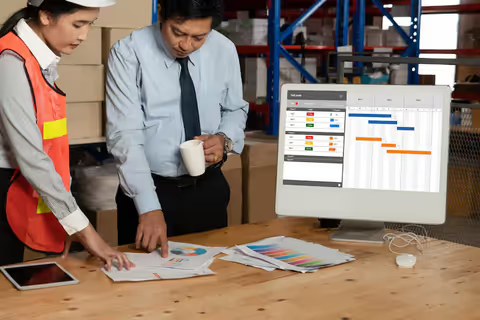
Engineering collaboration software is a digital platform that helps engineering teams communicate, share information, coordinate projects, and manage technical work throughout the product or infrastructure development lifecycle. It allows professionals from different disciplines to work together using a centralized environment where designs, documents, schedules, and project updates remain synchronized.
Modern engineering projects often involve mechanical, civil, electrical, software, manufacturing, and quality teams working simultaneously. Without a structured collaboration platform, information can become fragmented, leading to delays, duplicate work, and communication gaps.
Engineering collaboration software creates a shared workspace that supports coordinated decision-making, document management, version tracking, design reviews, and workflow automation.
How Engineering Collaboration Software Works
These platforms combine multiple engineering functions into a unified digital workspace. Authorized users can securely access project files, participate in discussions, review designs, assign tasks, and monitor project progress from different locations.
A typical workflow includes:
- Creating engineering projects
- Uploading design files
- Managing revisions
- Assigning responsibilities
- Reviewing technical documents
- Tracking approvals
- Recording engineering changes
- Monitoring project milestones
Cloud technology allows distributed engineering teams to collaborate in real time while maintaining controlled access to sensitive technical information.
Why Engineering Collaboration Software Matters
Engineering projects continue to grow in complexity. Multiple suppliers, remote teams, regulatory requirements, and shorter development timelines make collaboration increasingly important.
Organizations use engineering collaboration software to improve:
- Communication between departments
- Engineering productivity
- Project visibility
- Technical documentation
- Design consistency
- Version accuracy
- Decision-making
- Cross-functional teamwork
These improvements help reduce unnecessary redesign work and improve project coordination.
Common Challenges It Helps Solve
Engineering teams often experience challenges such as:
- Multiple versions of the same design
- Lost project documentation
- Delayed approvals
- Communication gaps
- Limited visibility across departments
- Manual workflow tracking
- Difficulty coordinating remote engineers
- Inconsistent documentation practices
Engineering collaboration software provides structured workflows that help reduce these issues.
Key Features of Engineering Collaboration Software
Centralized Document Management
- Secure document storage
- Version history
- Controlled access
- Document approval workflows
- Searchable engineering records
Design Collaboration
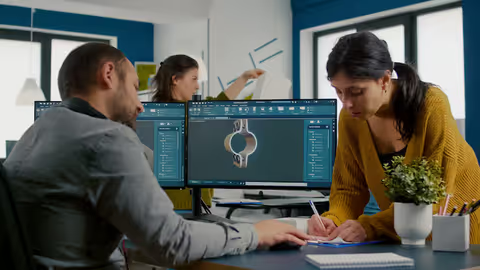
- CAD file sharing
- Design review tools
- Markup capabilities
- Comment tracking
- Real-time collaboration
Workflow Automation
- Automated notifications
- Approval routing
- Task assignment
- Engineering change tracking
- Project milestones
Communication Tools
- Team messaging
- Discussion threads
- Meeting notes
- Shared dashboards
- Activity tracking
Project Management
- Timeline planning
- Resource coordination
- Task monitoring
- Progress reporting
- Risk identification
Security Controls
- Role-based permissions
- Audit logs
- Data encryption
- Backup management
- Identity authentication
Main Components
| Component | Purpose | Typical Benefit |
|---|---|---|
| Document Repository | Stores engineering files | Better organization |
| CAD Collaboration | Supports design sharing | Faster design reviews |
| Workflow Engine | Automates approvals | Improved efficiency |
| Project Dashboard | Displays project status | Better visibility |
| Version Control | Tracks document revisions | Reduced errors |
| Communication Module | Connects project teams | Faster coordination |
| Reporting Tools | Generate project reports | Improved decision support |
| Integration Layer | Connects business systems | Streamlined workflows |
Types of Engineering Collaboration Software
Different industries require different collaboration capabilities.
Product Engineering Platforms
Used for product development involving mechanical, electrical, and manufacturing teams.
Construction Engineering Platforms
Support architects, civil engineers, contractors, and project managers throughout infrastructure projects.
Manufacturing Collaboration Systems
Coordinate engineering changes, production planning, quality assurance, and supplier communication.
Cloud-Based Engineering Platforms
Provide remote collaboration through secure cloud environments with real-time synchronization.
Enterprise Engineering Platforms
Support large organizations with integrated engineering, compliance, project management, and documentation capabilities.
Real-World Applications
Engineering collaboration software is widely used across many industries.
Manufacturing
- Product development
- Production planning
- Quality documentation
- Supplier coordination
Construction
- Building design reviews
- Infrastructure planning
- Field documentation
- Project scheduling
Automotive
- Vehicle development
- Component management
- Engineering change control
- Prototype coordination
Aerospace
- Design verification
- Regulatory documentation
- Configuration management
- Technical collaboration
Energy
- Plant engineering
- Maintenance planning
- Equipment documentation
- Asset lifecycle management
Electronics
- Circuit design collaboration
- Product testing
- Component documentation
- Manufacturing preparation
Benefits for Engineering Organizations
Organizations adopting engineering collaboration software often experience improvements in multiple operational areas.
Benefits include:
- Faster communication
- Improved document accuracy
- Better engineering coordination
- Higher project transparency
- Simplified review processes
- Enhanced regulatory readiness
- Reduced manual administration
- More consistent project documentation
- Improved knowledge sharing
- Better remote collaboration
Recent Trends and Developments (2025–2026)
Engineering collaboration platforms continue to evolve with emerging digital technologies.
Recent developments include:
- Greater adoption of Artificial Intelligence for document classification and engineering assistance.
- Expanded cloud-native engineering environments supporting globally distributed teams.
- Improved Digital Twin integration for connecting design data with operational assets.
- Wider use of Model-Based Systems Engineering (MBSE) to improve engineering consistency.
- Increased cybersecurity features for protecting engineering intellectual property.
- Better integration with Product Lifecycle Management (PLM), Enterprise Resource Planning (ERP), and Manufacturing Execution Systems (MES).
- Enhanced automation using intelligent workflow engines.
- More advanced analytics dashboards supporting engineering performance measurement.
Throughout 2025 and into 2026, many software providers have also introduced AI-assisted design reviews, automated document summaries, and predictive project analytics to improve engineering productivity.
Relevant Standards, Regulations, and Best Practices
Engineering collaboration software may support compliance with industry standards depending on the organization and sector.
Common standards include:
- ISO 9001 Quality Management
- ISO 19650 Information Management for Building Information Modeling
- ISO/IEC 27001 Information Security Management
- ASME engineering documentation practices
- IEC engineering documentation standards
- FDA electronic records guidance for regulated industries
- Engineering change management procedures
- Organizational cybersecurity policies
Compliance depends on how organizations configure and manage their engineering processes.
Useful Tools, Platforms, and Learning Resources
Popular engineering collaboration platforms include:
- Autodesk Construction Cloud
- Autodesk Fusion
- Siemens Teamcenter
- PTC Windchill
- Dassault Systèmes 3DEXPERIENCE
- Bentley ProjectWise
- Oracle Primavera
- Microsoft Teams
- Atlassian Jira
- Confluence
Learning resources include:
- Vendor documentation
- Engineering association publications
- CAD software learning portals
- Product lifecycle management courses
- Building Information Modeling training
- Digital engineering certification programs
- Project management learning platforms
- Technical standards documentation
Best Practices for Successful Implementation
Establish Clear Workflows
Define responsibilities, approval paths, and document ownership before deployment.
Maintain Version Control
Ensure all project members work from approved engineering documentation.
Standardize Documentation
Use consistent naming conventions and templates across projects.
Integrate Existing Systems
Connect engineering collaboration software with CAD, ERP, PLM, and project management tools where appropriate.
Train Team Members
Provide regular training to improve software adoption and collaboration practices.
Frequently Asked Questions
What is engineering collaboration software?
Engineering collaboration software is a digital platform that enables engineering teams to share documents, coordinate projects, manage designs, and communicate throughout the engineering lifecycle.
Who uses engineering collaboration software?
Mechanical engineers, civil engineers, electrical engineers, architects, manufacturing teams, project managers, quality specialists, and product development professionals commonly use these platforms.
How does engineering collaboration software improve productivity?
It centralizes project information, automates workflows, simplifies communication, reduces document duplication, and improves project visibility.
Can engineering collaboration software support remote teams?
Yes. Most modern platforms include cloud-based collaboration, secure document sharing, virtual design reviews, and remote project coordination features.
What should organizations consider before selecting a platform?
Organizations should evaluate integration capabilities, security features, scalability, workflow flexibility, document management functions, compliance support, and ease of adoption.
Conclusion
Engineering collaboration software has become an essential component of modern engineering operations. By bringing together project information, technical documentation, communication, and workflow management into a unified environment, these platforms help engineering teams work more efficiently while improving coordination and maintaining document accuracy.
As engineering projects continue to increase in complexity, digital collaboration technologies will play an even greater role in supporting product development, infrastructure planning, manufacturing, and multidisciplinary teamwork. Organizations that implement structured collaboration practices alongside appropriate engineering software can improve project transparency, streamline communication, and strengthen long-term operational effectiveness.