Clean Room Systems: A Complete Guide to Controlled Environment Technology
Clean room systems are specially designed environments that maintain extremely low levels of airborne particles, dust, microbes, and other contaminants.
They play an essential role in industries where even tiny particles can affect product quality, safety, or manufacturing precision.
From pharmaceutical manufacturing and semiconductor production to biotechnology and healthcare, clean room systems help create controlled conditions that support consistent results. Understanding how these systems work allows readers to appreciate their importance in modern industries and scientific research.
Quick Overview Table
| Topic | Purpose | Key Features / Components | Main Benefits | Common Applications |
|---|---|---|---|---|
| Clean Room Systems | Maintain a controlled environment with minimal contamination | HEPA filters, HVAC units, air pressure control, clean room panels, monitoring equipment | Improved product quality, contamination control, consistent manufacturing, regulatory compliance | Pharmaceutical facilities, semiconductor manufacturing, biotechnology laboratories, hospitals, medical device production, aerospace |
Understanding the Concept
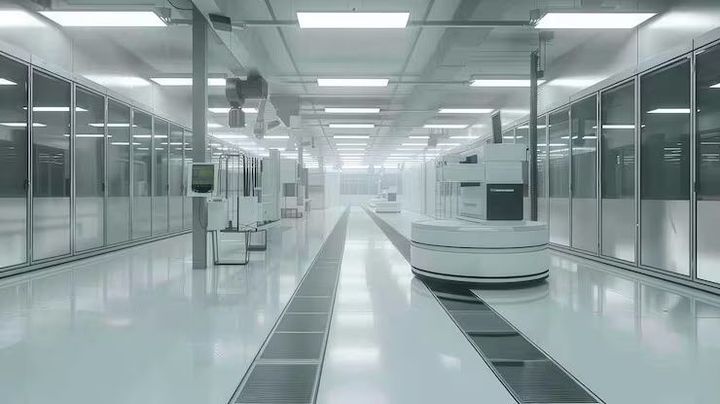
A clean room system is a carefully controlled environment where airborne particles, temperature, humidity, and air pressure are managed within defined limits. These environments are designed to reduce contamination that could affect manufacturing processes, laboratory work, or sensitive equipment.
Unlike ordinary indoor spaces, clean rooms continuously filter and circulate air using specialized ventilation systems. Strict operating procedures, protective clothing, and controlled access further reduce contamination from people and materials entering the room.
As manufacturing technologies become more advanced, clean room systems continue to grow in importance across industries that depend on precision and product consistency.
Key Features or Core Components
Several components work together to maintain a clean room environment.
- HEPA or ULPA air filtration systems
- HVAC systems for temperature and humidity control
- Positive or negative air pressure control
- Air handling units
- Clean room wall and ceiling panels
- Antistatic flooring
- Airlocks and pass-through chambers
- Environmental monitoring systems
- Particle counting equipment
- Specialized lighting
- Controlled airflow design
- Protective garments and entry protocols
Main Types or Categories
Hardwall Clean Room Systems
Hardwall clean rooms use rigid wall panels that provide a permanent and durable controlled environment. They are commonly found in pharmaceutical manufacturing, electronics production, and medical device facilities.
Softwall Clean Room Systems
Softwall clean rooms use flexible curtain materials supported by lightweight frames. They provide an adaptable solution for environments requiring moderate contamination control and can often be reconfigured as operational needs change.
Modular Clean Room Systems
Modular clean room systems consist of prefabricated components that allow faster installation and future expansion. Their flexible design makes them suitable for organizations planning facility growth or changing production requirements.
How It Works (Step-by-Step)
- Outside air enters the HVAC and air handling system.
- Air passes through multiple filtration stages to remove contaminants.
- HEPA or ULPA filters capture extremely small airborne particles.
- Clean air enters the room through a carefully designed airflow pattern.
- Air pressure is maintained to prevent unwanted contaminants from entering.
- Continuous monitoring tracks particle levels, temperature, humidity, and pressure.
- Air is recirculated and filtered repeatedly to maintain the required cleanliness classification.
Benefits and Advantages
Clean room systems provide many practical advantages across different industries.
- Excellent contamination control
- Improved manufacturing consistency
- Better product quality
- Stable environmental conditions
- Reduced production defects
- Enhanced workplace cleanliness
- Protection for sensitive equipment
- Improved research accuracy
- Support for regulatory compliance
- Reliable operation in precision manufacturing
Practical Usage Guide or Best Practices
Following proper operating practices helps maintain clean room performance.
- Wear approved protective garments before entering.
- Follow established entry and exit procedures.
- Keep doors closed whenever possible.
- Clean surfaces using approved cleaning methods.
- Avoid bringing unnecessary materials into the room.
- Monitor environmental conditions regularly.
- Replace air filters according to maintenance schedules.
- Train personnel on contamination control procedures.
Real-World Examples and Applications
Pharmaceutical Manufacturing
Clean room systems help maintain sterile production environments for medicines by reducing airborne contamination during manufacturing and packaging processes.
Semiconductor Manufacturing
Tiny electronic components require extremely clean environments because microscopic particles can interfere with precision manufacturing and reduce product reliability.
Healthcare and Medical Devices
Hospitals and medical device manufacturers use clean room systems during the production of surgical instruments, implants, diagnostic equipment, and other products that require controlled environmental conditions.
Important Factors to Consider
Several considerations influence clean room design and performance.
- Required cleanliness classification
- Airflow pattern
- Filtration efficiency
- Temperature control
- Humidity management
- Air pressure balance
- Facility layout
- Environmental monitoring
- Maintenance planning
- Future expansion requirements
Common Challenges and Easy Solutions
Challenge: Airborne Particle Contamination
Solution: Maintain high-efficiency filtration and follow strict entry procedures.
Challenge: Temperature and Humidity Variations
Solution: Regularly inspect HVAC equipment and environmental monitoring systems.
Challenge: Filter Performance Decline
Solution: Replace filters according to maintenance recommendations and monitor airflow performance.
Challenge: Human-Generated Contamination
Solution: Train personnel in proper gowning procedures and contamination control practices.
Challenge: Equipment Maintenance
Solution: Schedule routine inspections and preventive maintenance to maintain system reliability.
Future Trends and Industry Insights
Clean room technology continues to evolve alongside advanced manufacturing and scientific research.
Artificial intelligence is improving environmental monitoring by analyzing sensor information and identifying changes before they affect production. Automation is reducing human interaction with sensitive manufacturing processes, helping minimize contamination risks.
Smart monitoring platforms now provide real-time environmental information, allowing facility managers to respond quickly to changing conditions. Energy-efficient HVAC technologies, modular facility designs, advanced filtration systems, and digital monitoring tools are also becoming increasingly common.
As industries such as biotechnology, semiconductor manufacturing, aerospace, and pharmaceutical production continue expanding, clean room systems will remain a critical part of precision manufacturing and research environments.
Key Takeaways
- Clean room systems maintain highly controlled environments.
- Air filtration removes microscopic contaminants.
- Temperature, humidity, and pressure are continuously monitored.
- Different clean room types support different operational needs.
- Proper operating procedures help maintain cleanliness.
- Environmental monitoring improves reliability.
- Artificial intelligence and automation are shaping future clean room technologies.
- Clean room systems support quality, safety, and manufacturing precision.
Frequently Asked Questions (FAQ)
What is a clean room system?
A clean room system is a controlled environment designed to maintain very low levels of airborne particles and other contaminants.
Why are clean room systems important?
They help protect sensitive manufacturing processes, laboratory work, and products from contamination.
What is the purpose of HEPA filters?
HEPA filters remove extremely small airborne particles, helping maintain the required cleanliness level.
What industries commonly use clean room systems?
Pharmaceutical manufacturing, biotechnology, semiconductor production, healthcare, aerospace, medical device manufacturing, and advanced electronics industries commonly use clean room systems.
What is the difference between hardwall and softwall clean rooms?
Hardwall clean rooms provide permanent rigid structures, while softwall clean rooms use flexible curtain materials that can be reconfigured more easily.
How is contamination controlled?
Contamination is controlled through air filtration, pressure management, protective clothing, environmental monitoring, and strict operating procedures.
How often should clean room systems be maintained?
Routine inspections, environmental monitoring, filter replacement, and preventive maintenance help maintain reliable operation.
What does the future look like for clean room systems?
Future developments include artificial intelligence, advanced automation, smart environmental monitoring, improved filtration technologies, energy-efficient HVAC systems, and modular clean room designs.
Conclusion
Clean room systems provide carefully controlled environments that support precision manufacturing, scientific research, and healthcare applications. By combining advanced air filtration, environmental monitoring, pressure control, and disciplined operating procedures, these systems help maintain consistent cleanliness standards across many industries.
As manufacturing technologies continue advancing, clean room systems will play an increasingly important role in supporting product quality, operational reliability, and contamination control. Understanding their components, operating principles, and best practices provides valuable insight into one of the most important technologies behind modern precision industries.