Table of Contents

Digital Payment Wallets Explained: Explore Basics, Features, and Key Insights for Beginners

Digital Payment Wallets Explained: Explore Basics, Features, and Key Insights for Beginners

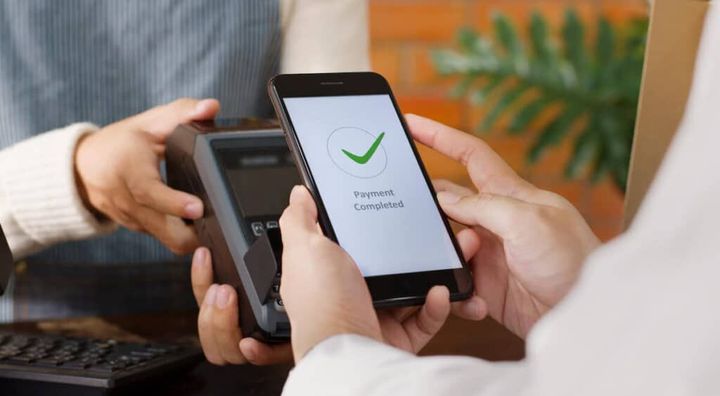
Digital payment wallets are software-based systems designed to store financial information securely and enable electronic transactions. These systems reduce reliance on physical cash by allowing users to complete payments through smartphones, tablets, or computers.


At their core, digital wallets function as secure containers for payment credentials such as bank account details, card information, and digital identifiers. They use encryption and tokenization to protect sensitive data during transactions.

The rise of digital payment wallets is closely linked to the growth of fintech solutions, mobile payment technology, and contactless payment systems. As digital infrastructure expands globally, these wallets have become an important part of everyday financial interactions, supporting online payment processing across various industries.

Importance

Digital payment wallets play a significant role in modern financial ecosystems by simplifying transactions and improving accessibility to financial tools.

They help solve several common challenges:

  • Reducing dependency on physical cash handling
  • Supporting faster transaction processing
  • Enhancing financial inclusion through mobile-based access
  • Improving transaction tracking and record keeping
  • Enabling seamless integration with e-commerce platforms

These systems are widely used by individuals, businesses, and financial institutions. They are especially important in environments where digital banking tools are expanding rapidly and contactless payment systems are becoming standard.

From a security perspective, digital wallets also introduce advanced authentication methods such as biometric verification, multi-factor authentication, and encrypted transaction layers. These features strengthen digital payment security frameworks and reduce fraud risks.Recent Updates

Over the past year, digital payment wallets have continued to evolve with improvements in technology, regulation, and user experience.

Some notable trends include:

  • Increased adoption of biometric authentication methods such as facial recognition and fingerprint scanning
  • Expansion of tokenization standards to improve online payment processing safety
  • Integration with artificial intelligence for fraud detection and transaction monitoring
  • Growth in cross-platform compatibility, allowing smoother synchronization across devices
  • Enhanced support for QR-based contactless payment systems in retail environments

A major development seen in early 2026 is the broader use of real-time payment infrastructure in several regions, enabling near-instant settlement between digital wallets and banking systems. This has improved transaction speed and reduced delays in financial transfers.

Another trend is the growing integration of digital wallets with subscription-based platforms and recurring billing systems, making automated financial management more efficient for users.

Laws or Policies

Digital payment wallets are regulated under financial compliance frameworks designed to ensure security, transparency, and consumer protection.

Common regulatory areas include:

  • Anti-money laundering (AML) compliance requirements
  • Know Your Customer (KYC) verification processes
  • Data protection and privacy regulations
  • Transaction reporting and monitoring standards
  • Cybersecurity guidelines for financial systems

Different countries apply these rules through their financial authorities and central banking institutions. These regulations ensure that digital payment ecosystems remain secure and resistant to financial crime.

In many regions, fintech solutions that operate digital wallets must comply with strict licensing requirements. These rules often include maintaining secure encryption standards, implementing identity verification systems, and conducting regular security audits.

Regulators also encourage interoperability between digital wallets and traditional banking infrastructure, allowing smoother integration of online payment processing across multiple platforms.Tools and Resources

Digital payment wallets are supported by various tools and technologies that enhance usability and security.

Below is an overview of commonly used categories:

CategoryPurposeExample Functionality
Mobile Wallet PlatformsStore digital credentialsQR payments, card storage
Banking ApplicationsFinancial account accessTransfers, balance tracking
Authentication ToolsSecurity verificationBiometrics, OTP systems
Payment GatewaysTransaction processingMerchant integration
Financial Analytics ToolsSpending insightsBudget tracking, reports

Additional useful resources include:

  • Fintech learning platforms covering digital banking tools
  • Cybersecurity awareness portals focusing on e-wallet security
  • Open banking APIs that enable secure financial data exchange
  • Developer documentation for payment integration systems
  • Digital identity verification frameworks

These tools support both users and developers in improving the functionality and reliability of digital payment ecosystems.

FAQs

What is a digital payment wallet?
A digital payment wallet is a technology-based system that stores financial credentials securely and enables electronic transactions without using physical cash.

How does a digital wallet keep transactions secure?
It uses encryption, tokenization, and authentication methods such as biometrics and multi-factor verification to protect financial data during transactions.

Can digital payment wallets work without internet access?
Some systems allow limited offline functionality, but most transactions require internet connectivity for verification and processing.

What technologies support digital payment wallets?
Key technologies include mobile payment technology, cloud computing, encryption protocols, and real-time payment networks.

Are digital wallets linked to banking systems?
Yes, most digital wallets are integrated with banking infrastructure to enable secure transfers, balance updates, and transaction validation.Conclusion

Digital payment wallets represent an important advancement in financial technology, offering a secure and efficient way to manage transactions in a digital environment. Their role continues to expand as mobile payment technology, fintech solutions, and online payment processing systems evolve.

With increasing adoption of contactless payment systems and improved digital payment security frameworks, these wallets are becoming a central part of modern financial ecosystems. Regulatory oversight and technological innovation continue to shape their development, ensuring safer and more efficient financial interactions.

As digital infrastructure continues to advance, digital payment wallets are expected to remain a key component of global financial systems, supporting convenience, security, and accessibility across a wide range of users.


author-image

Harshit Sharma

We are a performance-driven media buying team focused on scaling brands through smart, data-backed advertising strategies

June 04, 2026 . 9 min read