Diesel Generator Rentals Guide: Explore Tips, Insights, Resources and Helpful Information
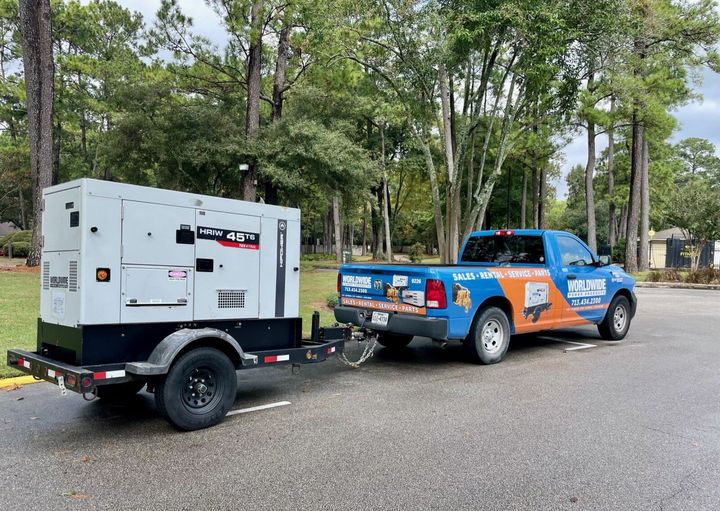
Diesel generator rentals refer to the temporary use of diesel-powered electrical generation equipment for situations where a stable power source is needed. These generators are commonly used across construction projects, infrastructure development, industrial operations, emergency preparedness planning, special events, healthcare facilities, and utility maintenance activities.
Power interruptions can occur for various reasons, including severe weather, grid maintenance, infrastructure upgrades, or unexpected equipment failures. Diesel generators provide an alternative source of electricity that helps maintain operations during such situations.
The concept of generator rentals emerged as industries sought flexible power solutions without the long-term commitment of owning equipment. Over time, advances in fuel efficiency, emissions control technology, and remote monitoring systems have improved the effectiveness of modern diesel generators.
Today, temporary power generation plays an important role in supporting critical infrastructure, commercial facilities, industrial sites, telecommunications networks, and disaster recovery efforts.
Why Diesel Generator Rentals Matter
Reliable access to electricity remains essential for economic activity, public services, and daily operations. Temporary power solutions help organizations manage situations where permanent electrical systems are unavailable or insufficient.
Industries and organizations that frequently depend on temporary power include:
- Construction and engineering projects
- Manufacturing facilities
- Hospitals and healthcare centers
- Data centers and telecommunications providers
- Transportation infrastructure projects
- Utility companies
- Event management organizations
Some common challenges addressed through generator rentals include:
- Planned maintenance shutdowns
- Emergency backup power requirements
- Peak demand management
- Remote location operations
- Seasonal infrastructure projects
- Disaster response activities
The increasing dependence on digital systems and connected technologies has heightened the importance of power continuity. Even brief interruptions can affect communications, operations, and productivity.
Key Benefits and Considerations
| Consideration | Description |
|---|---|
| Flexibility | Equipment can be matched to specific project requirements |
| Scalability | Different generator capacities can support varying power needs |
| Mobility | Units can be transported to temporary locations |
| Emergency Preparedness | Supports business continuity planning |
| Technology Access | Users can access newer equipment models |
| Maintenance Support | Equipment is typically serviced according to operational standards |
Organizations often evaluate generator capacity, fuel consumption, environmental requirements, operational duration, and site conditions when assessing temporary power solutions.
Recent Updates and Industry Trends
The diesel generator sector has experienced several developments during the past year as industries focus on reliability, sustainability, and operational efficiency.
Growth in Remote Monitoring Technologies
Throughout 2025 and early 2026, more generator fleets adopted telematics and remote monitoring systems. These technologies allow operators to monitor fuel levels, engine performance, operating hours, and maintenance indicators through digital dashboards.
Focus on Emissions Compliance
Environmental regulations continue to influence equipment design. Manufacturers have increasingly integrated advanced emissions-control systems that help meet regional environmental standards.
Hybrid Power Solutions
A notable trend observed during 2025 involved combining diesel generators with battery energy storage systems. Hybrid configurations can improve fuel efficiency and reduce operational emissions during certain applications.
Increased Infrastructure Activity
Large-scale infrastructure modernization projects in multiple regions have contributed to continued demand for temporary power equipment. Transportation upgrades, utility maintenance programs, and construction developments often require reliable backup electricity during project execution.
Digital Fleet Management
Fleet operators increasingly use cloud-based platforms for equipment tracking, maintenance scheduling, and performance analytics. These systems help improve operational visibility and resource planning.
Industry Trends Overview
| Trend | Industry Impact |
| Remote Monitoring | Improved operational oversight |
| Hybrid Systems | Enhanced energy efficiency |
| Emissions Technology | Better environmental compliance |
| Predictive Maintenance | Reduced unexpected downtime |
| Digital Fleet Platforms | Improved asset management |
| Smart Sensors | Greater performance visibility |
Diesel Generator Technology Evolution
The evolution of diesel generator technology reflects broader advances in industrial equipment and energy management.
Earlier generators primarily focused on mechanical reliability. Modern systems now incorporate:
- Electronic control modules
- Automated diagnostics
- Fuel optimization technologies
- Remote communication capabilities
- Noise reduction features
- Enhanced emissions controls
These innovations help operators manage equipment performance more effectively while supporting environmental and operational objectives.
Laws, Regulations, and Policy Considerations
Diesel generator operations are influenced by a variety of regulations and policy frameworks. Requirements vary depending on jurisdiction, industry, and application.
Common regulatory areas include:
Environmental Standards
Governments often establish emissions requirements designed to reduce pollutants from diesel-powered equipment. Operators may need to ensure generators meet applicable emissions standards.
Noise Regulations
Many urban and residential areas maintain noise-control requirements. Generator deployment may need to comply with local sound-level limits and operating-hour restrictions.
Fuel Storage Rules
Temporary fuel storage frequently falls under environmental and safety regulations. Proper handling, containment, and monitoring practices are often required.
Workplace Safety Requirements
Occupational safety regulations generally address:
- Equipment operation procedures
- Electrical safety measures
- Fire prevention practices
- Ventilation requirements
- Maintenance standards
Emergency Preparedness Programs
Certain sectors, including healthcare, utilities, and critical infrastructure operators, may be subject to emergency preparedness guidelines that address backup power planning.
Organizations should consult relevant regulatory authorities and industry standards when evaluating temporary power solutions.
Temporary Power Planning Framework
The following simplified framework illustrates common planning considerations.
Power Requirement Assessment
            ↓
Site Evaluation
            ↓
Equipment Selection
            ↓
Compliance Review
            ↓
Installation Planning
            ↓
Operational Monitoring
            ↓
Maintenance Management
This structured approach helps support safe and efficient generator deployment.
Helpful Tools and Resources
Various digital tools and information resources can assist organizations in understanding temporary power requirements and generator operations.
Power Load Calculators
Power load calculators help estimate electrical demand by evaluating connected equipment and expected usage patterns.
Useful functions often include:
- Wattage estimation
- Load balancing calculations
- Capacity planning
- Demand forecasting
Fuel Consumption Estimators
Fuel estimation tools assist in projecting expected diesel usage under different operating conditions.
Typical outputs include:
- Hourly consumption estimates
- Daily fuel projections
- Operational efficiency metrics
Generator Sizing Tools
Sizing calculators help determine appropriate generator capacity based on electrical requirements and operational objectives.
Equipment Monitoring Platforms
Digital monitoring systems may provide:
- Real-time alerts
- Performance analytics
- Maintenance tracking
- Historical reporting
Industry Information Resources
Helpful information sources often include:
- Energy sector publications
- Construction industry associations
- Infrastructure research organizations
- Environmental compliance resources
- Equipment manufacturer technical documentation
Important Evaluation Factors
When researching diesel generator rentals, it is useful to understand several technical considerations:
| Factor | Why It Matters |
| Power Output | Determines electrical capacity |
| Fuel Efficiency | Influences operational performance |
| Runtime Capability | Supports longer operations |
| Noise Levels | Affects site compliance |
| Emissions Rating | Supports regulatory requirements |
| Monitoring Features | Improves visibility and diagnostics |
| Mobility | Important for temporary locations |
Understanding these factors helps improve decision-making and project planning.
Frequently Asked Questions
What is a diesel generator rental?
A diesel generator rental refers to the temporary use of a diesel-powered generator that provides electricity for projects, facilities, events, emergency situations, or maintenance activities where reliable power is required.
How are generator sizes determined?
Generator size is typically determined by evaluating total electrical demand, equipment startup requirements, expected operating conditions, and future capacity needs. Load calculations are commonly used to estimate required capacity.
Why are diesel generators commonly used for temporary power?
Diesel generators are widely used because they are known for durability, operational reliability, fuel efficiency, and suitability for extended operation across a range of environments.
What industries frequently use temporary power solutions?
Construction, healthcare, telecommunications, manufacturing, utilities, transportation, infrastructure development, and emergency response organizations commonly utilize temporary power equipment.
Are environmental regulations important for generator operations?
Yes. Environmental requirements often address emissions, fuel handling, noise levels, and operational standards. Compliance requirements vary by jurisdiction and application.
What technologies are shaping the future of generator fleets?
Key developments include remote monitoring systems, predictive maintenance platforms, smart sensors, digital fleet management software, hybrid energy integration, and advanced emissions-control technologies.
Conclusion
Diesel generator rentals remain an important component of modern temporary power strategies. They support critical operations during maintenance activities, infrastructure projects, emergency situations, and remote deployments where dependable electricity is essential.
Recent developments in telematics, emissions technology, predictive maintenance, and hybrid energy systems continue to shape the industry. At the same time, regulatory compliance, environmental considerations, and operational planning remain important factors for organizations evaluating temporary power options.
By understanding industry trends, technical considerations, regulatory requirements, and available digital resources, readers can develop a stronger understanding of how diesel generator rentals contribute to reliable power management across a wide range of applications.