Cheese Making Machines: Complete Guide to Commercial & Industrial Equipment
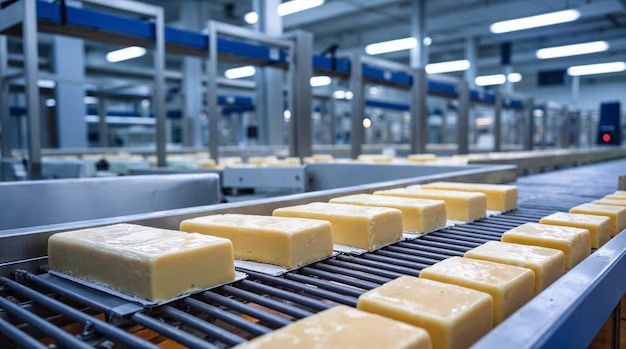
Cheese making machines are specialized pieces of equipment designed to support the production of cheese in commercial and industrial dairy facilities. These machines automate and simplify different stages of cheese manufacturing, including milk preparation, pasteurization, coagulation, curd cutting, whey separation, pressing, molding, and packaging.
Cheese has been produced for thousands of years using traditional techniques. As consumer demand increased and food safety standards became more advanced, dairy producers began adopting automated machinery to improve consistency, hygiene, and production capacity. Modern cheese making equipment helps manufacturers maintain standardized quality while processing larger quantities of milk with greater efficiency.
Today's commercial cheese production relies on integrated systems that combine multiple processing stages into a streamlined workflow. These systems support the production of various cheese varieties, including hard, semi-hard, soft, fresh, and processed cheese.
Main Types of Cheese Making Machines
| Equipment Type | Primary Function | Common Application |
|---|---|---|
| Milk Storage Tanks | Store raw or processed milk | Dairy facilities |
| Pasteurization Systems | Heat treatment for food safety | Commercial processing |
| Cheese Vats | Milk coagulation and curd formation | Cheese production |
| Curd Cutters | Uniform curd cutting | Quality consistency |
| Whey Separation Equipment | Remove whey efficiently | Industrial processing |
| Cheese Presses | Shape and compress cheese | Hard cheese production |
| Molding Systems | Form cheese into desired shapes | Multiple cheese varieties |
| Packaging Machines | Hygienic packaging | Final production stage |
Typical Cheese Production Process
Milk Collection
        │
        ▼
Milk Storage
        │
        ▼
Pasteurization
        │
        ▼
Starter Culture Addition
        │
        ▼
Coagulation
        │
        ▼
Curd Cutting
        │
        ▼
Whey Separation
        │
        ▼
Pressing & Molding
        │
        ▼
Aging (when required)
        │
        ▼
Packaging
Why Cheese Making Machines Matter Today
The dairy industry continues to evolve as consumer demand for consistent quality, food safety, and efficient production grows worldwide. Cheese making machines play an important role in helping dairy processors maintain reliable manufacturing standards while reducing manual handling.
Modern equipment contributes to improved production accuracy by controlling processing temperatures, mixing speeds, cutting precision, and sanitation procedures. Automated monitoring systems also help reduce variation between production batches.
Several groups benefit from advancements in cheese making technology:
- Dairy manufacturers
- Food processing industries
- Agricultural cooperatives
- Milk processing facilities
- Food technology professionals
- Quality assurance teams
- Dairy researchers
- Educational institutions
These machines help address several industry challenges, including:
- Maintaining consistent cheese quality
- Improving food safety practices
- Reducing processing errors
- Supporting higher production volumes
- Better hygiene management
- Efficient use of milk and raw materials
- Standardized manufacturing processes
- Improved traceability during production
Automation also enables producers to monitor production parameters digitally, allowing quicker adjustments whenever necessary.
Recent Updates in Cheese Making Technology
The cheese manufacturing industry has experienced several technological developments during the past year as dairy processors continue investing in smarter production systems.
Greater Automation During 2025–2026
Throughout 2025 and into 2026, manufacturers have increasingly integrated automated control systems that monitor temperature, mixing time, moisture levels, and production efficiency. These systems reduce manual intervention while supporting consistent product quality.
Digital Monitoring Systems
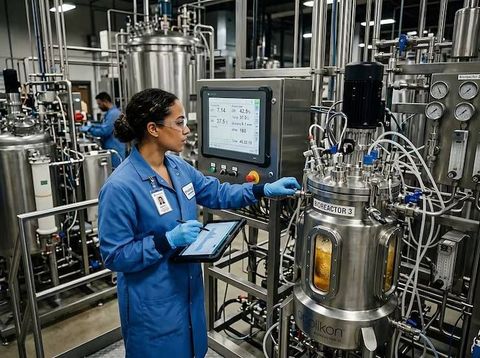
Many production facilities are adopting digital dashboards that collect operational data from multiple machines simultaneously. Operators can monitor production performance, maintenance schedules, and equipment status through centralized control systems.
Improved Energy Efficiency
Recent equipment designs place greater emphasis on reducing electricity and water consumption. Energy-efficient motors, insulated processing tanks, and optimized heating systems help improve sustainability without affecting production quality.
Hygienic Equipment Design
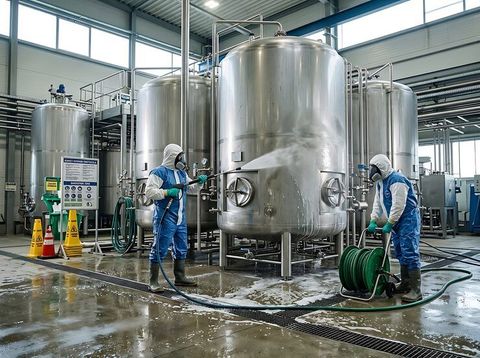
Manufacturers continue improving sanitary engineering by developing equipment with smoother surfaces, fewer joints, and enhanced clean-in-place (CIP) systems. These improvements simplify cleaning procedures while supporting food safety requirements.
Data-Driven Manufacturing
Production data analytics has become increasingly valuable during 2025–2026. Dairy processors use collected data to monitor equipment performance, identify production trends, reduce downtime, and improve operational planning.
Industry Trend Overview
| Trend | Industry Impact |
|---|---|
| Smart Automation | Improved production consistency |
| Digital Monitoring | Better operational visibility |
| Energy Efficiency | Reduced resource consumption |
| Hygienic Engineering | Enhanced food safety |
| Data Analytics | Better production decisions |
| Sustainable Manufacturing | Environmental improvements |
Laws and Policies Affecting Cheese Making Equipment
Commercial cheese production is subject to food safety regulations that vary between countries. Although specific legal requirements differ, several common regulatory principles apply across many dairy-producing regions.
Food Safety Standards
Governments generally require dairy processing facilities to follow food safety management systems that focus on preventing contamination throughout production.
These standards commonly include:
- Equipment sanitation
- Temperature monitoring
- Hygiene procedures
- Record keeping
- Product traceability
- Risk management
Dairy Processing Regulations
Many countries regulate:
- Milk quality standards
- Pasteurization requirements
- Facility cleanliness
- Equipment maintenance
- Product labeling
- Storage conditions
Environmental Considerations
Modern dairy facilities may also follow environmental regulations concerning:
- Wastewater treatment
- Energy efficiency
- Water conservation
- Waste management
- Emission reduction
Worker Safety
Industrial equipment must often comply with workplace safety requirements that encourage:
- Safe machine operation
- Emergency shutdown systems
- Protective equipment
- Staff training
- Maintenance documentation
Because regulations differ between countries, dairy processors generally follow guidance issued by their national food safety and agricultural authorities.
Helpful Tools and Resources
Several practical resources can help professionals understand cheese manufacturing and production planning.
Production Planning Tools
Useful planning resources include:
- Production scheduling templates
- Batch planning worksheets
- Capacity planning calculators
- Inventory management templates
Quality Monitoring Resources
Common quality resources include:
- Temperature recording logs
- Cleaning checklists
- Equipment inspection forms
- Production tracking sheets
- Maintenance schedules
Learning Resources
Professionals often benefit from:
- Dairy processing manuals
- Food safety training materials
- Manufacturing process diagrams
- Equipment operation guides
- Technical publications
Digital Monitoring Tools
Modern facilities frequently use:
- Production dashboards
- Maintenance tracking software
- Quality control reporting systems
- Inventory management platforms
- Digital documentation systems
Equipment Performance Checklist
| Monitoring Area | Purpose |
|---|---|
| Temperature | Product consistency |
| Pressure | Stable operation |
| Mixing Speed | Uniform processing |
| Cleaning Records | Hygiene verification |
| Maintenance Schedule | Equipment reliability |
| Production Data | Performance analysis |
Frequently Asked Questions
What are cheese making machines used for?
Cheese making machines assist with different stages of cheese production, including milk preparation, coagulation, curd cutting, whey separation, pressing, molding, aging support, and packaging. They help improve consistency and operational efficiency.
Can one machine produce different types of cheese?
Some commercial systems are designed with adjustable processing settings that support multiple cheese varieties. However, certain specialty cheeses may require dedicated equipment or customized production methods.
Why is automation becoming more common in cheese manufacturing?
Automation improves production consistency, enhances food safety monitoring, reduces manual handling, supports accurate process control, and simplifies production management.
How important is equipment cleaning?
Cleaning is one of the most important aspects of cheese manufacturing. Proper sanitation helps maintain product quality, supports food safety requirements, and reduces contamination risks.
What skills are useful for operating cheese making equipment?
Operators typically benefit from knowledge of dairy processing, food safety principles, equipment monitoring, quality control procedures, preventive maintenance, and production documentation.
Conclusion
Cheese making machines have become an essential part of modern commercial and industrial dairy production. By combining automation, hygienic engineering, digital monitoring, and efficient processing methods, these systems help manufacturers produce consistent cheese while supporting food safety and operational reliability.