Bioreactor Reviews And Comparison With Industrial Research Knowledge
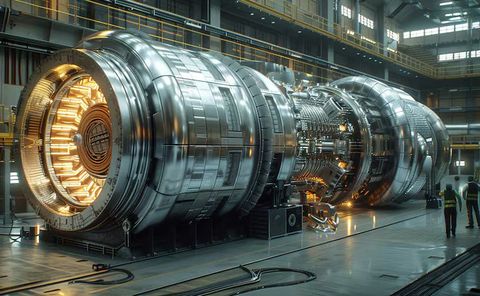
Bioreactors are specialized systems used to support biological and biochemical processes under controlled environmental conditions. These systems are commonly used in biotechnology, pharmaceutical manufacturing, food processing, agriculture, environmental research, and industrial fermentation operations. A bioreactor typically provides controlled temperature, oxygen levels, nutrient distribution, pressure, and mixing conditions to help microorganisms, cells, or biological materials grow efficiently. Depending on the application, bioreactors may range from small laboratory-scale research units to large industrial production systems handling significant manufacturing volumes.
This comparison matters globally because biotechnology and industrial research sectors continue expanding rapidly across healthcare, food science, environmental engineering, and sustainable manufacturing industries. According to global biotechnology research, demand for scalable production systems has increased alongside interest in vaccines, biologic medicines, cultured food technologies, renewable materials, and industrial enzyme production. As industrial processes become more advanced and automation-focused, organizations increasingly evaluate bioreactor systems based on efficiency, scalability, contamination control, and process monitoring capabilities.
The real-world impact of bioreactor technology extends far beyond research laboratories. Bioreactors support the production of medicines, fermentation products, wastewater treatment systems, and biological research materials that influence healthcare, agriculture, and manufacturing operations worldwide. Poorly selected systems may lead to contamination risks, inconsistent product quality, or operational inefficiency, while properly designed bioreactors may improve production reliability and research accuracy. Understanding the differences between bioreactor systems helps organizations make more informed operational and scientific decisions, which naturally leads into who these technologies affect and the common problems they are designed to solve.
Who It Affects & Problems It Solves
Bioreactor systems affect a broad range of industries and professionals globally. Pharmaceutical manufacturers often rely on bioreactors to produce vaccines, antibodies, and biologic therapies under highly controlled conditions. Food and beverage industries may use fermentation systems for products involving yeast, probiotics, enzymes, or cultured ingredients. Environmental engineering operations frequently use bioreactors for wastewater treatment and biological waste management. Academic researchers, biotechnology startups, agricultural scientists, and industrial microbiology laboratories also depend on bioreactor technology to support experimental studies and scalable production systems.
Without reliable bioreactor systems, many biological manufacturing and research processes worldwide would struggle with contamination, unstable growth conditions, and inconsistent production outcomes. Bioreactors help solve these problems by creating controlled environments that support efficient biological activity and process stability. Certain systems prioritize oxygen transfer and rapid mixing, while others focus on sterile operation, precise temperature regulation, or gentle handling of sensitive cell cultures. These features allow industries to improve product consistency while reducing operational interruptions and research variability.
A common mistake organizations make is selecting bioreactor systems based only on production size without evaluating process requirements such as oxygen demand, shear sensitivity, scalability, or automation compatibility. For example, a system suitable for microbial fermentation may not perform effectively for delicate mammalian cell cultures requiring lower mechanical stress. Another issue involves insufficient monitoring and sterilization procedures, which may increase contamination risks and reduce production reliability. As biotechnology and industrial research continue evolving, manufacturers are investing more heavily in automation, sensor integration, and scalable bioprocess systems, which connects naturally to recent developments shaping the bioreactor industry worldwide.
Recent Updates
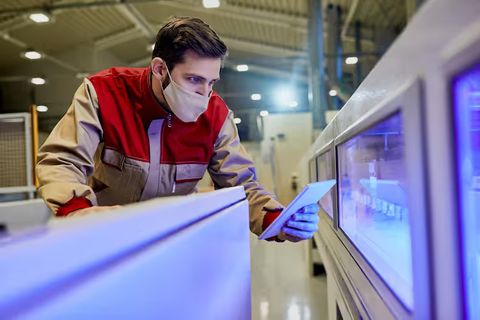
Over the past year, biotechnology and industrial research sectors globally have increased focus on automation and digital monitoring within bioreactor systems. Advanced sensor technologies are becoming more common in both research-scale and industrial-scale operations because organizations require more accurate control over oxygen levels, nutrient balance, pH stability, and temperature management. These technologies help improve process consistency while reducing manual intervention and operational variability.
In early 2025, modular and single-use bioreactor systems gained additional attention across pharmaceutical and biotechnology industries. Single-use systems are increasingly valued because they may reduce cleaning requirements, shorten production changeover times, and lower contamination risks in certain manufacturing environments. Modular bioprocess systems are also becoming more popular because they allow facilities to scale production more flexibly without redesigning entire manufacturing infrastructures.
Another important development involves sustainability and resource efficiency within industrial biotechnology operations. Manufacturers and research organizations are evaluating energy consumption, water usage, and waste reduction strategies more carefully as environmental awareness grows internationally. Some bioreactor systems are now designed with more efficient mixing technologies and optimized energy management features to support long-term operational sustainability.
At the same time, artificial intelligence and predictive analytics are becoming more integrated with bioprocess management systems. Advanced software platforms can now help operators monitor production trends, identify process deviations earlier, and improve maintenance planning through predictive analysis. These ongoing developments make it easier to compare different bioreactor technologies and understand how various systems support modern industrial research and biotechnology applications.
Comparison Table
The table below compares several common bioreactor types and their operational characteristics. These comparison factors matter globally because different industries and research environments require different balances of scalability, sterility, automation, and biological compatibility.
| Bioreactor Type | Main Application | Key Advantage | Limitation | Typical Scale |
|---|---|---|---|---|
| Stirred Tank Bioreactor | General fermentation | Strong mixing efficiency | Higher shear stress | Small to very large |
| Airlift Bioreactor | Sensitive cell cultures | Lower energy use | Reduced mixing intensity | Medium to large |
| Packed Bed Bioreactor | Immobilized cell processes | High cell density support | Cleaning complexity | Small to medium |
| Fluidized Bed Bioreactor | Wastewater treatment | Good mass transfer | Operational complexity | Medium to large |
| Single-Use Bioreactor | Pharmaceutical production | Reduced contamination risk | Disposable material cost | Small to medium |
| Photobioreactor | Algae cultivation | Controlled light exposure | High setup complexity | Small to medium |
| Bubble Column Bioreactor | Gas-liquid reactions | Simple design | Limited process control | Medium to large |
| Membrane Bioreactor | Water treatment systems | High filtration efficiency | Membrane maintenance | Medium to very large |
| Perfusion Bioreactor | Continuous cell culture | Stable nutrient supply | Advanced monitoring needs | Medium to large |
| Fixed Bed Bioreactor | Enzyme processing | Stable immobilization | Limited flexibility | Small to medium |
The comparison table shows that bioreactor systems vary significantly depending on process goals, biological materials, and production requirements. Some systems focus on scalability and mixing efficiency, while others prioritize sterility, low shear stress, or continuous operation. Understanding these differences creates an important transition into regulations and practical operational guidance.
Regulations & Practical Guidance
In most countries, industrial bioreactor systems are regulated under broader manufacturing safety, biotechnology quality, and environmental management standards. Regulatory authorities globally generally require facilities using bioreactors to follow operational guidelines related to sterility, contamination control, equipment validation, and process monitoring. Industries producing pharmaceuticals, food products, or biologic materials often operate under especially strict quality assurance and documentation procedures.
International biotechnology standards also commonly require facilities to maintain controlled production environments, proper cleaning procedures, and reliable process monitoring systems. Most jurisdictions have operational rules regarding biological waste management, worker safety, and equipment maintenance because poorly managed bioprocess systems may create contamination risks or environmental concerns. Research laboratories and industrial facilities are generally expected to follow validated operating protocols to support product consistency and safety.
Another important practical consideration involves selecting the correct bioreactor design for the intended biological process. Engineers and biotechnology specialists globally emphasize evaluating factors such as oxygen transfer, nutrient distribution, cell sensitivity, scalability, and automation compatibility before choosing a system. Proper maintenance and sterilization planning are also essential because even advanced bioreactors may perform poorly if contamination control practices are inadequate.
Which Option Suits Your Situation?
A pharmaceutical research laboratory working with sensitive cell cultures may benefit most from single-use or airlift bioreactor systems. These designs are commonly selected because they help reduce contamination risks while supporting gentler biological handling conditions.
A wastewater treatment operation may prefer membrane or fluidized bed bioreactors because these systems are often optimized for filtration efficiency and biological waste processing under continuous operating conditions.
A biotechnology startup scaling fermentation-based production may benefit from stirred tank bioreactors because these systems are widely used for scalable industrial fermentation and process flexibility across multiple applications.
An algae production or renewable materials project may require photobioreactors designed specifically for light-sensitive biological cultivation processes. These systems are commonly used where controlled light exposure is important for productivity and biological stability. These operational considerations naturally connect to the tools and biotechnology resources available for bioprocess planning and research management today.
Tools & Resources
Several globally accessible biotechnology and industrial research resources can help professionals better understand bioreactor systems, bioprocess management, and industrial biotechnology operations.
BioProcess International Resources — provide educational information related to bioreactor technologies, fermentation systems, and industrial biotechnology trends.
Engineering Toolbox — offers technical references related to fluid dynamics, heat transfer, and industrial process engineering concepts.
Biotechnology Innovation Organization Materials — explain biotechnology production concepts and industrial research developments.
Computational Fluid Dynamics Software — helps engineers simulate mixing patterns and flow behavior inside bioreactor systems.
Laboratory Information Management Systems — support process documentation, research organization, and production data management.
Industrial Automation Platforms — assist facilities with sensor integration, process monitoring, and predictive maintenance planning.
Bioprocess Safety Training Resources — provide educational guidance related to contamination control, sterilization procedures, and biotechnology safety practices.
These resources support stronger operational planning and informed scientific decision-making, which naturally leads into the most common questions people ask about bioreactor systems and industrial biotechnology processes.
Frequently Asked Questions
What is a bioreactor used for?
A bioreactor is used to support biological or biochemical processes under controlled environmental conditions. These systems are commonly used in biotechnology, pharmaceutical manufacturing, wastewater treatment, food production, and scientific research where controlled growth or fermentation processes are required.
Who benefits most from bioreactor technology?
Industries involved in biotechnology, healthcare, food science, environmental engineering, and industrial fermentation often benefit significantly from bioreactor systems. Research laboratories, pharmaceutical manufacturers, and industrial production facilities commonly rely on bioreactors to improve process consistency, scalability, and biological control.
Are bioreactor systems regulated internationally?
In many regions globally, bioreactor operations are regulated under manufacturing quality, biotechnology safety, and environmental management standards. Facilities are generally expected to follow operational guidelines related to sterility, contamination control, process monitoring, and worker safety depending on the type of biological production involved.
Are all bioreactors suitable for every biological process?
A common misconception is that any bioreactor can handle all biological production needs. In reality, different systems are designed for different applications based on factors such as oxygen transfer, mixing intensity, shear sensitivity, and scalability. Selecting the correct bioreactor design is important for maintaining process stability and biological performance.
When should an organization upgrade its bioreactor system?
Organizations may consider upgrading bioreactor systems when production demand increases, contamination risks become more difficult to manage, or existing equipment lacks sufficient monitoring and automation capabilities. Modern systems may also improve energy efficiency, process consistency, and scalability for expanding biotechnology operations.
Conclusion
Bioreactor systems play a critical role in modern biotechnology and industrial research because they support controlled biological processes across healthcare, manufacturing, food science, and environmental industries. The most important takeaway is that different bioreactor designs are optimized for different operational priorities, including sterility, scalability, energy efficiency, and biological compatibility. Proper system selection and maintenance help improve production consistency, research reliability, and operational safety.
For most organizations, the best approach involves evaluating biological process requirements, scalability goals, contamination risks, and automation needs before selecting a bioreactor system. Facilities that prioritize process monitoring, sterilization planning, and operational flexibility generally experience stronger long-term performance and more reliable production outcomes.
As biotechnology and industrial research continue evolving globally, future bioreactor systems will likely become even more automated, energy-efficient, and integrated with advanced predictive monitoring and digital process management technologies.