Water Treatment Equipment: Complete Guide to Modern Systems
Water treatment equipment helps remove unwanted particles, chemicals, microorganisms, and dissolved substances from water for safer and more controlled use.
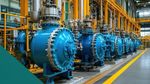
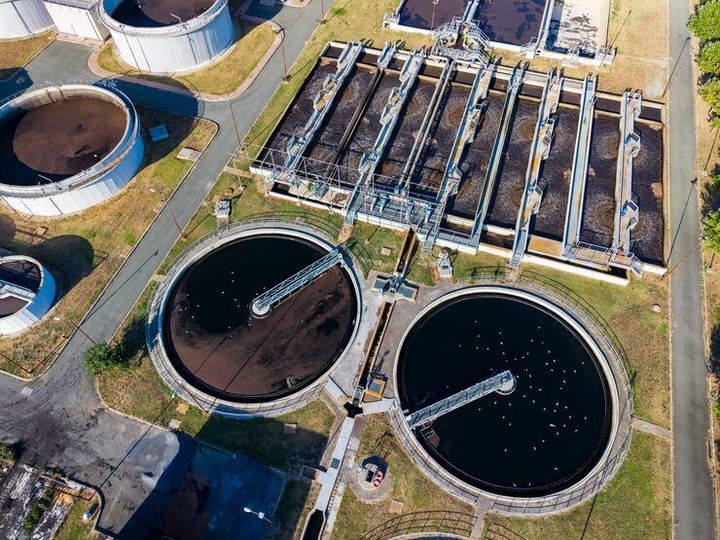
Water treatment equipment refers to the machines and systems used to improve water quality for drinking water, industrial processes, wastewater management, and reuse. Water can contain suspended solids, minerals, organic compounds, microorganisms, or chemical contaminants that require different treatment methods.
Modern water treatment systems often combine several stages rather than relying on one device. Common technologies include sediment filters, activated carbon systems, membrane filtration, ultraviolet treatment, ozone systems, water softeners, and reverse osmosis.
The correct combination depends on the water source, contaminant profile, required quality, flow rate, and intended application. This makes water purification systems, industrial water treatment equipment, and membrane filtration systems important parts of modern water infrastructure.
Importance
Reliable water treatment affects households, municipalities, factories, laboratories, agriculture, and commercial facilities. Poorly treated water can create operational problems, damage equipment, affect manufacturing processes, and increase environmental pressure.
Different technologies target different water-quality issues:
- Screening and sediment filtration: Removes larger particles and suspended matter.
- Activated carbon filtration: Helps reduce certain organic compounds, tastes, and odors.
- Water softening: Reduces hardness-producing calcium and magnesium.
- Ultrafiltration: Uses membranes to separate many suspended solids and microorganisms.
- Reverse osmosis: Reduces many dissolved salts and other contaminants.
- Ultraviolet disinfection: Uses UV energy to inactivate microorganisms.
A useful treatment train may therefore combine physical separation, chemical treatment, membrane technology, and disinfection.
| Equipment Type | Main Function | Typical Application |
|---|---|---|
| Sediment Filter | Particle removal | Pretreatment |
| Activated Carbon | Organic compound reduction | Drinking and process water |
| Ultrafiltration | Fine membrane separation | Water clarification |
| Reverse Osmosis | Dissolved contaminant reduction | High-purity water |
| UV System | Microorganism inactivation | Disinfection |
Recent Updates
Water-quality regulation and monitoring have remained active in the United States during 2026. On April 2, 2026, the U.S. Environmental Protection Agency announced a draft Contaminant Candidate List 6, covering 75 chemicals, four chemical groups, and nine microbes for further evaluation.
PFAS regulation has also continued to evolve. On May 18, 2026, EPA announced proposed changes concerning PFOA and PFOS implementation, including a possible additional two years for some systems to meet enforceable limits, while also proposing changes involving several other PFAS substances.
Lead-related requirements are another important development. EPA released additional implementation guidance on August 21, 2026, supporting water systems in addressing lead pipe replacement requirements under the Lead and Copper Rule Improvements.
These developments increase the importance of accurate testing, contaminant monitoring, treatment selection, and regulatory planning.
Laws or Policies
In the United States, drinking water regulation is primarily shaped by the Safe Drinking Water Act (SDWA) and EPA national drinking water regulations. Public water systems may need monitoring, treatment, reporting, and public notification measures depending on applicable requirements.
The Lead and Copper Rule Improvements (LCRI) requires public water systems to take stronger actions related to lead exposure and lead service lines. EPA also continues developing implementation tools and guidance for water systems.
Water treatment equipment should therefore be selected according to applicable federal, state, and local requirements rather than relying only on general equipment specifications.
Tools and Resources
Useful resources for understanding water treatment include:
- Water-quality testing kits and laboratory analysis methods
- Flow-rate and membrane-sizing calculators
- pH, turbidity, conductivity, and total dissolved solids meters
- Treatment-system performance checklists
- Water-quality sampling templates
- Contaminant monitoring databases
- Government drinking-water regulations and technical guidance
- Equipment maintenance and inspection records
These resources help users compare treatment objectives with actual water-quality data.
FAQs
What is water treatment equipment?
It is a group of machines and technologies designed to remove, reduce, or control unwanted substances in water.
What equipment is commonly used for drinking water?
Common systems include sediment filtration, activated carbon, membrane filtration, and disinfection technologies such as UV treatment.
What does reverse osmosis do?
Reverse osmosis uses a semipermeable membrane and pressure to reduce many dissolved salts, minerals, and other contaminants from water.
Is one treatment method enough?
Not always. Water chemistry and treatment objectives vary, so multiple stages may be combined to address different contaminants.
Why is water testing important?
Testing identifies the substances present in water and helps determine which treatment approach is technically appropriate.
Conclusion
Water treatment equipment is a critical part of modern water management. Filtration, membrane technology, disinfection, and monitoring systems each address different water-quality challenges. Recent U.S. regulatory developments involving PFAS, lead, and emerging contaminants also show why treatment decisions increasingly depend on accurate testing and regulatory awareness. A practical approach begins with understanding the water source, identifying contaminants, defining the required quality, and selecting appropriate treatment stages.
Disclaimer:
This article provides general educational information about water treatment equipment and U.S. regulatory developments. Requirements can vary by location, water source, application, and system type. Regulatory decisions and implementation timelines may change, so current government guidance should be reviewed before technical or compliance decisions.