Warehouse Automation Systems Explained: Smart Technologies, Robotics & Logistics Applications
Modern warehouses are no longer just large storage facilities filled with shelves and inventory. Today, they are becoming highly intelligent operational hubs powered by automation, robotics, and advanced digital technologies.
As global commerce continues to grow, businesses face increasing pressure to improve speed, accuracy, and efficiency. Warehouse automation systems help meet these demands by streamlining inventory management, order processing, and material movement.
From robotic picking systems to automated storage solutions, automation is transforming the logistics industry. In this guide, we'll explore warehouse automation systems, the technologies behind them, and their growing role in modern supply chain operations.
What Are Warehouse Automation Systems?
Warehouse automation systems are technologies designed to automate tasks traditionally performed by workers within storage and distribution facilities. These systems use software, robotics, sensors, and intelligent equipment to improve operational efficiency.
Rather than relying entirely on manual processes, automated warehouses use technology to manage inventory, transport materials, and fulfill orders with greater speed and accuracy.
The primary goals of warehouse automation include:
- Improving operational efficiency
- Increasing inventory accuracy
- Reducing processing delays
- Enhancing supply chain performance
As technology advances, automation systems are becoming more accessible across various industries and warehouse sizes.
Why Warehouse Automation Is Growing
Consumer expectations have changed significantly in recent years. Faster deliveries, real-time inventory visibility, and efficient order fulfillment have become standard requirements.
Traditional warehouse operations often struggle to keep pace with these expectations. Automation helps bridge this gap by improving productivity and reducing bottlenecks.
Several factors are driving adoption:
- Growth of e-commerce operations
- Increasing order volumes
- Need for greater accuracy
- Demand for faster distribution
For example, a distribution center processing thousands of orders daily can use automation to manage inventory movement more efficiently than manual systems alone.
Core Components of Warehouse Automation
A modern automated warehouse combines multiple technologies that work together to create a connected operational environment.
Warehouse Management Software
Warehouse management systems act as the central control platform.
These solutions help manage:
- Inventory tracking
- Order processing
- Storage optimization
- Shipment coordination
The software provides real-time visibility into warehouse operations and supports data-driven decision-making.
Automated Storage Systems
Automated storage solutions help maximize available space while improving inventory accessibility.
These systems can automatically retrieve and store products without requiring extensive manual handling.
Material Handling Equipment
Automated conveyors, lifts, and transport systems move products throughout the warehouse.
This reduces delays and helps maintain a continuous operational flow.
Sensors and Tracking Technologies
Modern warehouses use sensors and tracking systems to monitor inventory and equipment activity.
These technologies improve visibility and help reduce operational errors.
Role of Robotics in Warehouse Operations
Robotics has become one of the most recognizable aspects of warehouse automation.
Robots are increasingly used to perform repetitive and time-sensitive tasks with high levels of accuracy.
Picking and Sorting Robots
These robots identify, pick, and sort products for order fulfillment.
Their ability to operate continuously helps improve productivity during peak demand periods.
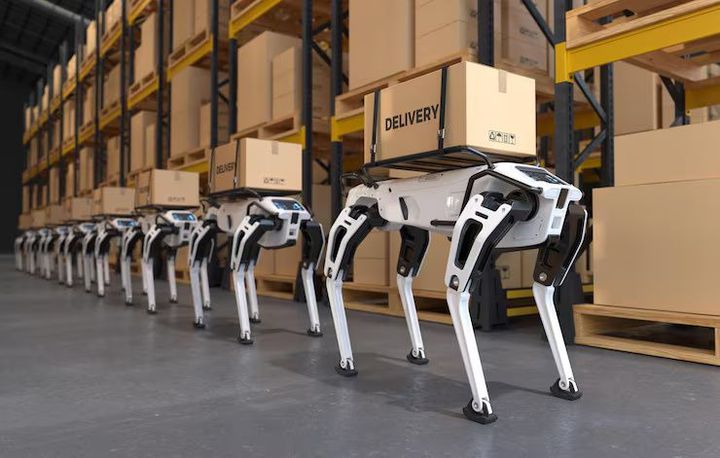
Mobile Warehouse Robots
Autonomous mobile robots move products between different warehouse zones.
Instead of workers traveling long distances, robots transport inventory where it is needed.
Palletizing Systems
Robotic palletizing systems organize products onto pallets for storage or shipment.
This improves consistency while reducing manual handling requirements.
Inspection Robots
Some facilities use robotic systems to monitor inventory conditions and verify stock locations.
These systems contribute to better inventory accuracy and operational efficiency.
Smart Technologies Driving Automation
Warehouse automation relies on several advanced technologies that improve coordination and decision-making.
Artificial Intelligence
Artificial intelligence helps analyze operational data and identify opportunities for improvement.
AI-powered systems can support:
- Inventory forecasting
- Demand planning
- Route optimization
- Process improvements
As warehouses become more data-driven, AI continues to play a larger role in operational management.
Internet of Things (IoT)
IoT technology connects equipment, sensors, and software platforms throughout the warehouse.
This connectivity allows real-time monitoring and faster responses to changing conditions.
Machine Vision Systems
Machine vision technology enables automated equipment to identify products, read labels, and verify package information.
This improves accuracy during sorting and order fulfillment processes.
Cloud-Based Platforms
Cloud technologies support centralized data management and remote operational monitoring.
Managers can access performance information from virtually anywhere, helping improve visibility and decision-making.
Logistics Applications of Warehouse Automation
Warehouse automation supports a wide range of logistics activities across the supply chain.
Inventory Management
Automation improves inventory visibility and reduces stock discrepancies.
Real-time tracking helps maintain accurate inventory records and supports better planning.
Order Fulfillment
Automated systems help process customer orders more efficiently.
Products can be located, picked, packed, and prepared for shipment with minimal delays.
Distribution Operations
Distribution centers use automation to coordinate incoming and outgoing shipments.
This helps improve transportation efficiency and reduce processing times.
Reverse Logistics
Automation can also support product returns by streamlining inspection, sorting, and inventory updates.
This improves operational consistency and customer satisfaction.
Benefits of Warehouse Automation Systems
Organizations implement warehouse automation for many reasons, but the benefits typically extend throughout the entire supply chain.
Improved Efficiency
Automated systems perform repetitive tasks quickly and consistently.
This helps increase throughput and reduce operational bottlenecks.
Greater Accuracy
Automation minimizes many of the errors associated with manual processes.
Improved accuracy contributes to better inventory management and customer satisfaction.
Enhanced Scalability
As business demands grow, automated systems can support increased operational volumes more effectively.
This flexibility helps organizations adapt to changing market conditions.
Better Data Visibility
Connected systems provide valuable operational insights that support continuous improvement.
Managers can identify inefficiencies and optimize warehouse performance using real-time information.
Challenges of Warehouse Automation
While automation provides significant advantages, implementation requires careful planning.
One challenge is integrating new technologies with existing infrastructure. Older systems may require upgrades before automation can be fully implemented.
Another consideration is system complexity. Automated environments often involve multiple technologies working together, requiring effective coordination and maintenance.
Organizations must also ensure that employees understand how to work alongside automated systems to maximize operational benefits.
Emerging Trends in Warehouse Automation
Warehouse technology continues to evolve rapidly as businesses seek greater efficiency and flexibility.
Key Trends Shaping the Industry
- AI-driven operational optimization
- Advanced autonomous mobile robots
- Predictive maintenance technologies
- Smart inventory management systems
These innovations are helping warehouses become more responsive, efficient, and data-driven.
As automation capabilities expand, warehouses are increasingly evolving into intelligent logistics centers.
Future of Automated Warehousing
The future of warehouse operations will likely involve even greater connectivity and automation.
Emerging technologies will continue improving inventory visibility, operational efficiency, and supply chain coordination. Facilities will become smarter, more adaptive, and capable of responding to changing demand patterns in real time.
Organizations that embrace these technologies can position themselves for stronger operational performance and improved logistics capabilities.
Conclusion
Warehouse automation systems are transforming modern logistics by combining smart technologies, robotics, and advanced software solutions. These systems help improve inventory management, streamline order fulfillment, and enhance overall operational efficiency.
From automated storage systems to intelligent robotics, automation is reshaping how warehouses operate in today's fast-moving supply chains. As technology continues to advance, warehouse automation will remain a key driver of productivity, accuracy, and innovation across the logistics industry.