UV Flatbed Printers Knowledge for Advanced Printing Workflow
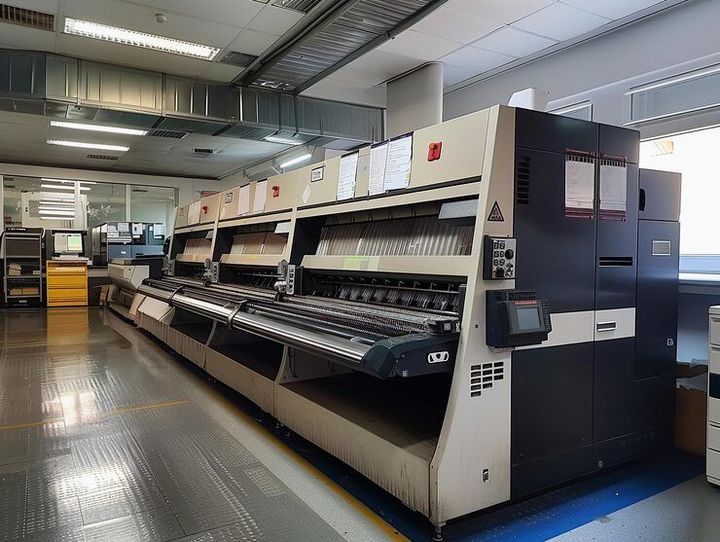
UV flatbed printers are advanced digital printing systems designed to print directly onto a wide variety of flat and rigid materials. Unlike traditional printing methods that often require transfer media or specialized preparation processes, UV flatbed printers apply ultraviolet-curable inks directly onto the surface of an object and instantly cure the ink using ultraviolet light.
These printers have become an important part of modern printing technology because they can produce high-resolution images, text, and graphics on materials such as glass, wood, acrylic, metal, plastic, ceramic, foam board, and composite panels. Their versatility makes them useful across manufacturing, packaging, signage, decoration, industrial marking, and customized production environments.
Understanding How UV Flatbed Printers Work
UV flatbed printers operate through a combination of digital print heads, specialized UV inks, and ultraviolet curing lamps.
The process begins when a digital design is sent to the printer. The substrate is positioned on a flat printing bed. Print heads then deposit microscopic droplets of UV ink directly onto the material. Immediately after application, UV lamps expose the ink to ultraviolet light, causing it to cure and harden almost instantly.
This instant-curing process allows printing on materials that may not absorb conventional inks. It also reduces drying time and enables efficient production workflows.
Key Components of UV Flatbed Printers
Print Heads
Deposit ink onto the substrate
Determine print precision and resolution
Support detailed graphics and fine text
UV Curing System
Uses ultraviolet light to cure inks
Enables immediate handling of printed materials
Improves durability and adhesion
Flatbed Platform
Holds materials securely during printing
Supports rigid and heavy substrates
Helps maintain printing accuracy
Ink Delivery System
Supplies UV-curable inks
Controls droplet size and consistency
Supports multiple color configurations
Control Software
Manages printing operations
Processes digital artwork
Optimizes print quality and productivity
Major Types of UV Flatbed Printers
Different printing environments require different machine configurations.
| Type | Typical Application | Characteristics |
|---|---|---|
| Entry-Level UV Flatbed Printers | Small production environments | Compact footprint and moderate output |
| Industrial UV Flatbed Printers | Manufacturing and large-scale production | High speed and extended operating capability |
| Hybrid UV Printers | Flexible and rigid media printing | Combines roll-to-roll and flatbed functions |
| Large-Format UV Printers | Signage and display graphics | Supports oversized materials |
| Specialty UV Printers | Customized industrial applications | Designed for unique substrates and workflows |
Why UV Flatbed Printers Are Important
Modern industries increasingly require direct-to-surface printing solutions that support customization, efficiency, and material flexibility.
UV flatbed printers address several challenges commonly associated with traditional printing processes:
Eliminate lengthy drying periods
Support diverse materials
Reduce production bottlenecks
Enable short-run customization
Improve print durability
Support detailed graphics and branding
As manufacturing and customization demands continue to grow, these systems provide a practical solution for producing high-quality printed products efficiently.
Common Applications of UV Flatbed Printers
UV flatbed printers are used in a wide range of industries.
Signage and Display Production
Indoor signs
Outdoor graphics
Retail displays
Exhibition materials
Industrial Manufacturing
Product identification
Equipment labeling
Component marking
Control panel graphics
Packaging and Prototyping
Packaging mockups
Sample production
Brand visualization
Product development projects
Interior Decoration
Decorative wall panels
Customized furniture graphics
Glass decoration
Architectural elements
Promotional Products
Personalized gifts
Corporate branding materials
Customized merchandise
Event products
Advantages of UV Flatbed Printing Technology
Several benefits have contributed to the widespread adoption of UV flatbed printers.
Material Compatibility
These systems can print on numerous substrates without requiring extensive preparation.
Fast Production
Instant curing allows printed products to move directly to finishing or handling stages.
High Print Quality
Modern print heads produce sharp images, smooth gradients, and accurate color reproduction.
Durability
UV-cured inks typically provide strong resistance to fading, scratching, and environmental exposure.
Customization Capability
Variable designs can be printed efficiently, making short-run production more practical.
Reduced Waste
Digital workflows often minimize setup materials and reduce unnecessary production waste.
Industries Benefiting from UV Flatbed Printers
Numerous sectors integrate UV printing technology into their operations.
Manufacturing
Industrial facilities use direct printing for identification, branding, and product information.
Commercial Printing
Printing businesses utilize UV flatbed systems to expand substrate options and production capabilities.
Construction and Architecture
Architectural panels, decorative surfaces, and custom interior components often use UV printing technology.
Retail
Retail organizations employ UV printing for displays, promotional materials, and visual merchandising.
Education
Educational institutions use printed signage, displays, and learning materials produced with UV technology.
Recent Trends and Developments (2025–2026)
The UV printing industry has experienced significant technological advancement during 2025 and 2026.
Enhanced Print Head Technology
Manufacturers have introduced higher-resolution print heads capable of producing finer details and faster output.
Improved Ink Formulations
New UV ink developments provide improved adhesion across challenging substrates while supporting greater durability.
Automation Integration
Industrial printing equipment increasingly incorporates automated loading systems, workflow management software, and production monitoring capabilities.
Smart Manufacturing Connectivity
Many modern systems now support integration with Industrial IoT Infrastructure and factory management platforms, enabling improved production visibility.
Energy-Efficient UV Systems
LED UV curing technology continues to expand due to lower energy consumption and extended operational lifespan compared to traditional curing methods.
Sustainable Production Initiatives
Organizations are increasingly adopting printing solutions designed to reduce material waste and improve resource efficiency.
Regulatory and Compliance Considerations
Organizations operating UV flatbed printers should consider relevant workplace and environmental requirements.
Occupational Safety
Operators should follow safety guidelines related to UV exposure, ventilation, and equipment operation.
Chemical Handling
UV inks should be stored, handled, and disposed of according to applicable regulations and manufacturer recommendations.
Environmental Compliance
Businesses should adhere to regional environmental standards regarding emissions, waste management, and workplace safety practices.
Equipment Certification
Industrial printing equipment may require compliance with electrical safety and machinery standards depending on the operating region.
Useful Tools and Learning Resources
Professionals interested in UV flatbed printing can benefit from various tools and resources.
Design Software
Adobe Illustrator
Adobe Photoshop
CorelDRAW
Affinity Designer
Workflow Software
RIP software platforms
Color management systems
Production monitoring tools
Learning Resources
Digital printing industry publications
Manufacturing technology journals
Technical training programs
Equipment documentation and user guides
Future Outlook
The future of UV flatbed printing appears closely connected to automation, smart manufacturing, and customized production.
As organizations seek greater flexibility and shorter production cycles, demand for advanced digital printing technology is expected to continue expanding. Improvements in print quality, material compatibility, software integration, and sustainable operations are likely to shape the next generation of UV flatbed printing systems.
FAQs
What is a UV flatbed printer?
A UV flatbed printer is a digital printing machine that applies UV-curable ink directly onto flat or rigid materials and cures the ink instantly using ultraviolet light.
What materials can UV flatbed printers print on?
These printers can print on materials such as acrylic, wood, glass, metal, plastic, ceramic, foam board, and composite panels.
Why is UV curing important?
UV curing hardens the ink immediately after application, improving productivity, durability, and print quality.
Are UV flatbed printers suitable for industrial applications?
Yes. Industrial facilities use UV flatbed printers for product marking, labeling, signage, branding, and customized manufacturing processes.
What industries commonly use UV flatbed printing?
Manufacturing, commercial printing, retail, packaging, architecture, education, and promotional product industries frequently use this technology.
Conclusion
UV flatbed printers have transformed modern digital printing by enabling direct-to-surface printing across a wide variety of materials. Their combination of instant UV curing, high-resolution output, material versatility, and production efficiency makes them valuable in commercial, industrial, and creative environments.
As technology continues to evolve through automation, advanced print heads, improved UV inks, and smart manufacturing integration, UV flatbed printers are expected to remain an important component of industrial printing equipment and digital production workflows. Organizations seeking efficient, durable, and versatile printing capabilities increasingly view UV flatbed technology as a key part of modern manufacturing and visual communication processes.