Table of Contents

Modern CNC Machines: AI Integration, Automation Features, and Smart Factory Insights

Modern CNC Machines: AI Integration, Automation Features, and Smart Factory Insights

Computer Numerical Control (CNC) machines have become fundamental components of modern manufacturing. Used across industries such as aerospace, automotive, electronics, medical device production, and industrial engineering, CNC technology enables highly precise and repeatable manufacturing processes.


As manufacturing continues evolving through digital transformation, CNC machines are increasingly integrating artificial intelligence, automation systems, advanced sensors, and data-driven technologies. These developments are helping shape the concept of the smart factory, where machines, software, and production systems work together in connected environments.

This article explores modern CNC machine technologies, AI integration concepts, automation features, and smart manufacturing developments from an educational perspective. It does not provide engineering, operational, purchasing, investment, or industrial consulting advice.

Understanding CNC Machines

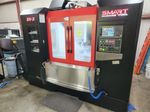
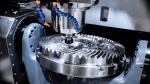
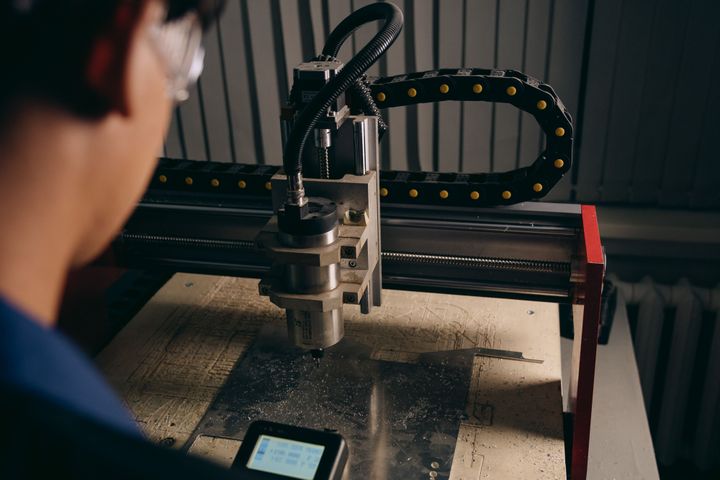
A CNC machine is a manufacturing system that uses computer-controlled instructions to perform machining operations with high levels of accuracy and consistency.

Common CNC processes include:

  • Milling
  • Turning
  • Drilling
  • Grinding
  • Cutting
  • Engraving

CNC systems help automate manufacturing tasks that traditionally required extensive manual operation.

The Evolution of CNC Technology

Manufacturing equipment has advanced significantly since the introduction of numerical control systems.

Major developments include:

  • Digital programming
  • Computerized controls
  • Precision motion systems
  • Advanced sensors
  • Automated tool management
  • Connected manufacturing platforms

These innovations continue improving efficiency and production capabilities.

Core Components of Modern CNC Machines

Most CNC systems consist of several key elements.

Common components include:

  • Machine controllers
  • Servo motors
  • Tooling systems
  • Motion control mechanisms
  • Human-machine interfaces (HMIs)
  • Software platforms

Together, these components enable precise execution of programmed manufacturing instructions.

Artificial Intelligence in CNC Manufacturing

Artificial intelligence is increasingly being integrated into manufacturing environments.

Potential applications include:

  • Process optimization
  • Predictive analysis
  • Quality monitoring
  • Production planning
  • Operational efficiency improvements

AI technologies help manufacturers analyze large volumes of operational data and identify optimization opportunities.

Machine Learning and Process Improvement

Machine learning systems may support manufacturing operations by identifying patterns within production data.

Examples may include:

  • Tool wear analysis
  • Process consistency monitoring
  • Cycle-time optimization
  • Operational trend identification

Machine learning models can assist decision-making processes through data-driven insights.

Predictive Maintenance Technologies

Predictive maintenance has become a major focus within modern manufacturing.

Traditional maintenance often relies on:

  • Scheduled inspections
  • Fixed maintenance intervals
  • Reactive repairs

Predictive systems instead utilize:

  • Sensor data
  • Performance monitoring
  • Condition analysis
  • Equipment diagnostics

The goal is to identify potential issues before they affect production.

Smart Sensors and Data Collection

Modern CNC equipment frequently incorporates advanced sensing technologies.

Examples include:

  • Temperature sensors
  • Vibration monitoring systems
  • Position sensors
  • Load measurement devices
  • Environmental monitoring systems

Sensor networks generate data that supports machine monitoring and operational analysis.

Automation in CNC Manufacturing

Automation plays an increasingly important role in production environments.

Common automation technologies include:

  • Robotic loading systems
  • Automated material handling
  • Tool-changing systems
  • Workflow coordination software
  • Integrated production cells

Automation can support efficiency, consistency, and productivity objectives.

Robotic Integration

Industrial robots are often integrated with CNC systems.

Applications may include:

  • Material loading
  • Part unloading
  • Inspection support
  • Production handling
  • Manufacturing coordination

Robotic systems contribute to flexible and scalable production environments.

Digital Twins in Manufacturing

Digital twin technology is becoming increasingly relevant within Industry 4.0 initiatives.

A digital twin may represent:

  • A machine
  • A production line
  • A manufacturing process
  • An operational environment

Digital models can assist with monitoring, simulation, and performance evaluation activities.

Understanding Smart Factories

A smart factory is a manufacturing environment that utilizes connected technologies to improve operational visibility and efficiency.

Characteristics often include:

  • Connected equipment
  • Real-time data monitoring
  • Automated workflows
  • Intelligent decision support
  • Digital communication systems

Smart factory concepts continue influencing industrial modernization efforts.

Internet of Things (IoT) Connectivity

The Industrial Internet of Things (IIoT) enables manufacturing equipment to communicate and exchange information.

Potential benefits may include:

  • Enhanced monitoring
  • Remote visibility
  • Data-driven decision making
  • Improved coordination
  • Operational transparency

Connectivity has become a central element of modern manufacturing strategies.

Human-Machine Interfaces

Modern CNC systems often feature advanced human-machine interfaces.

Examples include:

  • Touchscreen controls
  • Visual dashboards
  • Production analytics displays
  • Interactive monitoring tools

These interfaces help operators interact with complex manufacturing systems more effectively.

Quality Control and Inspection Technologies

Quality assurance remains a critical component of manufacturing operations.

Modern approaches may involve:

  • Automated inspection systems
  • Sensor-based measurements
  • Data analysis tools
  • Real-time quality monitoring

Technology increasingly supports consistency and process visibility.

Energy Efficiency and Sustainability

Manufacturing organizations are paying greater attention to sustainability initiatives.

Areas of focus may include:

  • Energy-efficient machinery
  • Resource optimization
  • Waste reduction
  • Process efficiency improvements

Sustainability considerations are becoming increasingly important across industrial sectors.

Cybersecurity in Connected Manufacturing

As manufacturing systems become more connected, cybersecurity receives greater attention.

Common considerations include:

  • Network security
  • Access management
  • Data protection
  • Operational resilience
  • System monitoring

Cybersecurity plays an important role in safeguarding connected industrial environments.

Workforce and Digital Manufacturing

Advanced manufacturing technologies are influencing workforce requirements.

Key areas include:

  • Digital literacy
  • Automation management
  • Data analysis skills
  • Technology integration
  • Continuous learning

Manufacturing personnel increasingly interact with sophisticated digital systems.

Industry 4.0 and Future Manufacturing

Industry 4.0 refers to the integration of digital technologies into manufacturing operations.

Core concepts often include:

  • Artificial intelligence
  • Automation
  • Smart factories
  • Industrial connectivity
  • Data-driven production

These technologies collectively contribute to the transformation of industrial processes.

Manufacturing Technology Trends in 2026

Several developments continue shaping CNC and smart manufacturing environments.

Current trends include:

  • AI-assisted production optimization
  • Predictive maintenance systems
  • Advanced robotics integration
  • Digital twin adoption
  • Industrial IoT expansion
  • Cloud-connected manufacturing
  • Real-time analytics platforms
  • Sustainable production initiatives

These trends reflect ongoing innovation across the global manufacturing sector.

Frequently Asked Questions

What is a CNC machine?

A CNC machine is a computer-controlled manufacturing system used to perform precise machining operations.

How is AI used in CNC manufacturing?

AI may assist with process optimization, predictive maintenance, quality monitoring, and production analysis.

What is predictive maintenance?

Predictive maintenance uses data and monitoring technologies to identify potential equipment issues before failures occur.

What is a smart factory?

A smart factory is a connected manufacturing environment that utilizes digital technologies, automation, and real-time data systems.

Why is automation important in manufacturing?

Automation can support consistency, efficiency, productivity, and operational flexibility within manufacturing processes.

Conclusion

Modern CNC machines represent a significant evolution in manufacturing technology, combining precision machining capabilities with artificial intelligence, automation systems, sensor networks, and connected digital platforms. These innovations are helping manufacturers move toward smarter, more efficient, and data-driven production environments.

As Industry 4.0 technologies continue advancing, CNC systems are expected to become increasingly intelligent, connected, and integrated within broader smart factory ecosystems, shaping the future of manufacturing worldwide.

Disclaimer

This article is intended solely for informational and educational purposes. It does not provide engineering, manufacturing, operational, purchasing, legal, financial, safety, investment, or industrial consulting advice. It does not endorse, recommend, compare, rank, review, market, or promote any CNC machine manufacturer, automation provider, software platform, industrial equipment supplier, or technology service. Manufacturing requirements and technology implementations vary by industry, application, and operational environment. Readers should consult qualified professionals for technical and business-specific guidance.

author-image

Ravi Shankar Maurya

We create purposeful content that speaks, resonates, and drives action.

June 20, 2026 . 8 min read