Understanding Industrial Chemical Systems and Their Role in Manufacturing Industries
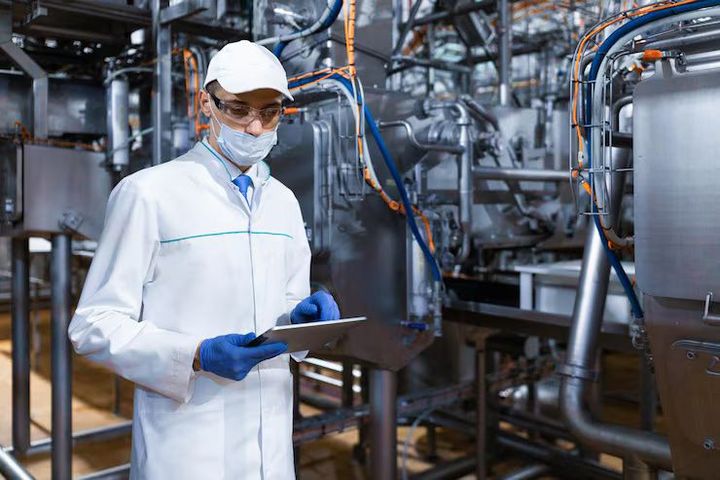
Industrial chemical systems are integrated processing environments designed to manage the production, handling, storage, mixing, treatment, and transportation of chemical substances used in manufacturing operations. These systems combine reactors, pipelines, filtration units, pumps, storage tanks, control panels, and monitoring technologies to support efficient and controlled industrial processes. Industrial chemical systems are widely used in pharmaceuticals, food production, energy operations, agriculture, automotive manufacturing, water treatment, plastics processing, and heavy industrial applications.
Globally, manufacturing industries continue emphasizing process efficiency, product consistency, and environmental management as industrial production becomes increasingly automated and technologically advanced. According to global industrial infrastructure research, organizations increasingly invest in modern chemical systems and automated process technologies to improve operational reliability, production accuracy, and safety management within manufacturing environments. This reflects the broader expansion of smart manufacturing and digitally controlled industrial infrastructure.
In practical applications, industrial chemical systems help manufacturers manage chemical reactions, maintain production quality, regulate temperature and pressure conditions, and support material processing workflows. Different systems are designed depending on chemical composition, operational scale, and production requirements. Understanding how industrial chemical systems function and support manufacturing operations highlights their importance in modern industrial processing and production environments.
Who It Affects & Problems It Solves
Industrial chemical systems affect a wide global audience, including manufacturing companies, chemical processing facilities, pharmaceutical producers, energy providers, food manufacturers, agricultural industries, and industrial engineering teams. Process operators, safety managers, maintenance professionals, and environmental specialists also play important roles in supporting chemical system performance and operational reliability.
Without organized chemical processing systems, industries may experience inconsistent product quality, inefficient material handling, contamination risks, operational downtime, and reduced production efficiency. Manual or outdated chemical management methods may also increase safety concerns and limit process scalability. Industrial chemical systems help solve these challenges by automating workflows and supporting controlled production environments.
A common scenario involves manufacturing operations processing large volumes of raw materials requiring precise temperature regulation and chemical consistency. Without automated monitoring and process control systems, production instability and operational inefficiencies may occur more frequently. Industrial chemical systems improve workflow reliability by supporting accurate processing conditions and continuous operational monitoring. These operational advantages naturally lead into recent developments shaping chemical processing technologies and industrial automation systems.
Recent Updates
Over the past year, industrial chemical technologies have evolved significantly through increased automation and smart monitoring integration. Modern processing systems increasingly use digital sensors, AI-assisted analytics, and automated control platforms to improve operational accuracy and process efficiency within manufacturing environments.
Another important trend is the growing emphasis on environmentally conscious chemical processing and sustainable manufacturing practices. Industry data suggests that organizations increasingly prioritize lower-emission production methods, waste reduction systems, and resource-efficient processing technologies to support environmental management goals.
Advanced filtration and process optimization systems have also become more sophisticated. Many industries now use precision monitoring tools, automated dosing technologies, and digitally connected infrastructure systems to improve production consistency and reduce material losses.
Additionally, predictive maintenance technologies and industrial IoT integration continue gaining popularity. Real-time equipment diagnostics, cloud-connected monitoring systems, and automated maintenance alerts are increasingly used to improve operational visibility and reduce unplanned downtime. These developments provide useful context for comparing common industrial chemical systems and operational capabilities.
Comparison Table
The table below compares common industrial chemical systems based on operational functionality and manufacturing benefits.
| Industrial Chemical System | Main Function | Automation Level | Common Industry Application | Operational Benefit |
|---|---|---|---|---|
| Chemical Reactor Systems | Controlled chemical reactions | High | Pharmaceutical and chemical manufacturing | Improved production consistency |
| Mixing and Blending Systems | Material combination processes | Moderate to high | Food and industrial processing | Uniform material quality |
| Filtration and Separation Systems | Contaminant removal | High | Water treatment and manufacturing | Improved product purity |
| Pipeline Transfer Systems | Chemical transportation | Moderate | Industrial processing plants | Efficient material movement |
| Storage Tank Systems | Chemical containment | Moderate | Energy and manufacturing industries | Safe material storage |
| Automated Dosing Systems | Precise chemical measurement | Very high | Pharmaceutical and laboratory operations | Improved accuracy |
| Heat Exchange Systems | Temperature regulation | High | Chemical and energy industries | Better process stability |
| Ventilation and Gas Management Systems | Airflow and gas control | Moderate to high | Industrial facilities | Improved environmental safety |
| Smart Monitoring Platforms | Digital process management | Very high | Advanced manufacturing operations | Real-time operational visibility |
| Waste Treatment Systems | Industrial waste processing | High | Environmental management operations | Reduced environmental impact |
The comparison shows that different industrial chemical systems support different manufacturing goals, from material processing and environmental management to temperature regulation and automated workflow control. Combining process automation with monitoring technologies often helps improve operational reliability and long-term production efficiency. Understanding these distinctions naturally leads into practical guidance and infrastructure planning considerations.
Regulations & Practical Guidance
In many countries, industrial chemical operations and manufacturing facilities are encouraged to follow workplace safety, environmental management, and hazardous material handling practices. These standards generally focus on operational reliability, contamination control, emergency preparedness, and responsible chemical processing within industrial environments.
Globally, industries increasingly prioritize automation, sustainability, and operational visibility when selecting industrial chemical systems. Material compatibility, production volume, safety requirements, and energy efficiency often influence infrastructure decisions and long-term manufacturing strategies.
Another important consideration is preventive maintenance and monitoring system calibration. Industrial chemical systems operating continuously within demanding production environments may require routine inspections, sensor calibration, equipment cleaning, and component servicing to maintain processing consistency and reduce operational interruptions.
Which Option Suits Your Situation?
For manufacturing facilities requiring controlled chemical reactions and precision processing, reactor systems and automated dosing technologies may support improved production consistency and operational accuracy.
For industries focused on material purity and contamination management, filtration systems and separation technologies may provide stronger quality control and cleaner production environments.
For organizations managing large-scale industrial infrastructure, pipeline transfer systems and storage tank technologies may support efficient material handling and operational scalability.
For facilities prioritizing automation and real-time operational visibility, smart monitoring platforms and IoT-connected chemical systems may improve process coordination and maintenance planning. Choosing the right industrial chemical system depends on production scale, material requirements, automation goals, and environmental management priorities. These considerations naturally lead into useful tools and resources.
Tools & Resources
Several tools and resources can help industries better understand and manage industrial chemical systems effectively.
Process Monitoring Platforms — support real-time operational visibility and workflow tracking.
Maintenance Management Applications — assist with inspection scheduling and equipment servicing.
Chemical Analysis Tools — help evaluate material quality and process consistency.
Industrial Safety Resources — provide guidance about hazardous material management and workplace protection.
Automation Control Systems — support digitally connected production workflows and infrastructure coordination.
Engineering Communities — enable professionals to exchange industrial chemical processing insights and operational strategies.
These resources support informed manufacturing decisions and efficient infrastructure management, leading naturally into frequently asked questions.
Frequently Asked Questions
What are industrial chemical systems?
Industrial chemical systems are integrated processing environments designed to manage chemical production, treatment, storage, transportation, and manufacturing workflows.
Why are industrial chemical systems important in manufacturing?
These systems support production consistency, process automation, material handling efficiency, and operational reliability within industrial environments.
What industries commonly use industrial chemical systems?
Chemical manufacturing, pharmaceuticals, food processing, energy production, water treatment, agriculture, and industrial engineering operations commonly use these systems.
What is a common misconception about chemical processing systems?
A common misconception is that industrial chemical systems only involve large-scale chemical production. In reality, many industries use smaller and highly specialized processing environments as well.
How can industries improve chemical system efficiency?
Industries often improve efficiency through automation integration, preventive maintenance, digital monitoring, and selecting systems suited to operational requirements.
Conclusion
Industrial chemical systems play an important role in supporting manufacturing efficiency, controlled processing, and operational reliability within modern industrial environments. Their ability to automate workflows and maintain production consistency makes them valuable across multiple manufacturing and processing applications.
For most organizations, selecting the right chemical processing system involves balancing automation features, material compatibility, environmental management, and operational scalability. Preventive maintenance and smart monitoring technologies often contribute to stronger long-term manufacturing performance and infrastructure reliability.
As global industrial technologies and smart manufacturing systems continue evolving, industrial chemical systems are expected to become more automated, energy-efficient, and integrated with advanced monitoring and digital infrastructure solutions.