Understanding Commercial Diesel Generators: Working Principles, Types and Business Applications
Commercial diesel generators provide dependable electrical power for businesses, industrial facilities, and critical infrastructure.
They are commonly used when utility power is unavailable or when continuous electricity is essential for daily operations.
Modern commercial diesel generators combine a diesel engine, an alternator, and advanced control systems to deliver stable electrical output. Their durability and ability to support high electrical loads make them an important part of many power systems.
Quick Answer: What Are Commercial Diesel Generators?
- Commercial diesel generators convert diesel fuel into electrical energy.
- They provide backup or primary power for commercial and industrial facilities.
- A diesel engine drives an alternator to generate electricity.
- Automatic control systems monitor generator performance.
- Common generator types include standby, prime, and continuous-duty models.
- Regular maintenance helps improve reliability and operational efficiency.
- Modern generators include digital monitoring and safety protection features.
What Are Commercial Diesel Generators?
Commercial diesel generators are power generation systems designed to supply electricity for businesses, industrial operations, and large facilities.
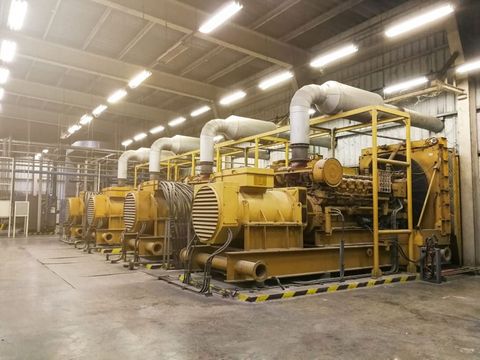
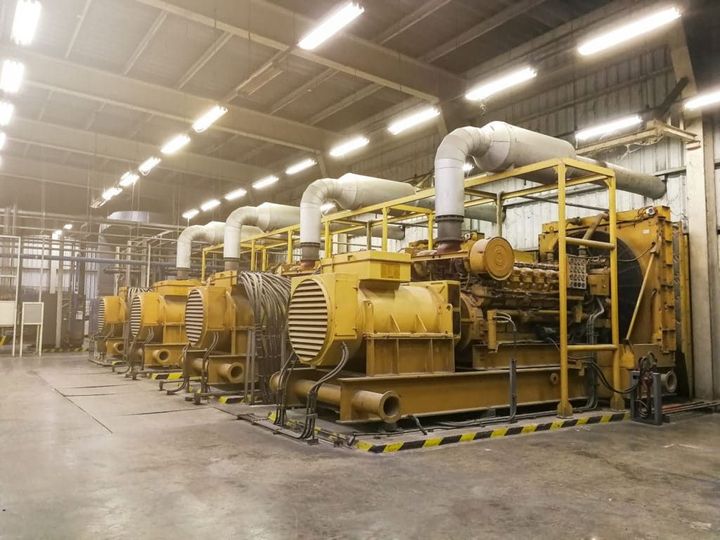
A complete generator system typically includes a diesel engine, alternator, fuel system, cooling system, exhaust system, and control panel. These components work together to produce reliable electrical power.
Commercial diesel generators are commonly used in:
- Office buildings
- Manufacturing facilities
- Hospitals
- Hotels
- Shopping centers
- Warehouses
- Data centers
- Educational institutions
- Construction sites
- Agricultural operations
Generator size depends on the electrical demand of the facility.
How Do Commercial Diesel Generators Work?
Commercial diesel generators convert mechanical energy into electrical energy through a controlled process.
How Does the Diesel Engine Produce Power?
The diesel engine burns fuel inside its cylinders.
The combustion process produces mechanical energy that rotates the engine's crankshaft.
How Does the Alternator Generate Electricity?
The rotating engine drives the alternator.
The alternator converts mechanical motion into electrical energy through electromagnetic induction.
This electricity is then supplied to connected electrical systems.
How Is Power Controlled?
The control panel monitors generator operation.
It regulates engine performance, electrical output, and protective functions throughout operation.
What Are the Main Components of Commercial Diesel Generators?
Several systems work together to produce dependable electrical power.
Diesel Engine
The diesel engine provides the mechanical power required to drive the generator.
Engine size determines the available power output.
Alternator
The alternator converts rotational movement into electrical energy.
It supplies the electricity used by connected equipment.
Fuel System
The fuel system stores and delivers diesel fuel to the engine.
Major components include:
- Fuel tank
- Fuel pump
- Fuel filters
- Fuel lines
- Injectors
Cooling System
The cooling system helps regulate engine temperature during operation.
Typical components include:
- Radiator
- Cooling fan
- Coolant pump
- Thermostat
Proper cooling supports efficient engine performance.
Lubrication System
Lubrication reduces friction between moving engine parts.
It also helps control wear and operating temperatures.
Exhaust System
The exhaust system directs combustion gases safely away from the engine.
Many systems also include emission-control components.
Control Panel
The control panel allows operators to monitor and manage generator operation.
Modern panels display information such as:
- Voltage
- Frequency
- Engine speed
- Oil pressure
- Coolant temperature
- Operating hours
- Alarm notifications
What Types of Commercial Diesel Generators Are Available?
Commercial generators are designed for different operating requirements.
What Is a Standby Diesel Generator?
Standby generators operate when normal utility power becomes unavailable.
These systems remain inactive until a power interruption occurs.
They are commonly used in:
- Hospitals
- Office buildings
- Schools
- Hotels
- Retail facilities
What Is a Prime Diesel Generator?
Prime generators supply electricity for locations without continuous utility power.
They can operate for extended periods while supporting variable electrical loads.
What Is a Continuous-Duty Diesel Generator?
Continuous-duty generators provide uninterrupted electrical power under relatively constant load conditions.
They are often used in remote industrial environments.
What Is a Portable Commercial Diesel Generator?
Portable commercial generators can be relocated between work locations.
They are commonly used for:
- Construction projects
- Temporary facilities
- Outdoor events
- Emergency operations
Where Are Commercial Diesel Generators Used?
Commercial diesel generators support many industries.
Common applications include:
- Healthcare facilities
- Manufacturing plants
- Data centers
- Telecommunications infrastructure
- Airports
- Hotels
- Distribution centers
- Mining operations
- Agricultural facilities
- Water treatment plants
Each application requires appropriate generator sizing and planning.
How Is Generator Capacity Determined?
Generator capacity depends on the electrical demand of the connected equipment.
Important considerations include:
- Total electrical load
- Starting current requirements
- Continuous operating load
- Future expansion
- Critical equipment
- Power quality requirements
Accurate load assessment helps ensure dependable operation.
What Is an Automatic Transfer Switch?
An Automatic Transfer Switch (ATS) detects utility power interruptions.
When utility power is lost, the ATS signals the generator to start automatically.
Once utility power returns, the switch safely transfers the electrical load back to the primary power source.
This process helps minimize service interruptions.
What Safety Features Are Included in Commercial Diesel Generators?
Modern generators include multiple protective systems.
Common safety features include:
- Emergency stop controls
- Overload protection
- Low oil pressure shutdown
- High coolant temperature protection
- Overspeed protection
- Short-circuit protection
- Battery monitoring
- Fault alarms
These systems help protect both equipment and operators.
How Are Commercial Diesel Generators Maintained?
Routine maintenance supports dependable generator performance.
Typical maintenance tasks include:
- Inspecting engine oil
- Checking coolant levels
- Replacing filters
- Testing batteries
- Inspecting fuel systems
- Examining electrical connections
- Running scheduled operational tests
- Cleaning air filters
- Inspecting exhaust components
- Recording maintenance activities
Regular servicing helps identify developing issues early.
What Factors Can Affect Generator Performance?
Several conditions influence generator efficiency and reliability.
These include:
- Fuel quality
- Ambient temperature
- Load conditions
- Airflow
- Cooling performance
- Altitude
- Maintenance practices
- Engine operating hours
Proper operating conditions improve long-term performance.
How Is Technology Improving Commercial Diesel Generators?
Modern diesel generators include advanced digital technologies.
Recent developments include:
- Digital control systems
- Remote monitoring
- Automatic diagnostics
- Predictive maintenance
- Smart load management
- Engine performance analytics
- Fuel consumption monitoring
- Remote alarm notifications
- Cloud-connected monitoring
- Industrial automation integration
These technologies improve operational visibility and system management.
How Can Generator Efficiency Be Improved?
Efficient operation depends on proper planning and maintenance.
Recommended practices include:
- Following maintenance schedules
- Monitoring engine performance
- Maintaining clean fuel systems
- Replacing filters regularly
- Keeping cooling systems clean
- Testing batteries periodically
- Monitoring electrical loads
- Recording operating data
Preventive maintenance supports consistent performance.
Frequently Asked Questions
What is a commercial diesel generator used for?
Commercial diesel generators provide electrical power for businesses, industrial facilities, and critical infrastructure.
How does a diesel generator produce electricity?
A diesel engine drives an alternator, which converts mechanical energy into electrical energy.
What is the difference between standby and prime generators?
Standby generators operate during utility power interruptions, while prime generators supply power for extended operating periods.
Why is routine generator maintenance important?
Regular maintenance helps improve reliability, efficiency, and long-term equipment performance.
What does an Automatic Transfer Switch do?
An ATS automatically switches electrical loads between utility power and the generator during a power interruption.
Key Takeaways
Commercial Diesel Generators Summary
- Commercial diesel generators provide dependable electrical power for commercial and industrial facilities.
- A diesel engine drives an alternator to generate electricity.
- Common generator types include standby, prime, continuous-duty, and portable models.
- Automatic Transfer Switches help manage power interruptions automatically.
- Modern generators include digital monitoring and advanced safety features.
- Regular maintenance supports reliable long-term operation.
- Proper generator sizing improves electrical system performance.
- Commercial diesel generators remain an essential part of business continuity and emergency power planning.