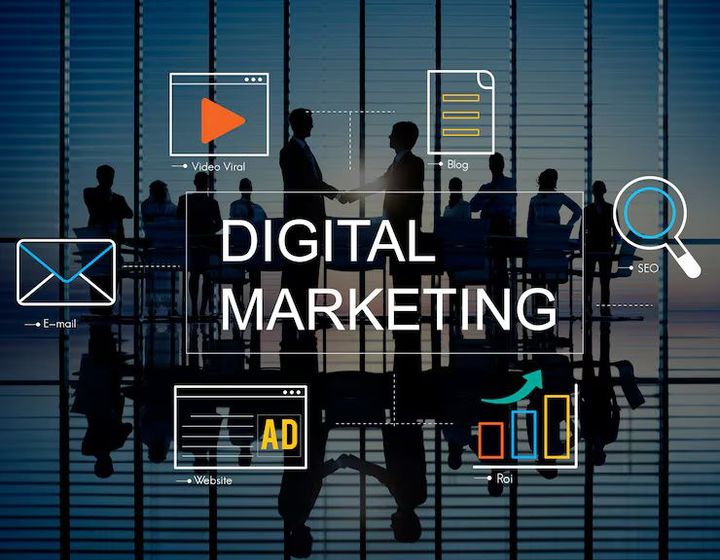
Digital Marketing: Complete Guide to Online Marketing and Business Growth
Digital marketing is one of the most important parts of modern business growth. People now spend a large amount of time online using search engines, social platforms, video platforms, and mobile apps.
Because of this, businesses use online marketing methods to connect with audiences, improve visibility, and build strong customer relationships.
From small local brands to global companies, digital marketing helps businesses reach people in different locations through websites, content, search engines, email campaigns, and social media marketing. It also helps brands understand audience behavior and improve communication strategies.
Today, digital marketing is not only important for large organizations. Small businesses, creators, educational platforms, and personal brands also use online advertising and content marketing techniques to grow their presence.
Understanding the Concept
Digital marketing refers to promotional activities that happen through internet-based channels. These channels include search engines, websites, social media platforms, email platforms, mobile apps, and online video networks.
Traditional marketing usually depends on newspapers, television, radio, or printed materials. Digital marketing focuses on online communication where businesses can interact directly with users.
The main goal of digital marketing is to:
- Increase online visibility
- Reach target audiences
- Improve brand awareness
- Generate audience engagement
- Support long-term business growth
A simple example is a local clothing brand sharing fashion videos on social media platforms. Another example is a restaurant appearing in search engine results when users search for nearby food places.
Digital marketing also includes data analysis. Businesses study website traffic, user behavior, and audience interests to improve future campaigns.
Key Types or Categories
There are several important categories in digital marketing. Each category focuses on different communication methods and audience interactions.
Search Engine Optimization
Search Engine Optimization, often called SEO, helps websites appear higher in search engine results. SEO focuses on improving website structure, content quality, keywords, and user experience.
For example, a travel blog using phrases like “best mountain destinations” may appear in search results when users search for travel information.
Important SEO elements include:
- Keyword research
- Mobile-friendly design
- Fast website speed
- Quality content creation
- Internal linking
- User-friendly navigation
Content Marketing
Content marketing focuses on creating useful and informative material for audiences. This may include:
- Articles
- Videos
- Podcasts
- Guides
- Infographics
- Social media posts
A fitness brand may create workout tutorials or nutrition guides to educate audiences and build trust.
Social Media Marketing
Social media marketing uses platforms like Instagram, Facebook, LinkedIn, and YouTube to connect with audiences.
Businesses use social platforms to:
- Share updates
- Build communities
- Increase engagement
- Promote brand identity
- Interact with followers
A restaurant posting short cooking videos is a simple real-world example of social media marketing.
Email Marketing
Email marketing involves sending newsletters, educational updates, product announcements, or audience information directly to subscribers.
This method helps businesses maintain communication with existing audiences and improve customer relationships.
Search Engine Marketing
Search engine marketing focuses on paid visibility through search platforms. Businesses use targeted campaigns to appear in search results for important keywords.
High CPC keywords such as digital advertising, online business strategy, lead generation, content strategy, and search engine ranking are commonly used in this area.
Influencer Marketing
Influencer marketing involves collaboration with creators who already have active audiences. Influencers may share reviews, tutorials, or demonstrations related to a brand or product.
For example, a travel creator discussing hotel experiences may influence audience decisions and increase brand awareness.
How It Works
Digital marketing follows a step-by-step process that helps businesses communicate effectively with audiences.
Step 1: Identify the Audience
Businesses first understand who they want to reach. This includes:
- Age group
- Interests
- Location
- Online behavior
- Preferred platforms
For example, gaming audiences may spend more time on video platforms and social communities.
Step 2: Create Valuable Content
The next step is creating useful content that attracts attention. Good content answers questions, solves problems, or entertains users.
Examples include:
- Educational articles
- Video tutorials
- Product demonstrations
- Industry insights
- Social media posts
Step 3: Optimize for Search Engines
Businesses improve website content using SEO techniques. This helps search engines understand the content better and improve visibility.
Important SEO practices include:
- Using relevant keywords naturally
- Writing clear headings
- Improving website loading speed
- Creating mobile-friendly pages
Step 4: Share Across Platforms
Content is distributed through multiple channels such as:
- Search engines
- Social media
- Email campaigns
- Video platforms
- Online communities
Using multiple platforms increases audience reach.
Step 5: Analyze Performance
Digital marketing relies heavily on analytics. Businesses track important information like:
- Website visitors
- Audience engagement
- Click-through rates
- Search visibility
- Content performance
This information helps improve future campaigns and audience communication.
Benefits and Advantages
Digital marketing provides many practical advantages for businesses and organizations.
Wider Audience Reach
Online platforms allow businesses to connect with audiences from different cities and countries. A small local brand can gain visibility far beyond its physical location.
Better Audience Engagement
Digital platforms support direct communication. Businesses can respond to comments, answer questions, and interact with followers quickly.
Improved Brand Awareness
Regular online activity helps audiences recognize and remember a brand. Consistent content sharing builds familiarity and trust over time.
Data-Driven Decisions
Businesses can study audience behavior using analytics tools. This helps improve content strategy and campaign planning.
Flexible Marketing Approaches
Digital marketing supports different formats including:
- Short videos
- Educational articles
- Live streaming
- Podcasts
- Visual content
- Email newsletters
This flexibility allows businesses to adapt to changing audience preferences.
Stronger Customer Relationships
Helpful content and regular communication help businesses maintain long-term audience relationships.
Real-World Examples or Applications
Digital marketing appears in almost every industry today.
Education Industry
Educational platforms use content marketing and search engine optimization to reach students searching for learning materials.
Video tutorials, educational blogs, and social media updates help attract audiences interested in online learning.
Healthcare Industry
Healthcare organizations use digital marketing to share wellness information, appointment updates, and medical awareness campaigns.
Articles about nutrition, fitness, and mental wellness help audiences stay informed.
Real Estate Industry
Real estate companies use virtual tours, online advertising, and video marketing to showcase properties.
High-quality images and location-based SEO improve visibility for property searches.
Travel Industry
Travel brands share destination guides, travel tips, and hotel experiences through social platforms and blogs.
Travel videos and audience reviews often influence travel planning decisions.
Retail and Fashion
Fashion brands use influencer marketing, video content, and social media engagement to showcase new collections and seasonal trends.
Important Factors to Understand
Several important factors influence digital marketing success.
Content Quality
Low-quality or repetitive content may reduce audience interest. Useful and original information usually performs better.
Mobile Optimization
Many users browse websites through smartphones. Mobile-friendly design improves user experience and search visibility.
Audience Trust
Transparency and accuracy are important. Misleading claims can damage reputation and reduce audience confidence.
Consistency
Regular updates help maintain visibility and audience engagement. Inactive pages may lose attention over time.
Search Trends
Search behavior changes frequently. Businesses must study trending keywords and audience interests regularly.
Visual Communication
Images, videos, and infographics often improve engagement more effectively than plain text alone.
Future Trends and Industry Insights
Digital marketing continues evolving as technology changes.
Artificial Intelligence in Marketing
Artificial intelligence helps businesses analyze audience behavior, personalize content, and improve communication strategies.
AI-powered chat systems and recommendation engines are becoming more common.
Voice Search Growth
More people now use voice assistants to search online. Businesses are adapting content for natural language search queries.
Short-Form Video Expansion
Short videos remain highly popular across social platforms. Quick educational and entertaining videos attract strong audience engagement.
Interactive Content
Interactive quizzes, polls, live streams, and augmented reality experiences are becoming more common in digital campaigns.
Data Privacy Awareness
Users are becoming more aware of online privacy. Businesses must follow responsible data collection and communication practices.
Personalized Experiences
Modern digital marketing focuses on delivering personalized recommendations and audience-specific content.
Conclusion
Digital marketing has become an essential part of modern communication and business growth. It helps organizations connect with audiences through search engines, websites, social platforms, video content, and email campaigns.
Methods like search engine optimization, social media marketing, content creation, and online advertising help improve visibility and audience engagement. Businesses also benefit from analytics, audience insights, and flexible communication strategies.
As technology continues evolving, digital marketing will continue changing with new trends such as artificial intelligence, voice search, and interactive experiences. Businesses that focus on useful content, audience trust, and consistent communication are more likely to build strong online visibility in the future.