Office Chairs: Complete Guide to Ergonomic Seating and Comfort
Office seating plays a major role in daily comfort, posture, and productivity. Many people spend long hours sitting at desks, attending meetings, or working on computers.
Poor seating can lead to back pain, neck strain, shoulder tension, and reduced focus during the day.
Modern office chairs are designed to support the body properly while encouraging healthy sitting habits. From adjustable armrests to lumbar support, these chairs help create a more comfortable working environment for both small workplaces and large organizations.
Today, many workplaces explore ergonomic office chairs for corporate environments because employee comfort directly affects performance and well-being. Choosing the right chair is no longer only about appearance. It is also about posture, flexibility, durability, and daily support.
Understanding the Concept
An ergonomic office chair is designed to match the natural shape and movement of the human body. The word “ergonomic” means creating equipment that fits people comfortably and safely.
Traditional chairs often keep the body in one fixed position for long periods. Ergonomic seating, however, allows movement and adjustment. This reduces physical stress during long working hours.
A well-designed office chair usually includes:
- Adjustable seat height
- Back support
- Flexible armrests
- Breathable material
- Tilt and recline functions
- Neck and head support
For example, someone working at a computer for eight hours may experience lower back pressure in a standard chair. An ergonomic chair with lumbar support helps maintain spinal alignment and improves sitting posture.
Many organizations also explore ergonomic computer seating consulting to better understand how workplace seating affects employee health and office efficiency.
Key Types or Categories
Office chairs come in several categories based on workplace needs, comfort levels, and work styles.
Task Chairs
Task chairs are commonly used for everyday desk work. They are lightweight, adjustable, and suitable for computer-based activities.
Features often include:
- Swivel movement
- Adjustable height
- Rolling wheels
- Compact design
These chairs work well in shared office spaces and study environments.
Executive Chairs
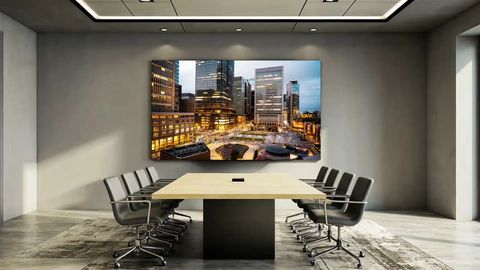
Executive chairs focus on premium comfort and professional appearance. Many luxury executive leather office chairs include padded seating, tall backrests, and enhanced neck support.
These chairs are commonly used in:
- Meeting rooms
- Executive cabins
- Conference spaces
- Leadership offices
Leather finishes and detailed stitching often create a refined and professional look.
Mesh Chairs
Mesh chairs use breathable fabric material that allows airflow. This helps reduce heat buildup during long sitting sessions.
They are especially useful in warmer environments where ventilation matters.
Heavy-Duty Chairs
Heavy duty commercial desk chairs are built for durability and long-term use. They usually feature reinforced frames, wider seating areas, and stronger weight support.
These chairs are often used in:
- Large corporate workplaces
- Control rooms
- Reception areas
- Multi-shift office environments
Gaming-Inspired Office Chairs
Some modern workplaces use gaming-style chairs because they provide high back support and reclining features. These chairs are popular among creative professionals and technology teams.
Important Subsections
Lumbar Support
Lumbar support refers to support for the lower back. Proper lumbar design helps maintain the natural curve of the spine.
Without this support, people may slouch forward, creating pressure on the back muscles.
Seat Depth
Seat depth affects how comfortably a person sits. A seat that is too short may not support the thighs properly, while one that is too deep can reduce circulation behind the knees.
Armrest Position
Adjustable armrests help reduce shoulder and wrist strain. They support natural arm positioning during typing and desk work.
Headrest Design
Headrests support the neck during leaning or reclining. This feature is especially useful during long meetings or extended computer sessions.
How It Works
Ergonomic office seating works by supporting the body in a balanced and adjustable way.
Here is a simple step-by-step explanation:
- The user adjusts the seat height so the feet rest flat on the floor.
- The backrest aligns with the natural curve of the spine.
- Armrests are adjusted to support relaxed shoulders.
- The seat depth positions the knees comfortably.
- Recline functions allow movement and pressure distribution.
This process helps reduce stress on muscles and joints during daily work activities.
For example, an employee working on reports throughout the day may frequently shift posture. A flexible chair supports these movements instead of forcing one rigid sitting position.
Many businesses working with commercial office furniture supply teams focus on adjustable seating because employees have different body types and seating preferences.
Benefits and Advantages
Proper office seating provides several important advantages for both individuals and organizations.
Improved Comfort
Comfortable seating helps people stay focused during long working hours. Reduced discomfort often leads to better concentration and reduced fatigue.
Better Posture
Ergonomic chairs encourage healthier posture by supporting the back, neck, and shoulders correctly.
Reduced Physical Strain
Poor seating can place pressure on joints and muscles. Adjustable chairs help distribute body weight more evenly.
Enhanced Workplace Appearance
Modern office chairs contribute to a clean and professional office environment. Executive seating especially creates a polished and organized appearance.
Long-Term Durability
Heavy duty commercial desk chairs are designed for regular use in busy workplaces. Their reinforced construction supports long operational periods.
Flexible Adjustments
People have different heights and body structures. Adjustable features allow personalized comfort settings.
Improved Airflow
Mesh chairs help improve ventilation and reduce discomfort caused by heat buildup during long sitting periods.
Real-World Examples or Applications
Office seating is important across many industries and environments.
Corporate Offices
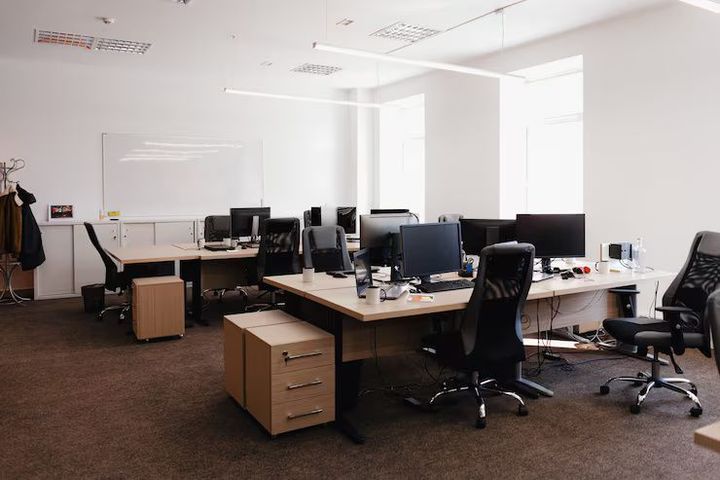
Large companies often use ergonomic office chairs for corporate teams to support employees during long desk-based tasks.
Departments such as accounting, administration, and customer support rely heavily on comfortable seating throughout the day.
Educational Institutions
Teachers, administrative staff, and students also benefit from ergonomic seating during extended study or planning sessions.
Creative Studios
Designers and video editors may spend hours working on detailed projects. Adjustable chairs help support posture and reduce strain during creative work.
Healthcare Administration
Administrative staff in hospitals and clinics often work with digital records for extended periods. Comfortable seating improves daily workflow efficiency.
Home Workspaces
Remote work has increased interest in ergonomic seating at home. Many individuals now create dedicated work areas with supportive office furniture.
Important Factors to Understand
Selecting the right office chair involves several important considerations.
Body Support
The chair should support the spine, neck, arms, and legs comfortably. Adjustable features are important because every person sits differently.
Material Quality
Mesh, fabric, and leather materials each provide different experiences.
- Mesh improves airflow
- Fabric provides softness
- Leather creates a premium appearance
Luxury executive leather office chairs are commonly chosen for professional environments where appearance and comfort are both priorities.
Workspace Size
Large executive chairs may not fit well in compact workspaces. Smaller task chairs often work better in limited areas.
Mobility
Wheels and swivel functions improve movement around the workspace. This is useful in collaborative office settings.
Weight Capacity
Heavy duty commercial desk chairs are useful in environments requiring stronger structural support and extended durability.
Maintenance
Easy-to-clean materials help maintain hygiene and appearance in shared office spaces.
Future Trends and Industry Insights
Office seating continues to evolve as workplaces change and employee wellness becomes more important.
Smarter Ergonomic Features
Modern chairs increasingly include advanced adjustment systems that automatically adapt to sitting posture and movement.
Sustainable Materials
Manufacturers are exploring environmentally responsible materials and recyclable components for office furniture production.
Hybrid Workplace Design
As hybrid work environments become more common, people seek flexible seating suitable for both home and office settings.
Minimalist Office Furniture
Many workplaces now prefer simple and clean furniture designs that blend comfort with modern aesthetics.
Increased Wellness Awareness
Businesses increasingly recognize the relationship between seating, posture, and employee wellness. This has increased interest in ergonomic computer seating consulting for workspace planning and seating improvements.
Multi-Functional Seating
Future office chairs may include features such as:
- Integrated charging options
- Advanced lumbar adjustment
- Adaptive reclining systems
- Smart posture tracking
These innovations aim to create more personalized seating experiences.
Conclusion
Office chairs are an essential part of modern workplaces and home work environments. Comfortable and supportive seating helps improve posture, reduce physical strain, and support daily productivity.
From lightweight task chairs to luxury executive leather office chairs, different seating options are designed for different workplace needs. Adjustable features such as lumbar support, seat height, and reclining systems help create healthier sitting habits.
Organizations using ergonomic office chairs for corporate environments often focus on long-term comfort and workplace efficiency. Durable options like heavy duty commercial desk chairs also support demanding office conditions.
As workplace wellness continues to gain importance, ergonomic seating will remain a key part of creating comfortable, productive, and professional workspaces.