Top Water Treatment Plant Machinery Brands: Industry Overview, Equipment Types, and Technology Insights
Water treatment plants are essential components of modern infrastructure. They help process water through a series of treatment stages designed to improve water quality for municipal, industrial, environmental, and operational purposes.
To perform these functions, treatment facilities utilize specialized machinery, monitoring systems, filtration technologies, and automated control equipment. These systems work together to support water processing, contaminant reduction, operational efficiency, and infrastructure management.
As urban development, industrial activities, and environmental challenges continue to evolve, water treatment technologies have become increasingly important in supporting sustainable water management practices.
Why Water Treatment Machinery Matters Today
Water treatment equipment supports critical infrastructure across many sectors.
Its importance can be seen in areas such as:
- Public water systems
- Industrial operations
- Manufacturing facilities
- Environmental management
- Utility infrastructure
- Resource conservation
- Wastewater treatment
- Smart city development
Modern treatment facilities rely on machinery to maintain operational consistency while managing large volumes of water efficiently.
How Water Treatment Plants Operate
Most treatment facilities follow a structured process designed to improve water quality through multiple stages.
| Treatment Stage | Function |
|---|---|
| Water Intake | Collection of source water |
| Screening | Removal of large materials |
| Coagulation | Grouping suspended particles |
| Sedimentation | Separation of solids |
| Filtration | Removal of fine particles |
| Disinfection | Reduction of microorganisms |
| Distribution | Delivery to end systems |
The exact treatment process may vary depending on local requirements and facility objectives.
Major Categories of Water Treatment Equipment
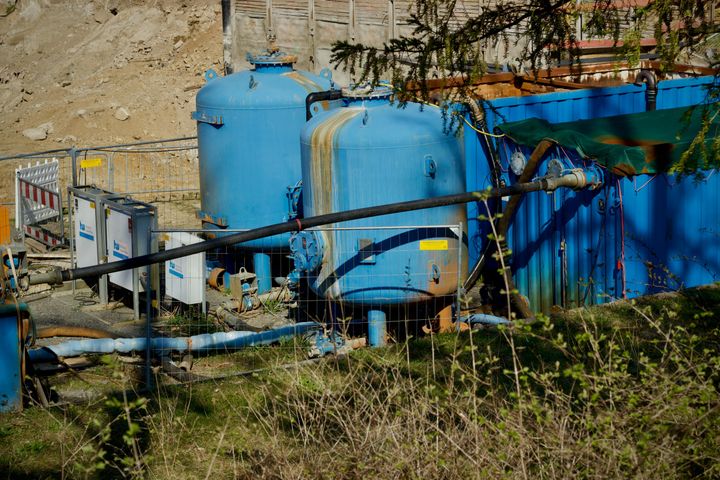
Water treatment plants use numerous types of machinery throughout the treatment process.
Common equipment categories include:
- Pumps
- Filtration systems
- Clarifiers
- Sedimentation equipment
- Membrane systems
- Chemical dosing systems
- Ultraviolet treatment units
- Monitoring and control systems
Each category contributes to specific treatment functions within the overall process.
Pumping Systems
Pumps are among the most widely used pieces of equipment in treatment facilities.
They may be used for:
- Raw water transfer
- Process circulation
- Distribution systems
- Chemical dosing applications
- Sludge management operations
Reliable pumping systems help maintain steady operational performance throughout treatment processes.
Filtration Technologies
Filtration is a fundamental part of modern water treatment.
Common filtration methods include:
| Filtration Technology | General Purpose |
| Sand Filtration | Particle reduction |
| Activated Carbon Filtration | Organic compound management |
| Multimedia Filtration | Enhanced filtration performance |
| Cartridge Filtration | Fine particle removal |
| Membrane Filtration | Advanced treatment applications |
Different filtration technologies may be used depending on treatment goals and water characteristics.
Membrane Treatment Systems
Membrane technologies have become increasingly important within modern treatment facilities.
Common membrane categories include:
- Microfiltration (MF)
- Ultrafiltration (UF)
- Nanofiltration (NF)
- Reverse Osmosis (RO)
These technologies are frequently used in advanced water processing applications.
Automation and Digital Monitoring
Digital technologies have transformed many aspects of water infrastructure management.
Modern facilities may utilize:
- Supervisory control systems
- Remote monitoring platforms
- Industrial sensors
- Automated control systems
- Data analytics platforms
- Performance monitoring software
These technologies help operators monitor equipment and treatment processes more effectively.
Artificial Intelligence and Smart Infrastructure
Artificial intelligence is increasingly being explored within infrastructure management.
Potential applications include:
- Equipment performance monitoring
- Predictive maintenance
- Process optimization
- Water quality analytics
- Operational forecasting
- Infrastructure planning
These technologies support data-driven decision-making and operational efficiency.
Examples of Industry Participants
The global water treatment sector includes many organizations involved in equipment manufacturing, treatment technologies, infrastructure development, and industrial automation.
Examples of industry participants frequently discussed within the water treatment sector include:
- Veolia Water Technologies
- Xylem
- Pentair
- SUEZ Water Technologies & Solutions
- Grundfos
- Evoqua Water Technologies
- Kurita Water Industries
- Toray Industries
These organizations are mentioned solely for educational context as participants within the broader water treatment industry. Their inclusion does not represent endorsements, rankings, recommendations, or comparative evaluations.
Water Treatment Equipment Functions
| Equipment Category | Primary Function |
| Pumps | Water movement |
| Clarifiers | Solid separation |
| Filters | Particle reduction |
| Membranes | Advanced purification |
| UV Systems | Disinfection support |
| Sensors | Data collection |
| Control Systems | Process management |
Together, these technologies support modern treatment facility operations.
Recent Industry Trends (2025–2026)
Several trends continue shaping the future of water treatment infrastructure.
Current developments include:
- Smart infrastructure integration
- Increased digital monitoring
- Growth of membrane technologies
- Expansion of predictive maintenance systems
- Greater use of industrial analytics
- Enhanced automation capabilities
- Improved energy efficiency initiatives
- Development of water reuse technologies
These trends reflect ongoing efforts to modernize water treatment operations worldwide.
Sustainability and Environmental Considerations
Environmental management remains an important focus for treatment facilities.
Areas of ongoing development include:
- Resource optimization
- Energy-efficient operations
- Water reuse initiatives
- Infrastructure modernization
- Environmental monitoring
- Sustainable treatment practices
These efforts contribute to broader environmental and infrastructure objectives.
Regulations and Standards
Water treatment facilities commonly operate within established regulatory frameworks.
Areas of oversight may include:
- Water quality standards
- Environmental regulations
- Workplace safety requirements
- Equipment certification programs
- Infrastructure security guidelines
- Operational compliance frameworks
Requirements vary by jurisdiction and facility type.
Tools and Resources
Individuals interested in learning about water treatment technologies may explore:
- Water quality monitoring resources
- Infrastructure management platforms
- Industrial automation references
- Environmental engineering publications
- Utility operations materials
- Treatment process guides
- Regulatory information resources
- Technical standards documentation
These resources support educational understanding of treatment technologies and infrastructure systems.
Frequently Asked Questions
What machinery is commonly used in water treatment plants?
Water treatment facilities commonly use pumps, filters, clarifiers, membrane systems, monitoring equipment, control systems, and disinfection technologies.
What is membrane filtration?
Membrane filtration uses specialized barriers to separate particles and contaminants from water during treatment processes.
How does automation support water treatment operations?
Automation technologies help monitor equipment performance, manage treatment processes, collect operational data, and improve efficiency.
What are smart water technologies?
Smart water technologies utilize sensors, digital monitoring platforms, analytics systems, and automation tools to support infrastructure management.
Why is water treatment infrastructure important?
Water treatment infrastructure supports water quality management, environmental protection, industrial operations, and public utility systems.
Conclusion
Water treatment plant machinery plays a vital role in supporting modern infrastructure, environmental management, and industrial operations. Through the use of pumps, filtration systems, membrane technologies, automation platforms, and digital monitoring tools, treatment facilities continue evolving to meet changing operational and environmental requirements.
As advancements in artificial intelligence, smart infrastructure, industrial automation, and sustainability initiatives continue to develop, water treatment technologies are expected to become increasingly sophisticated. Understanding equipment categories, treatment processes, and emerging trends provides valuable insight into one of the world's most important infrastructure sectors.
Disclaimer
This article is intended solely for informational and educational purposes. It does not promote, endorse, recommend, compare, rank, market, or encourage the selection or acquisition of any company, equipment, technology, or infrastructure solution. References to organizations and technologies are included only to provide industry context. This content should not be considered engineering, environmental, regulatory, legal, operational, financial, infrastructure, or professional advice. Readers should consult qualified professionals and applicable authorities regarding specific technical, regulatory, operational, or infrastructure-related matters.

You May Also Like