Telemedicine Services Knowledge: Key Concepts of Virtual Care Delivery
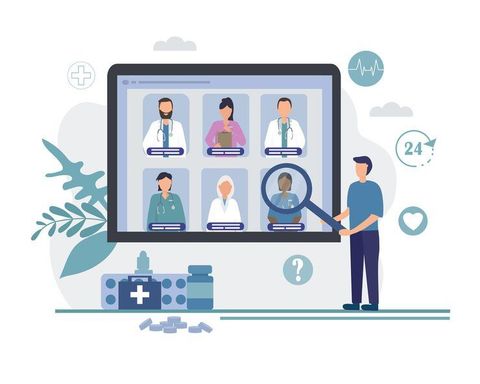
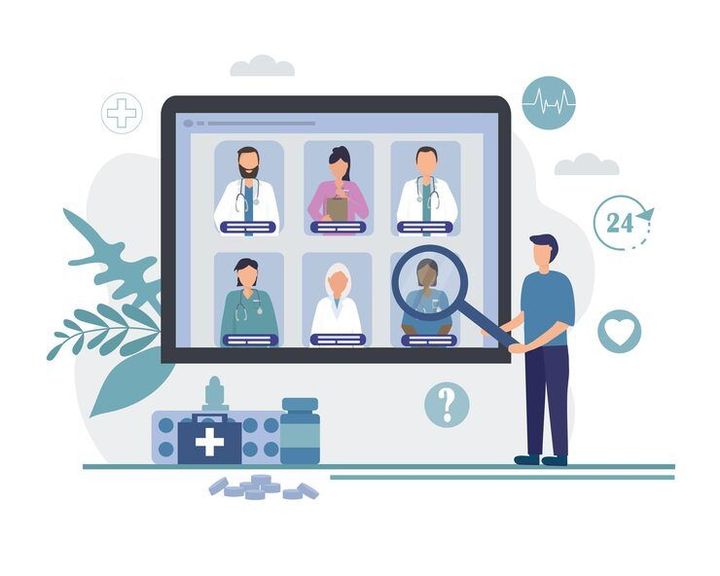
Telemedicine services refer to the delivery of healthcare through digital communication technologies, allowing patients and healthcare providers to connect without being physically present in the same location. This model uses video consultations, mobile applications, remote monitoring devices, and secure communication systems to support diagnosis, treatment, and ongoing health management.
The purpose of telemedicine is to improve healthcare access, reduce geographical barriers, and enable continuous patient care, especially for individuals in remote areas or those with mobility limitations. It also enhances efficiency in healthcare systems by optimizing consultation workflows and reducing unnecessary in-person visits.
What Telemedicine Services Represent
Telemedicine is a structured healthcare delivery model that integrates medical expertise with digital communication infrastructure. It is not limited to video calls but includes a wide ecosystem of digital health tools.
It typically involves:
- Real-time consultations between patients and doctors
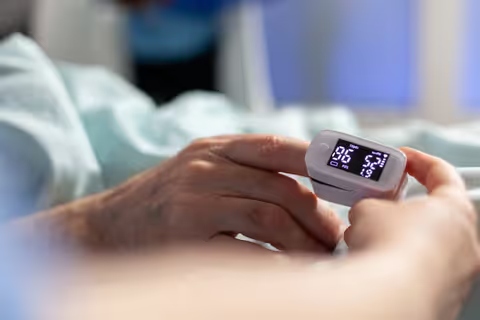
- Remote monitoring of vital health indicators
- Digital transmission of medical records and diagnostic data
- AI-assisted preliminary screening systems
- Follow-up care management through digital platforms
This system transforms traditional healthcare into a connected, technology-driven ecosystem where care can be continuous rather than episodic.
How Telemedicine Systems Work
Telemedicine operates through a combination of software platforms, communication networks, and healthcare protocols. The process is structured to ensure accuracy, privacy, and clinical reliability.
A typical workflow includes:
- Patient registration on a digital healthcare platform
- Appointment scheduling with a healthcare professional
- Secure video or audio consultation session
- Digital sharing of symptoms, reports, and medical history
- Prescription or treatment recommendation issued electronically
- Optional remote monitoring using connected health devices
Data is transmitted through encrypted channels to maintain confidentiality and comply with healthcare data protection standards.
Importance, Use Cases, and Problems It Solves
Telemedicine addresses several challenges in traditional healthcare delivery, particularly accessibility and efficiency.
Key benefits include:
- Improved access to healthcare in rural and underserved areas
- Reduced travel burden for patients requiring frequent consultations
- Faster access to specialist opinions
- Better management of chronic conditions
- Lower pressure on physical healthcare infrastructure
Common real-world use cases:
- Chronic disease management (diabetes, hypertension monitoring)
- Mental health counseling and therapy sessions
- Post-surgery follow-up consultations
- Emergency triage and initial assessments
- Pediatric and geriatric care support
By enabling continuous interaction between patients and healthcare providers, telemedicine enhances preventive care and early intervention.
Key Components and Functional Structure
Telemedicine systems rely on multiple integrated components that ensure smooth healthcare delivery.
| Component | Function | Example |
|---|---|---|
| Video Consultation Systems | Enable real-time doctor-patient interaction | Secure video conferencing tools |
| Remote Monitoring Devices | Track patient health metrics | Blood pressure monitors, ECG devices |
| Electronic Health Records (EHR) | Store and manage patient data | Digital medical history systems |
| AI Diagnostic Tools | Assist in symptom analysis | AI-based triage systems |
| Communication Networks | Ensure secure data transfer | Encrypted cloud infrastructure |
These components work together to create a unified digital healthcare ecosystem that supports both preventive and reactive care models.
Recent Trends and Developments (2025–2026)
Telemedicine has rapidly evolved with advancements in artificial intelligence, data analytics, and healthcare interoperability.
Notable developments include:
- Expansion of AI-powered clinical decision support tools (2025) improving diagnostic accuracy
- Integration of wearable health devices with real-time monitoring platforms (2025–2026)
- Growth of hybrid healthcare models combining in-person and digital care pathways
- Increased adoption of remote mental health platforms supported by behavioral analytics
- Expansion of national digital health ecosystems such as India’s Ayushman Bharat Digital Mission (ongoing 2025 updates)
- Strengthening of cross-border telehealth collaboration frameworks under global health initiatives
These trends indicate a shift toward predictive and preventive healthcare rather than reactive treatment models.
Regulations, Policies, and Compliance Framework
Telemedicine operates under strict regulatory frameworks to ensure patient safety, data security, and clinical accountability.
Key regulatory aspects include:
- Telemedicine Practice Guidelines issued in India (2020, with continued updates and adoption in 2025)
- Data protection and digital health privacy standards governing patient records
- Consent-based consultation protocols ensuring patient authorization before treatment
- Licensing requirements for healthcare professionals offering remote consultations
- Guidelines for electronic prescriptions and digital documentation validity
- Compliance with healthcare interoperability standards under national digital health frameworks
These regulations ensure that telemedicine maintains clinical integrity while leveraging digital transformation.
Tools, Platforms, and Learning Resources
A wide range of technologies support telemedicine ecosystems, enabling scalable and secure healthcare delivery.
Common tools and platforms include:
- Virtual consultation platforms for real-time doctor-patient interaction
- Remote patient monitoring systems integrated with wearable devices
- Cloud-based electronic health record management systems
- AI-powered healthcare analytics platforms for predictive insights
- Secure messaging and communication tools for healthcare coordination
- Digital diagnostic support applications for imaging and lab analysis
Learning resources:
- WHO digital health guidelines and reports
- National digital health mission documentation
- Medical informatics and healthcare IT certification programs
- Research publications on digital health transformation
- Clinical telehealth training modules for healthcare professionals
Frequently Asked Questions
What is the main purpose of telemedicine services?
Telemedicine services aim to provide healthcare access through digital communication tools, enabling remote consultations and continuous care delivery.
Is telemedicine effective for long-term health conditions?
Yes, it is widely used for chronic conditions such as diabetes and hypertension through remote monitoring and regular virtual consultations.
How is patient data protected in telemedicine systems?
Patient data is secured using encryption, authentication systems, and compliance with healthcare data protection regulations.
Can prescriptions be provided through telemedicine consultations?
Yes, licensed healthcare professionals can issue electronic prescriptions based on virtual assessments.
Does telemedicine replace in-person healthcare completely?
No, it complements traditional healthcare by handling consultations and monitoring, while physical visits are still required for certain conditions.
Conclusion
Telemedicine services represent a major transformation in healthcare delivery by combining medical expertise with advanced digital technologies. It improves accessibility, enhances patient monitoring, and supports efficient healthcare systems across diverse populations.
With the integration of artificial intelligence, wearable technologies, and secure digital infrastructure, telemedicine continues to evolve into a more predictive and personalized healthcare model. Supported by regulatory frameworks and global digital health initiatives, it is becoming an essential part of modern healthcare ecosystems worldwide.
Disclaimer: The information provided in this article is for informational purposes only. We do not make any claims or guarantees regarding the accuracy, reliability, or completeness of the information presented. The content is not intended as professional advice and should not be relied upon as such. Readers are encouraged to conduct their own research and consult with appropriate professionals before making any decisions based on the information provided in this article.