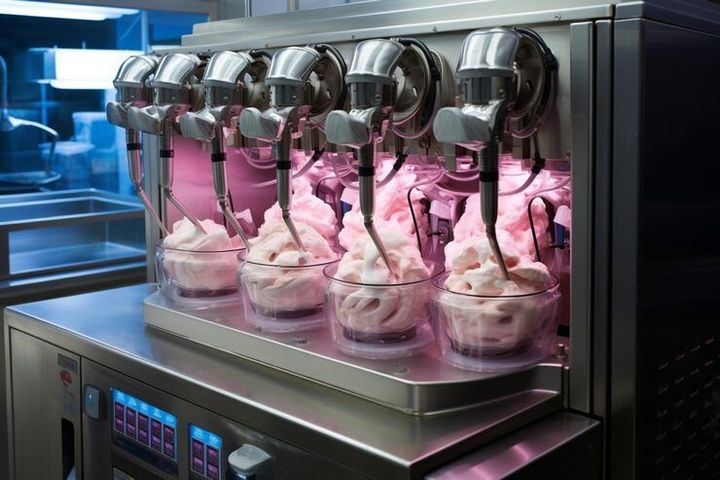
Smart Ice Cream Machines and Automated Production
Ice cream making machines are transforming modern dessert manufacturing through automation, hygiene control, and energy-efficient production systems. This article explains their importance, recent developments, regulations, tools, and industry trends in a simple and informative way.
Smart ice cream machines are advanced systems designed to automate different stages of frozen dessert production. These machines use digital controls, sensors, data tracking, and automated mixing systems to improve consistency and efficiency in food manufacturing environments.
Traditional ice cream preparation depended heavily on manual monitoring and operator experience. Over time, growing demand for consistent texture, flavor quality, and food safety encouraged manufacturers to adopt automation technologies. Smart systems now help monitor temperature, ingredient flow, mixing speed, and storage conditions with greater accuracy.
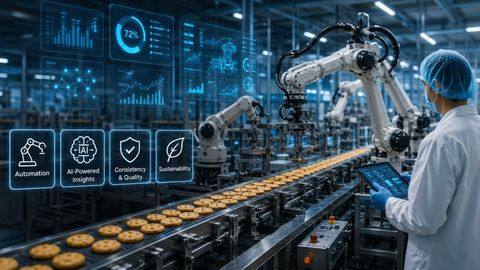
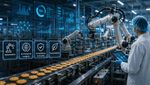
Automated production in the frozen dessert industry includes ingredient handling, pasteurization, blending, freezing, packaging, and inventory monitoring. Many systems can operate with minimal human intervention while maintaining hygiene standards and reducing production errors.
The rise of smart manufacturing and connected devices has also influenced food processing industries. Modern production facilities increasingly use cloud-based monitoring, predictive maintenance systems, and artificial intelligence tools to improve operational performance.
Why Automated Ice Cream Production Matters
Automated ice cream production has become important because consumer expectations for quality and food safety continue to grow. Modern systems help manufacturers maintain consistent taste, texture, and production standards across large batches.
Several industries are affected by these technologies, including:
- Food manufacturing
- Dairy processing
- Cold chain logistics
- Hospitality operations
- Industrial automation sectors
One major advantage is improved efficiency. Automated systems can monitor production continuously and reduce downtime caused by equipment issues. Smart sensors can detect temperature fluctuations or ingredient inconsistencies before they affect product quality.
Another important factor is food safety. Automated systems reduce direct handling during production, helping lower contamination risks. Digital monitoring tools also make it easier to track hygiene conditions and production records.
Energy management is another growing concern. Smart ice cream machines often include energy-efficient compressors, automated cleaning cycles, and optimized cooling systems that help reduce electricity consumption.
The technology also supports sustainability goals. Some manufacturers now use automated ingredient management systems to reduce food waste and improve production planning accuracy.
Main Features of Smart Ice Cream Machines
Modern smart ice cream machines include several advanced technologies designed for automation and quality management.
| Feature | Purpose |
|---|---|
| Temperature Sensors | Monitor freezing accuracy |
| Automated Mixing | Maintain texture consistency |
| Digital Dashboards | Track production performance |
| Predictive Maintenance | Detect equipment issues early |
| Automated Cleaning Systems | Improve hygiene management |
| Data Monitoring Tools | Record operational data |
Many systems now connect to centralized monitoring platforms, allowing operators to review machine performance remotely. This helps improve response times during technical issues and supports preventive maintenance planning.
Artificial intelligence tools are also becoming more common in food processing systems. AI-based monitoring can analyze machine performance patterns and identify efficiency improvements over time.
Recent Developments in Smart Production Technology
The past year has seen several important developments in automated food manufacturing systems.
During 2025, many production facilities expanded the use of artificial intelligence for predictive maintenance and operational monitoring. AI tools are increasingly used to analyze equipment behavior, detect unusual operating conditions, and improve production scheduling.
Another major trend involves Internet of Things technology. Smart sensors connected through industrial networks now provide real-time production data that can improve inventory management and machine performance tracking.
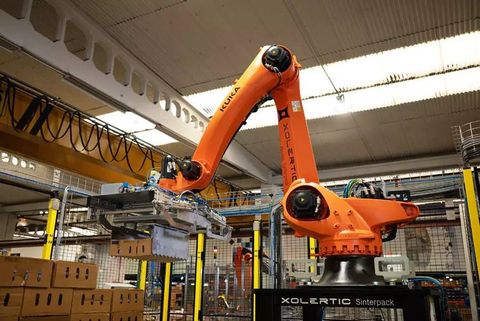
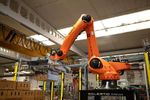
Robotic handling systems also became more common in frozen dessert manufacturing during late 2025 and early 2026. These systems help automate packaging, ingredient transfer, and storage processes.
Sustainability initiatives have influenced equipment design as well. New production systems increasingly focus on:
- Lower energy usage
- Reduced water consumption
- Improved waste management
- Eco-friendly refrigerant technologies
Digital twin technology is another emerging trend in smart manufacturing. Some facilities now use virtual production simulations to monitor operational efficiency and test production changes before implementation.
The global focus on food safety compliance has also encouraged investment in automated monitoring systems. Digital tracking tools can help document hygiene conditions, temperature records, and cleaning procedures more accurately.
Growth of Smart Manufacturing in Food Processing
The food industry is experiencing wider adoption of Industry 4.0 technologies. Smart manufacturing combines automation, data analytics, artificial intelligence, and connected devices to improve industrial processes.
The following chart explains how automation improves production flow:
| Production Stage | Traditional Method | Smart Automated Method |
|---|---|---|
| Ingredient Mixing | Manual Monitoring | Sensor-Based Control |
| Freezing Process | Periodic Checks | Real-Time Monitoring |
| Packaging | Human Handling | Robotic Assistance |
| Quality Inspection | Visual Inspection | AI-Based Detection |
| Maintenance | Reactive Repairs | Predictive Monitoring |
These technologies help improve operational transparency and long-term equipment reliability.
Laws and Regulatory Frameworks
Smart ice cream machines and automated production systems are affected by food safety regulations and industrial compliance standards in many countries.
Food manufacturing facilities generally must follow hygiene and quality control requirements established by government authorities. These regulations often include rules related to:
- Food storage temperatures
- Equipment sanitation
- Ingredient traceability
- Worker safety standards
- Refrigeration management
In India, food production operations are regulated under food safety frameworks managed by national authorities. These regulations require manufacturers to maintain hygiene records, quality testing procedures, and safe storage conditions.
Several countries also introduced stricter refrigerant and energy efficiency regulations during 2025. These policies encourage manufacturers to adopt environmentally safer cooling systems and energy-saving equipment.
Data security regulations are becoming increasingly relevant as smart machines use cloud-based monitoring systems. Facilities using connected production systems may need cybersecurity protections to safeguard operational data.
International standards organizations also publish industrial automation guidelines for machine safety and digital system integration. These standards help manufacturers maintain operational consistency across facilities.
Benefits of Smart Ice Cream Production Systems
Smart production systems provide several operational and quality-related benefits.
Improved Product Consistency
Automated monitoring systems help maintain stable ingredient ratios, freezing temperatures, and mixing performance. This improves consistency across production batches.
Better Hygiene Control
Automated cleaning and monitoring tools reduce contamination risks and improve sanitation tracking.
Reduced Equipment Downtime
Predictive maintenance systems can identify potential machine failures early, reducing unexpected interruptions.
Data-Driven Production Planning
Production analytics help facilities improve inventory management, reduce waste, and optimize machine performance.
Energy Efficiency
Modern systems often use optimized cooling technologies and automated power management tools to reduce energy usage.
Challenges in Automated Food Manufacturing
Despite the advantages, smart production systems also present some challenges.
Initial setup complexity can require technical expertise for installation and maintenance. Staff training is often necessary to operate advanced digital systems effectively.
Cybersecurity is another concern. Connected production systems may face risks related to unauthorized access or data management issues.
Maintenance requirements can also increase as automated systems rely on software updates, sensor calibration, and network stability.
Smaller facilities may face difficulties adapting to large-scale automation because of infrastructure limitations or technical resource gaps.
Useful Tools and Resources
Several types of tools and educational resources support smart manufacturing and automated food production systems.
Helpful resources include:
- Production monitoring dashboards
- Energy efficiency calculators
- Preventive maintenance templates
- Food safety compliance checklists
- Industrial automation training platforms
- Digital inventory management systems
- Equipment performance analytics tools
Learning resources related to smart manufacturing and industrial automation are also becoming widely available through technical education platforms and industry training programs.
Frequently Asked Questions
What is a smart ice cream machine?
A smart ice cream machine is an automated system that uses sensors, digital controls, and monitoring tools to improve frozen dessert production efficiency and consistency.
How does automation improve food safety?
Automation reduces manual handling during production and allows continuous monitoring of hygiene conditions, temperature control, and cleaning procedures.
What technologies are used in automated production systems?
Common technologies include artificial intelligence, industrial sensors, cloud monitoring systems, robotic handling tools, and predictive maintenance software.
Are smart manufacturing systems energy efficient?
Many modern systems include energy-saving cooling technologies, automated power management, and optimized production controls that help reduce electricity consumption.
Why is predictive maintenance important?
Predictive maintenance helps detect equipment problems before breakdowns occur, reducing downtime and improving operational reliability.
Conclusion
Smart ice cream machines and automated production systems are transforming modern food manufacturing through improved efficiency, digital monitoring, and advanced automation technologies. These systems support better product consistency, food safety management, and energy optimization while helping facilities adapt to changing industry demands.
Recent developments in artificial intelligence, predictive maintenance, and connected manufacturing systems continue to shape the future of automated food production. At the same time, regulations related to food safety, energy efficiency, and industrial compliance remain important factors influencing technology adoption.