Shared Office Space Rental Guide: Basics, Benefits, Types, and Industry Insights
Shared office space rental refers to professional workplace environments where multiple businesses or individuals use the same office infrastructure. Instead of operating from traditional long-term offices, organizations and professionals can access fully equipped workspaces through flexible office leasing solutions.
Understanding Shared Office Space Rental
This concept emerged as modern businesses began looking for adaptable workplace models that support remote work, collaboration, and efficient resource use. Many organizations today use corporate coworking solutions or serviced office space rental arrangements to access meeting rooms, desks, and collaborative areas without maintaining large private offices.
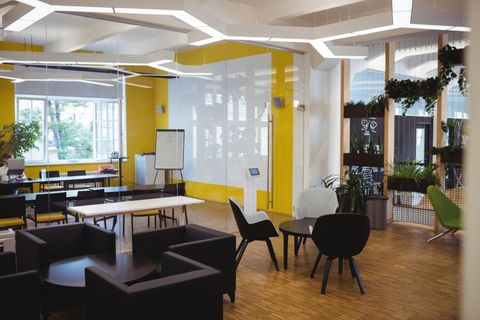
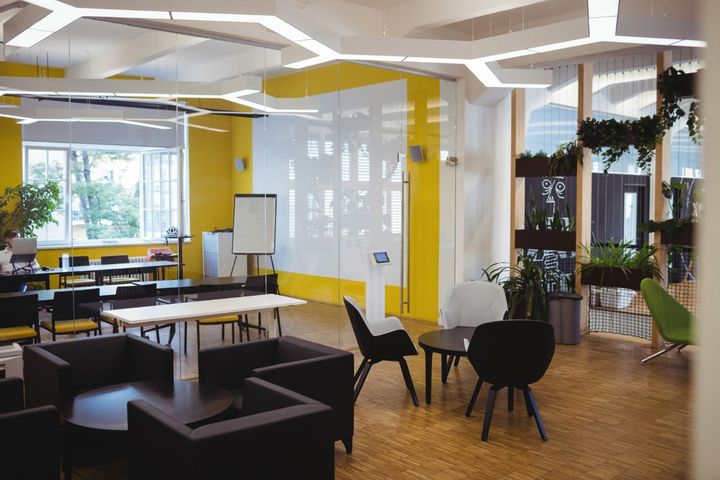
Shared office environments often include furnished workstations, internet connectivity, reception services, and collaborative meeting areas. Businesses, freelancers, and distributed teams may use furnished office space for rent or coworking office for remote teams to operate in professional settings while maintaining operational flexibility.
The development of digital collaboration tools, hybrid work strategies, and urban workspace shortages has contributed to the growth of premium coworking office space and executive office suites rental across major business districts worldwide.
Why Shared Office Space Matters in the Modern Workplace
The modern business environment has shifted significantly due to remote work trends, digital collaboration platforms, and flexible workforce structures. Shared office environments provide a practical solution for organizations that need professional workspace access without maintaining large permanent facilities.
Several groups benefit from shared workspaces:
-
Startups seeking adaptable work environments
-
Remote teams requiring occasional office collaboration
-
Independent professionals needing structured workspaces
-
Small and medium enterprises managing operational flexibility
Businesses increasingly rely on business center office space and shared office meeting rooms rental for client meetings, presentations, and collaborative sessions.
Key challenges addressed by shared office models include:
-
Limited workspace availability in major cities
-
Growing hybrid work culture
-
Need for collaborative work environments
-
Efficient use of office infrastructure
Flexible workspaces support organizations that require temporary or scalable environments such as short term office space rental during project phases, market expansion, or remote team coordination.
Common Types of Shared Office Spaces
Different workspace formats exist to support various work styles, organizational structures, and collaboration needs. The following table outlines common workspace types within the shared office ecosystem.
| Workspace Type | Description | Typical Users |
|---|---|---|
| Coworking Spaces | Open collaborative work environments with shared desks | Freelancers, remote professionals |
| Private Office Suites | Enclosed offices within coworking facilities | Small teams, startups |
| Executive Office Suites | Fully serviced professional offices | Consultants, small companies |
| Business Center Offices | Office facilities offering meeting rooms and reception services | Enterprises, project teams |
| Hybrid Flexible Workspaces | Combination of coworking desks and private offices | Distributed teams |
Coworking environments often provide premium coworking office space designed for collaboration and productivity. These workspaces may include networking lounges, conference rooms, and technology-enabled workstations.
Organizations that need occasional professional meeting locations may prefer shared office meeting rooms rental, which allows temporary use of conference facilities.
For project-based operations, short term office space rental offers access to furnished work environments without long-term commitments.
Benefits and Practical Applications
Shared office environments provide several advantages across industries and professional sectors.
Workspace Flexibility
Flexible office environments allow organizations to scale workspace usage depending on team size, project requirements, or seasonal demand. Many businesses rely on flexible office leasing solutions to adapt workspace capacity over time.
Professional Infrastructure
Modern shared workspaces typically include:
-
High-speed internet connectivity
-
Meeting and conference rooms
-
Administrative support services
-
Collaborative work areas
These resources help organizations operate efficiently within corporate coworking solutions without maintaining independent infrastructure.
Remote Team Collaboration
Distributed workforces often require occasional in-person collaboration. A coworking office for remote teams provides neutral meeting environments where team members can coordinate projects or conduct workshops.
Business Networking Opportunities
Shared workspaces often host professionals from diverse industries. This environment may encourage knowledge sharing, professional networking, and collaborative projects.
Urban Workspace Accessibility
Many shared office locations are situated in central business districts, making business center office space convenient for client meetings and professional events.
Major Companies in the Shared Office Industry
Several global workspace providers operate flexible office networks across multiple countries. These organizations support coworking infrastructure and professional workspace ecosystems.
| Company | Headquarters | Known For |
|---|---|---|
| WeWork | United States | Global coworking office networks |
| IWG plc | Switzerland | Workspace brands such as Regus and Spaces |
| Industrious | United States | Premium flexible office environments |
| Knotel | United States | Custom flexible workspace solutions |
| Awfis | India | Large coworking network in India |
These companies provide various workspace formats including executive office suites rental, coworking desks, and enterprise office environments designed for hybrid work strategies.
Recent Industry Developments and Trends
The shared office industry has experienced rapid changes over the past year due to evolving workplace strategies and technological advancements.
Hybrid Workplace Expansion (2025)
Many global organizations adopted hybrid work policies during 2025, leading to increased demand for flexible office leasing solutions in major cities.
Technology Integration in Workspaces (2024–2025)
Workspace providers introduced digital access systems, workspace booking platforms, and smart meeting room technologies to improve office utilization.
Growth of Enterprise Coworking Programs (2025)
Large corporations began using corporate coworking solutions to support distributed teams operating across multiple cities.
Regional Expansion of Coworking Networks (2024–2025)
Companies such as Awfis expanded workspace locations across major Indian metropolitan areas to support startup ecosystems and remote professionals.
Industry reports published in late 2025 also indicated rising demand for furnished office space for rent in technology and consulting sectors.
Regulations and Policy Considerations
Shared office operations may be influenced by workplace regulations, zoning policies, and labor laws depending on the country where they operate.
Common regulatory areas include:
-
Commercial property zoning regulations
-
Business registration requirements
-
Workplace safety guidelines
-
Data privacy standards for shared infrastructure
In India, coworking facilities generally operate under commercial property regulations governed by local municipal authorities and corporate law frameworks administered by the Ministry of Corporate Affairs.
Workplace safety practices may also align with national guidelines published by the Ministry of Labour and Employment.
Government initiatives promoting startup ecosystems have also indirectly supported coworking infrastructure in major urban centers.
Useful Tools and Resources for Workspace Planning
Organizations evaluating shared workspaces often use digital tools to assess workspace needs and compare locations.
Helpful tools and platforms include:
-
Workspace discovery platforms
-
Office utilization planning templates
-
Hybrid work scheduling tools
-
Meeting room booking systems
Examples of digital resources include:
-
LiquidSpace – Workspace discovery platform
-
Deskpass – Flexible workspace access app
-
Robin Workplace – Office scheduling and desk management software
These tools help organizations identify appropriate serviced office space rental locations and coordinate hybrid workforce schedules.
Businesses may also use occupancy planning spreadsheets or workspace calculators to determine the number of desks or meeting rooms required for operational activities.
Frequently Asked Questions
What is a shared office space environment?
A shared office space is a professional workplace where multiple individuals or organizations use common office infrastructure such as desks, meeting rooms, and administrative facilities.
Who typically uses coworking office spaces?
Users may include freelancers, startups, remote teams, consultants, and small businesses that require flexible workplace access.
How do serviced office spaces differ from traditional offices?
Serviced office environments typically provide furnished workstations, administrative services, and shared amenities within flexible workspace arrangements.
Are coworking offices suitable for remote teams?
Yes. A coworking office for remote teams can support collaboration sessions, project meetings, and team workshops in a structured professional environment.
What facilities are usually included in shared office environments?
Common facilities may include meeting rooms, internet connectivity, reception services, collaborative work areas, and professional office infrastructure.
Conclusion
Shared office space rental has become an important component of the modern workplace ecosystem. As organizations adopt hybrid work models and distributed teams become more common, flexible workspace solutions continue to gain relevance.
Options such as corporate coworking solutions, serviced office space rental, and executive office suites rental provide adaptable environments that support collaboration, productivity, and efficient workspace use.
The growth of premium coworking office space, digital workspace management tools, and urban business centers suggests that shared office environments will remain an integral part of professional infrastructure in the coming years.
By understanding workspace types, industry trends, and regulatory considerations, organizations and professionals can make informed decisions when evaluating shared office environments for their operational needs.
Informational Note: Workspace availability, packages, and pricing structures may vary by location and provider. Any references to workspace configurations are informational estimates and may differ across regions.