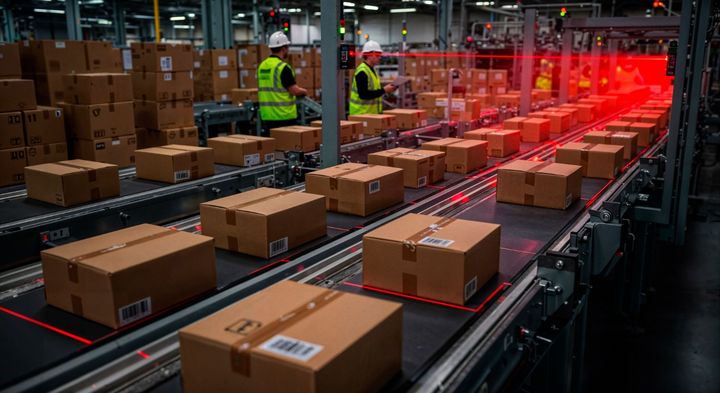
In the past, supply chains were largely manual and paper-based. Over time, globalization, e-commerce growth, and complex manufacturing networks created the need for faster coordination and real-time visibility. Industry 4.0 Supply Chain concepts emerged to connect physical operations with digital systems using sensors, cloud computing, artificial intelligence, and predictive analytics.
Smart logistics solutions exist to reduce operational delays, improve accuracy, and support global trade. These systems allow businesses to track shipments, automate warehouses, and optimize distribution networks using data rather than guesswork.
Why Smart Logistics Solutions Matter Today
Today’s global economy depends heavily on interconnected supply chains. From manufacturing facilities to retail stores, efficient logistics ensures that goods move on time and in the correct quantities.
Key reasons this topic is important:
-
Growing e-commerce demand requires rapid order fulfillment
-
Manufacturing Supply Chain Automation improves production coordination
-
Transportation Management Software reduces routing inefficiencies
-
Logistics Automation Technologies support real-time tracking and reporting
-
Environmental regulations encourage optimized transport and reduced emissions
Smart logistics solutions affect manufacturers, distributors, retailers, healthcare providers, and consumers. Delays or disruptions in supply chains can lead to stock shortages, increased transportation expenses, and operational inefficiencies.
Common problems these technologies help address include:
-
Manual inventory errors
-
Poor demand forecasting
-
Inefficient route planning
-
Limited shipment visibility
-
Communication gaps between supply chain partners
By applying Software Transport Logistics systems, organizations gain better control over procurement, warehousing, and delivery processes.
Types of Smart Logistics Solutions
Smart logistics solutions include several categories of digital and automated systems.
Warehouse Logistics Automation
This includes automated storage and retrieval systems (AS/RS), robotic picking systems, barcode scanning, RFID tracking, and smart inventory management platforms. These technologies reduce manual handling and improve order accuracy.
Transportation Management Software
Transportation management systems (TMS) optimize route planning, carrier selection, freight tracking, and delivery scheduling. They use algorithms and analytics to minimize delays and fuel consumption.
Logistics Automation Software
This software integrates warehouse management systems (WMS), enterprise resource planning (ERP), and supply chain management platforms. It supports end-to-end visibility across procurement, production, and distribution.
Manufacturing Supply Chain Automation
Automation in manufacturing includes real-time production monitoring, demand forecasting systems, and digital twins that simulate production workflows. These systems improve coordination between factories and logistics networks.
Industry 4.0 Supply Chain Technologies
These technologies combine Internet of Things (IoT), artificial intelligence (AI), blockchain, cloud computing, and advanced data analytics to create connected, data-driven supply chain ecosystems.
Benefits and Applications
Smart logistics systems provide measurable operational improvements across industries.
Major benefits include:
-
Real-time shipment tracking
-
Improved demand forecasting
-
Reduced inventory holding risks
-
Enhanced regulatory compliance reporting
-
Faster warehouse processing
-
Lower operational inefficiencies
Applications across sectors:
Manufacturing
Manufacturing Supply Chain Automation improves coordination between suppliers, factories, and distributors. Predictive analytics helps avoid production bottlenecks.
Retail and E-commerce
Warehouse Logistics Automation supports high-volume order fulfillment and last-mile delivery management.
Healthcare
Transportation Management Software ensures temperature-sensitive medical shipments are monitored and delivered within regulatory requirements.
Automotive
Industry 4.0 Supply Chain systems synchronize global parts suppliers with assembly plants.
Below is a simplified comparison table:
| Technology Type | Primary Function | Key Advantage |
|---|
| Warehouse Logistics Automation | Inventory & picking automation | Higher accuracy |
| Transportation Management Software | Route & freight optimization | Reduced delays |
| Logistics Automation Software | Process integration | End-to-end visibility |
| Industry 4.0 Supply Chain | Digital connectivity | Real-time analytics |
Estimated operational efficiency improvements vary depending on system design, scale, and implementation conditions.
Top 5 Leading Provider Company Names
Several global technology providers develop supply chain automation platforms and logistics management systems.
-
SAP
-
Oracle
-
IBM
-
Siemens
-
Blue Yonder
These companies focus on enterprise supply chain management software, AI-driven logistics automation, and digital transformation platforms.
Recent Updates and Trends
Over the past year, several trends have influenced smart logistics systems.
2025 – Expansion of AI in Transportation Management Software
Artificial intelligence is increasingly used for predictive route planning and demand forecasting.
2025 – Growth in Digital Twin Applications
Manufacturers are expanding digital twin technology to simulate full supply chain operations before implementation.
Late 2024 – Increased Adoption of Cloud-Based Logistics Automation Software
Cloud infrastructure has improved accessibility and scalability for global operations.
2024–2025 – Focus on Sustainable Supply Chain Reporting
Environmental monitoring tools are being integrated into logistics automation technologies to support carbon tracking and emission transparency.
2025 – Blockchain Pilots in Cross-Border Trade
Blockchain-based tracking systems are being tested for enhanced transparency and fraud prevention in international shipments.
These developments reflect continued alignment with Industry 4.0 Supply Chain transformation goals.
Laws and Policies Affecting Smart Logistics Solutions
Supply chain automation operates within regulatory frameworks that vary by country.
Data Protection Regulations
Digital logistics systems must comply with data privacy regulations such as GDPR in Europe and other regional data protection laws.
Transportation Compliance
Transportation Management Software must align with national transport safety regulations and electronic logging requirements.
Customs and Trade Policies
Cross-border logistics systems must integrate customs documentation and trade compliance rules.
Environmental Regulations
Governments increasingly require emission tracking and reporting, influencing route optimization software and fuel monitoring systems.
Government Programs Supporting Digitalization
Several countries promote digital manufacturing initiatives under Industry 4.0 programs, encouraging smart factory and supply chain automation adoption.
Regulatory requirements may change periodically. Organizations typically consult official government sources for updated compliance standards.
Tools and Resources
Helpful tools and platforms related to smart logistics include:
-
Enterprise Resource Planning (ERP) platforms
-
Warehouse Management Systems (WMS)
-
Transportation Management Systems (TMS)
-
Supply chain analytics dashboards
-
Route optimization calculators
-
RFID and IoT tracking platforms
-
Digital twin simulation software
-
Government trade compliance portals
Commonly referenced platforms:
-
SAP Integrated Business Planning
-
Oracle Supply Chain Management Cloud
-
IBM Supply Chain Intelligence Suite
-
Siemens Digital Logistics tools
For data analysis and reporting, organizations often use business intelligence software integrated with Logistics Automation Software systems.
Frequently Asked Questions
What is an Industry 4.0 Supply Chain?
An Industry 4.0 Supply Chain uses digital technologies such as IoT, AI, and cloud computing to connect physical logistics processes with real-time data systems for better visibility and coordination.
How does Warehouse Logistics Automation improve accuracy?
It reduces manual entry errors by using barcode scanners, RFID systems, automated picking robots, and integrated inventory software.
What is the difference between TMS and WMS?
Transportation Management Software focuses on shipment planning and delivery optimization, while Warehouse Management Systems manage storage, inventory control, and internal warehouse operations.
Are smart logistics systems suitable for small businesses?
Scalable cloud-based platforms allow small and medium enterprises to implement selected logistics automation technologies depending on operational size.
Do smart logistics systems reduce environmental impact?
Route optimization, predictive planning, and fuel monitoring systems can help reduce emissions, though results depend on operational practices and infrastructure.
Conclusion
Supply Chains with Smart Logistics Solutions represent the evolution of traditional logistics into digitally connected systems powered by automation and analytics. By integrating Warehouse Logistics Automation, Transportation Management Software, and Logistics Automation Technologies, organizations can improve operational efficiency and visibility across global networks.
Industry 4.0 Supply Chain models continue to reshape manufacturing, retail, healthcare, and transportation sectors. As digital transformation accelerates, regulatory compliance, sustainability reporting, and real-time data analysis remain central priorities.
While implementation outcomes vary depending on scale and strategy, smart logistics systems provide structured frameworks for managing complex supply networks in a rapidly changing global environment.
This article provides informational insights only. Operational performance metrics, implementation timelines, and technology specifications depend on organizational requirements and evolving industry standards.