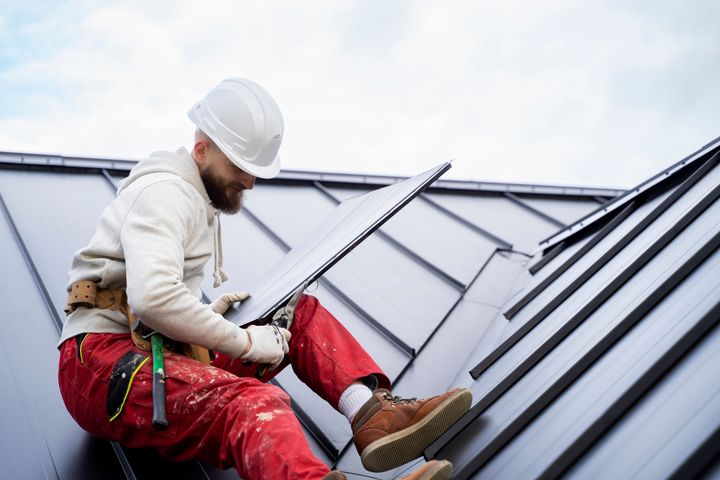
The concept of roof repair has evolved alongside advancements in construction materials and building standards. Traditional visual inspection has expanded to include modern techniques such as moisture scanning, infrared thermography, and flat roof inspection methods. These practices help detect leaks early and prevent damage to ceilings, insulation, and structural components.
The topic exists because buildings require continuous protection from weather exposure. Whether residential roof repair or maintenance of large commercial roofs, timely roof leakage repair supports safety, comfort, and longevity of structures.
Importance – Why It Matters Today and What Problems It Solves
Roof leak detection is increasingly important due to urban expansion, climate variability, and longer building lifespans. Heavy rainfall patterns and extreme weather events can stress roofing materials, making early identification of leaks essential.
This topic affects homeowners, facility managers, architects, and construction professionals. Leaking roof repairs address common problems such as:
-
Water stains on ceilings and walls
-
Mold growth due to trapped moisture
-
Structural weakening of beams and decking
-
Reduced thermal insulation efficiency
-
Damage to electrical systems and interiors
By implementing roof waterproofing solutions and regular flat roof inspection routines, property owners can reduce long-term deterioration. Preventive leaking roof repair also supports energy efficiency by preserving insulation performance and indoor air quality.
Different Types of Roof Leak Detection and Repair
Various methods are used depending on roof design, materials, and severity of damage. Understanding these types helps choose the correct repair strategy.
Visual Leak Detection
This basic method involves inspecting shingles, tiles, seams, flashing, and drainage points for cracks or displacement.
Infrared Thermal Imaging
Uses temperature variations to detect moisture trapped beneath roofing layers. It is widely used for flat roof leak detection in commercial buildings.
Moisture Meter Testing
Handheld devices measure moisture levels within roof components, helping locate hidden leaks.
Water Hose Testing
Controlled water flow is applied to simulate rainfall and observe leak entry points.
Core Sampling Inspection
Small roof samples are examined to identify internal damage, insulation saturation, or membrane failure.
Common repair types include:
-
Patch repairs for localized leaks
-
Flashing resealing around vents and chimneys
-
Membrane reinforcement for flat roofs
-
Shingle or tile replacement
-
Complete waterproof coating applications
These approaches fall under broader categories such as leaking roof repair, residential roof repair, and roof leakage repair depending on building type.
Benefits and Applications
Effective roof repair offers practical benefits across residential, commercial, and institutional buildings. Its applications extend beyond fixing visible leaks.
Key benefits include:
-
Protection of structural integrity and load-bearing elements
-
Prevention of mold and moisture-related health concerns
-
Improved thermal insulation efficiency
-
Enhanced durability of roofing materials
-
Reduced maintenance disruptions over time
Applications of roof waterproofing solutions and leak detection systems include:
-
Apartment complexes and individual homes
-
Warehouses and industrial facilities
-
Educational and healthcare buildings
-
Shopping complexes and offices
-
Heritage and government infrastructure
These applications show how leaking roof repairs support building sustainability and long-term usability.
Table: Common Leak Sources and Recommended Detection Methods
| Leak Source | Detection Method | Suitable Repair Approach |
|---|
| Cracked shingles or tiles | Visual inspection | Shingle replacement |
| Damaged flashing | Hose testing, visual checks | Flashing resealing |
| Flat roof membrane failure | Infrared thermal scanning | Membrane patching or coating |
| Clogged drainage systems | Drain flow observation | Drain clearing and sealing |
| Structural joint gaps | Moisture meter testing | Joint sealing and waterproofing |
Top 5 Leading Provider Company Names
The following organizations are widely recognized in roofing materials, waterproofing technologies, and leak detection solutions. They are included for informational awareness about industry leaders.
-
GAF Materials Corporation
-
Owens Corning
-
Sika AG
-
Tremco Incorporated
-
Carlisle Companies Incorporated
These companies contribute to innovations in roof waterproofing solutions, membranes, coatings, and inspection technologies.
Recent Updates – Trends and Developments in the Past Year
The past year has seen notable changes in roofing maintenance and leak detection technologies. In 2025, the integration of AI-based inspection tools became more common, allowing automated identification of leak-prone areas through image analysis and sensor data.
Drone-assisted flat roof inspection has expanded across large commercial properties. This method improves safety and enables quick assessment of extensive roof surfaces without manual climbing.
Green roofing systems and reflective coatings also gained attention in 2024–2025, as sustainability standards encouraged water-resistant yet eco-friendly materials. Additionally, digital moisture mapping tools released in early 2025 help facility managers monitor leak progression over time.
Another development includes improved elastomeric coatings that provide flexible sealing during temperature expansion and contraction cycles. These advancements enhance the effectiveness of leaking roof repair strategies and reduce the recurrence of leaks.
Laws or Policies – Regulatory Influence on Roof Leak Detection and Repair
Roof repair and waterproofing practices are influenced by building safety regulations, construction codes, and environmental guidelines. In India, roofing maintenance falls under municipal building bylaws and national standards related to structural safety and water protection.
Programs such as Pradhan Mantri Awas Yojana indirectly promote proper roofing and waterproofing in affordable housing projects. Similarly, adherence to the National Building Code (NBC) guidelines ensures roofs meet water resistance and drainage standards.
Environmental policies promoting rainwater harvesting and sustainable construction also affect roof design and maintenance practices. These rules encourage durable waterproofing layers and proper inspection routines to prevent water leakage and material waste.
Building owners and contractors must follow approved safety standards during roof leakage repair work, including fall protection measures and proper disposal of damaged materials.
Tools and Resources – Helpful Platforms and Technologies
Various tools and resources assist professionals and property owners in effective roof leak detection and repair planning.
Helpful tools and platforms include:
-
Infrared thermal imaging cameras for moisture scanning
-
Moisture meters for internal dampness detection
-
Drone inspection platforms for large flat roofs
-
Roofing condition assessment templates and checklists
-
Building maintenance management software systems
Table: Useful Tools and Their Functions
| Tool / Resource | Primary Function |
|---|
| Infrared Thermal Camera | Detect hidden moisture and heat patterns |
| Moisture Meter | Measure dampness within roofing layers |
| Drone Inspection Systems | Survey large or hard-to-reach roofs |
| Digital Maintenance Software | Track inspection and repair schedules |
| Waterproofing Membrane Guide | Select suitable roof waterproofing solutions |
These resources help standardize flat roof inspection procedures and improve maintenance documentation.
FAQs
What are early signs of a leaking roof?
Common indicators include water stains on ceilings, peeling paint, mold growth, and damp insulation. Early detection helps prevent structural deterioration.
How often should roof inspections be conducted?
Routine inspections are typically recommended twice a year and after major storms, especially for flat roof systems prone to water pooling.
Can small leaks cause long-term damage?
Yes, even minor leaks can gradually weaken structural components, reduce insulation efficiency, and encourage mold development if not repaired promptly.
Are waterproof coatings suitable for all roof types?
Waterproof coatings are effective for many surfaces, including concrete and metal roofs, but compatibility should be verified based on material type and climate conditions.
Is professional inspection necessary for flat roofs?
Flat roofs often require specialized flat roof leak detection methods such as thermal imaging, making professional assessment beneficial for accurate diagnosis.
Conclusion
Roof leak detection and repair play a vital role in maintaining safe, durable, and energy-efficient buildings. By identifying moisture intrusion early and applying suitable roof waterproofing solutions, property owners can prevent extensive structural damage and indoor health concerns. The topic continues to evolve with technological advancements such as drone inspections, infrared scanning, and digital maintenance tools.
Understanding different types of leaking roof repair methods, their benefits, and applicable regulations ensures informed maintenance decisions. As climate patterns change and buildings age, proactive flat roof inspection and regular residential roof repair routines remain essential for long-term structural protection.
Informational disclaimer: Any references to repair scope or project planning are general estimates based on typical industry practices. Actual requirements may vary depending on roof condition, materials, and local building standards.