Screw and Bolt Suppliers Basics, Trends and Industry Guide
Screw and bolt suppliers play an important role in industrial and infrastructure systems across the world. These suppliers help distribute fastening components used in machines, buildings, transportation equipment, furniture, electrical systems, and engineering projects. Without reliable fastening products, many structures and mechanical systems would not function safely or efficiently.
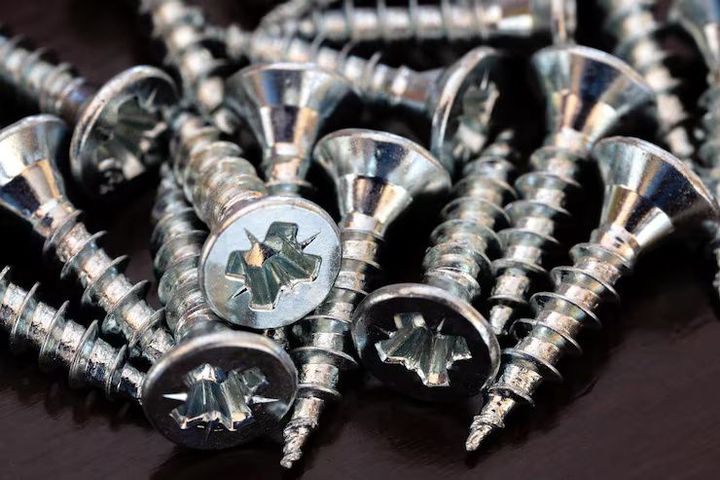
A screw is generally designed to create its own thread while being inserted into a material. A bolt is commonly used with a nut to fasten separate parts together. Although these components are small, they are essential in both heavy industries and household applications.
The screw and bolt supply industry developed alongside industrial manufacturing growth during the 19th and 20th centuries. As factories expanded and machinery became more advanced, standardized fastening systems became necessary. Suppliers emerged to manage inventory, maintain quality standards, and support different industries with specialized fasteners.
Today, suppliers often manage large product categories, including:
- Stainless steel screws
- Industrial bolts
- Threaded fasteners
- Precision machine screws
- High tensile bolts
- Corrosion-resistant fasteners
- Structural fastening systems
These products are used in sectors such as automotive manufacturing, renewable energy projects, electronics, aerospace engineering, and commercial construction.
Why the Screw and Bolt Industry Matters Today
The fastener industry continues to grow because modern infrastructure and manufacturing rely heavily on durable assembly systems. Even advanced technologies such as electric vehicles, robotics, and smart factories require reliable fastening components.
One important reason this sector matters is safety. Poor-quality fasteners may lead to equipment failure, structural weakness, or maintenance issues. Industries therefore focus on certified fastening products that meet engineering standards.
The industry also supports economic development by enabling large-scale construction and industrial production. Roads, railways, bridges, industrial plants, and renewable energy installations all depend on high-performance bolts and screws.
Key Industries That Depend on Fasteners
| Industry Sector | Common Applications |
|---|---|
| Construction | Steel structures, bridges, roofing |
| Automotive | Engines, chassis, interiors |
| Manufacturing | Industrial machines, robotics |
| Energy | Wind turbines, solar systems |
| Electronics | Devices, control panels |
| Aerospace | Aircraft structures, engines |
Another major factor is global supply chain efficiency. Manufacturers often require thousands of standardized components every day. Suppliers help ensure consistent availability and quality management.
Environmental concerns have also influenced the market. Many industries now prefer recyclable metals and corrosion-resistant materials that improve long-term durability and reduce waste.
Recent Updates and Industry Trends
The screw and bolt industry has experienced several important developments during 2025 and early 2026. These changes are linked to manufacturing automation, sustainability goals, and infrastructure investments worldwide.
Increased Demand From Infrastructure Projects
Many countries announced infrastructure expansion programs during 2025. Transportation networks, renewable energy facilities, and industrial modernization projects increased demand for industrial fasteners.
Construction-related fasteners, including stainless steel anchor bolts and structural screws, saw growing use in public infrastructure upgrades.
Smart Manufacturing and Automation
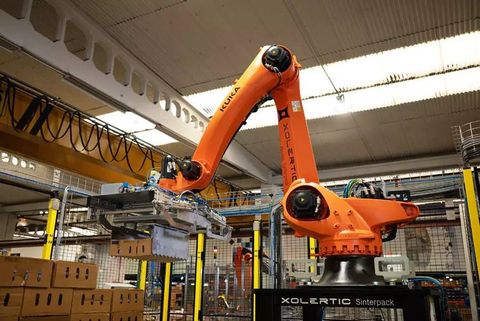
Manufacturers are increasingly using automated production systems to improve precision and reduce material waste. Robotics and artificial intelligence tools are helping improve consistency in fastener manufacturing.
Digital inventory tracking has also become more common. Suppliers now use software systems that monitor stock levels and distribution efficiency in real time.
Growth of Corrosion-Resistant Materials
There is rising interest in advanced coatings and corrosion-resistant metals. Marine projects, renewable energy systems, and outdoor infrastructure require materials that can handle moisture and harsh weather conditions.
Popular materials include:
- Stainless steel
- Zinc-coated alloys
- Titanium fasteners
- Nickel-plated bolts
Sustainability and Recycling Initiatives
Environmental regulations introduced during 2025 encouraged manufacturers to reduce industrial waste and energy consumption. Some producers adopted recycled steel and energy-efficient production systems.
The industry is also focusing on long-lasting fasteners to reduce maintenance frequency and material replacement.
Digital Procurement Trends
Online industrial procurement systems became more common during 2025. Many companies now use digital catalogs, automated specifications, and virtual inventory management systems to improve procurement accuracy.
Regulations and Industry Policies
The screw and bolt sector is influenced by engineering standards, manufacturing regulations, and safety certifications. These rules help maintain product reliability and ensure compatibility across industries.
Different countries follow different standards organizations, but the goal is generally the same: creating safe and consistent fastening systems.
Common Standards Used in the Industry
| Standard Type | Purpose |
| ISO Standards | International fastener dimensions and quality |
| ASTM Standards | Material and performance testing |
| DIN Standards | Engineering and industrial specifications |
| ANSI Standards | Mechanical fastening requirements |
Quality and Safety Regulations
Governments and industrial regulators often require manufacturers to follow strict testing procedures. These may include:
- Tensile strength testing
- Corrosion resistance checks
- Heat treatment verification
- Dimensional accuracy inspections
Construction and aerospace sectors usually apply stricter compliance requirements because fastening failures may create serious safety risks.
Environmental Policies
Environmental rules are becoming more important in the manufacturing industry. Many countries introduced industrial sustainability policies during 2025 aimed at reducing emissions and encouraging recyclable materials.
Fastener manufacturers are increasingly expected to:
- Reduce industrial waste
- Improve energy efficiency
- Use recyclable materials
- Limit hazardous chemical coatings
Trade and Import Regulations
Global supply chains mean that many fasteners are traded internationally. Import regulations may include quality verification, customs documentation, and product certification requirements.
These rules help ensure imported fastening products meet national engineering and safety standards.
Helpful Tools and Resources
People working with screws and bolts often use digital tools and educational resources to improve product selection and technical understanding.
Commonly Used Tools
| Tool Type | Purpose |
| Thread calculators | Determine thread dimensions |
| Torque calculators | Estimate tightening force |
| Material charts | Compare metal properties |
| CAD software | Design engineering systems |
| Inventory software | Track industrial stock |
| Measurement gauges | Verify fastener dimensions |
Educational Resources
Useful learning materials may include:
- Engineering handbooks
- Mechanical design templates
- Manufacturing training guides
- Industrial safety manuals
- Technical specification charts
Digital Management Systems
Modern suppliers and manufacturers frequently use:
- Warehouse tracking platforms
- ERP management systems
- Automated quality inspection software
- Barcode inventory systems
These technologies improve organization, reduce delays, and help maintain consistent quality standards.
Practical Advice for Understanding Fasteners
Understanding basic fastener principles can help improve safety and performance in industrial and construction environments.
Consider Material Compatibility
Different metals react differently under pressure, moisture, and temperature changes. Stainless steel is commonly preferred for corrosion resistance, while carbon steel is often used for heavy structural applications.
Understand Thread Types
Thread patterns affect holding strength and installation methods. Coarse threads are often used for general construction, while fine threads provide better precision in machinery.
Pay Attention to Load Requirements
Industrial applications require fasteners capable of handling vibration, pressure, and weight loads. Engineering calculations help determine the correct tensile strength and material grade.
Storage Conditions Matter
Improper storage may lead to rust, contamination, or reduced durability. Fasteners are usually stored in dry and temperature-controlled environments.
Frequently Asked Questions
What is the difference between a screw and a bolt?
A screw typically creates its own thread during installation, while a bolt usually works with a nut to secure materials together.
Why are industrial fasteners important?
Fasteners help maintain structural stability and mechanical reliability in buildings, machinery, transportation systems, and infrastructure projects.
What materials are commonly used in bolts and screws?
Common materials include stainless steel, carbon steel, brass, titanium, and zinc-coated alloys.
How do suppliers maintain quality standards?
Manufacturers and suppliers often follow international testing standards related to strength, corrosion resistance, and dimensional accuracy.
Why is corrosion resistance important?
Corrosion-resistant fasteners last longer in outdoor, marine, and industrial environments where moisture and chemicals may damage ordinary metals.
Conclusion
Screw and bolt suppliers support a wide range of industries by helping maintain reliable fastening systems used in construction, transportation, manufacturing, and infrastructure development. Although these components are small, they play a critical role in structural safety and industrial efficiency.
Recent developments in automation, sustainability, and material science continue to shape the fastener industry. At the same time, regulations and engineering standards remain essential for maintaining product quality and compatibility.