Safety Gadgets for Emergencies Explained: Basics, Types, Benefits, and Home Security Systems Guide
Safety gadgets for emergencies are devices and systems designed to detect risks, send alerts, and help people respond quickly during unexpected situations. These technologies support individuals and families by providing early warnings and monitoring tools that improve preparedness and response during emergencies.
Understanding Safety Gadgets for Emergencies
Modern safety solutions combine digital monitoring, sensors, and communication technologies. Devices such as a personal emergency alert system, home security alarm system, or fire safety detection systems can identify potential hazards and notify occupants or monitoring centers.
In many homes today, technology plays a growing role in safety planning. Systems such as smart home security systems, wireless home security alarm, and home surveillance security system help monitor activities, detect unusual events, and send alerts through connected devices.
Safety gadgets exist because emergencies can happen without warning. Whether the situation involves fire hazards, break-ins, medical emergencies, or environmental risks, these systems aim to provide timely alerts that allow people to act quickly and reduce potential harm.
Why Emergency Safety Technology Matters Today
Emergency preparedness has become increasingly important as homes and communities adopt more connected technologies. Safety gadgets address multiple risks and support both preventive and reactive safety measures.
Several factors explain why these technologies are widely discussed today:
• Growing use of home safety monitoring service technologies
• Increasing adoption of connected home automation devices
• Higher awareness of disaster preparedness and home safety planning
• Aging populations requiring accessible emergency response systems for home
These systems can assist different groups of people, including:
• Families seeking improved home monitoring
• Older adults who may need quick emergency assistance
• Individuals living alone who require immediate alert tools
• Property managers overseeing residential safety infrastructure
Safety gadgets help solve problems related to delayed emergency response, limited situational awareness, and lack of early warning. For example, fire detection sensors can provide immediate alerts before smoke spreads significantly, while surveillance monitoring systems can notify residents about unusual activity.
Common Types of Safety Gadgets for Emergencies
Emergency safety technology includes a variety of devices designed to address specific risks. These systems often work individually or as part of a connected security network.
| Safety System Type | Purpose | Common Features |
|---|---|---|
| Personal Emergency Alert System | Immediate alert for medical or personal emergencies | Wearable buttons, mobile alerts |
| Home Security Alarm System | Detects unauthorized entry | Motion sensors, door sensors |
| Smart Home Security Systems | Integrated safety monitoring through connected devices | Mobile notifications, automation |
| Wireless Home Security Alarm | Cable-free alarm network | Battery powered sensors |
| Fire Safety Detection Systems | Detect smoke, heat, or fire risks | Smoke detectors, heat sensors |
| Home Surveillance Security System | Video monitoring and recording | Cameras, remote viewing |
| Emergency Response Systems for Home | Integrated safety monitoring with alert routing | Monitoring centers, automated alerts |
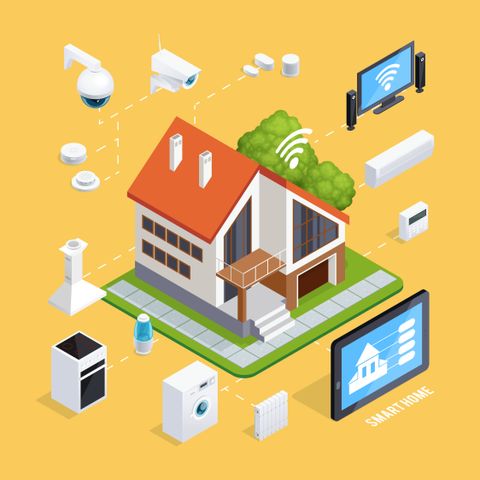
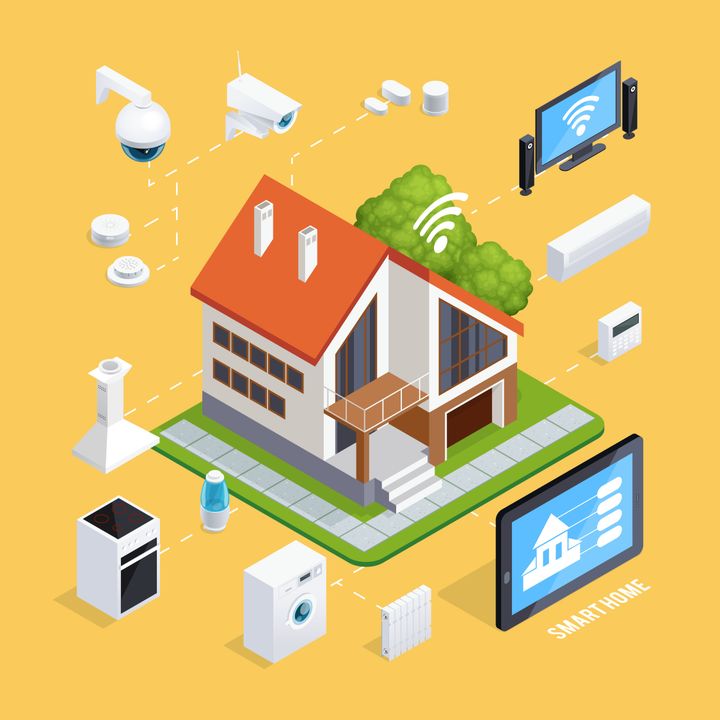
Many modern systems combine multiple features. For instance, a smart home security system may include surveillance cameras, entry sensors, smoke detectors, and remote monitoring through a single application.
Benefits and Practical Applications
Emergency safety gadgets provide several practical benefits when used as part of a household safety strategy.
Improved Early Detection
Sensors and monitoring technologies can detect potential hazards early. Smoke detectors, motion sensors, and environmental monitors provide alerts before problems escalate.
Faster Emergency Awareness
Devices such as a personal emergency alert system allow individuals to quickly send signals for assistance in urgent situations.
Remote Monitoring
With the growth of connected technology, a home surveillance security system enables homeowners to observe activity through mobile devices, providing awareness even when they are away.
Support for Vulnerable Populations
Older adults or individuals with health conditions may benefit from emergency response systems for home that provide quick notification options during medical events.
Integrated Safety Ecosystems
Many homes now combine multiple technologies, including:
• Wireless alarm sensors
• Fire detection devices
• Entry monitoring systems
• Surveillance cameras
• Safety alert applications
Together, these create a comprehensive safety network that helps households respond more effectively to potential emergencies.
Leading Companies Known for Emergency Safety Technologies
Several global technology providers develop security and emergency safety systems used in residential and commercial environments.
| Company | Area of Focus |
|---|---|
| ADT Inc. | Home security monitoring and alarm technologies |
| Honeywell International | Fire detection systems and building safety technologies |
| Johnson Controls | Smart building safety and integrated security systems |
| Bosch Security Systems | Surveillance technology and safety monitoring solutions |
| Vivint | Smart home security systems and connected monitoring tools |
These companies contribute to advancements in sensor technology, automation platforms, and remote monitoring capabilities.
Note: The companies listed above represent widely recognized industry participants. Technologies, packages, and pricing structures may vary depending on region, system features, and installation requirements.
Recent Updates and Industry Trends
The past year has seen several developments in the emergency safety technology sector.
2025 – AI Integration in Security Monitoring
Many manufacturers introduced artificial intelligence features that help analyze surveillance footage. AI tools can identify unusual activity patterns and reduce false alerts from motion sensors.
2025 – Growth of Wireless Home Security Systems
Wireless sensors and battery-powered devices have become more common because they allow easier installation and expansion without extensive wiring.
Early 2026 – Smart Device Integration
Several platforms began integrating safety gadgets with voice assistants and home automation systems. This allows users to manage alarms, surveillance cameras, and environmental sensors through unified dashboards.
Increased Focus on Fire Detection Technology
Following several international building safety initiatives during 2024–2025, attention has grown around advanced fire safety detection systems that include multi-sensor smoke and heat detection technologies.
Overall, safety gadgets continue evolving toward connected ecosystems that combine monitoring, automation, and data analytics.
Regulations and Safety Policies
Emergency safety technologies are influenced by building safety regulations, fire safety standards, and communication protocols established by government agencies and international organizations.
In India and many other countries, building codes may require certain safety equipment such as smoke detectors and fire alarms in residential or commercial buildings.
Examples of regulatory frameworks include:
• National Disaster Management Authority – promotes emergency preparedness and disaster risk reduction policies in India.
• Bureau of Indian Standards – develops technical standards for safety equipment including fire detection systems.
• National Building Code of India – includes guidelines for fire protection and building safety infrastructure.
Compliance with these regulations helps ensure safety technologies meet required operational and performance standards.
Tools and Resources for Learning About Emergency Safety Systems
People researching safety gadgets often rely on educational tools and resources to better understand available technologies.
Common resources include:
Mobile Applications
• Smart home control applications used to manage connected security systems
• Monitoring apps connected to surveillance cameras or alarm sensors
Online Safety Resources
• Government disaster preparedness guides
• Home safety planning checklists
• Emergency response preparedness websites
Technical Tools
| Tool or Resource | Purpose |
|---|---|
| Home safety risk assessment templates | Identify safety gaps in households |
| Fire safety checklists | Evaluate fire detection readiness |
| Smart home dashboards | Monitor integrated security systems |
| Surveillance monitoring software | Manage camera systems |
These tools help households evaluate safety needs and learn about available technologies for emergency preparedness.
Frequently Asked Questions About Safety Gadgets for Emergencies
What is a personal emergency alert system?
A personal emergency alert system is a device that allows an individual to send an alert during urgent situations. Many systems use wearable buttons or mobile devices that trigger notifications to contacts or monitoring services.
How does a home security alarm system work?
A home security alarm system typically uses sensors placed on doors, windows, or inside rooms. When unusual activity is detected, the system sends alerts or triggers alarms.
What is the difference between wireless and traditional security systems?
A wireless home security alarm relies on radio signals and battery-powered sensors instead of physical wiring. This allows flexible installation and easier expansion of the system.
Are fire detection systems part of home security technology?
Yes. Fire safety detection systems are often integrated into smart home security systems to provide early alerts when smoke or heat is detected.
Can safety gadgets be connected to mobile devices?
Many modern systems connect to mobile applications, allowing users to monitor alerts, camera feeds, and sensor activity remotely.
Conclusion
Safety gadgets for emergencies play an important role in modern home preparedness. From personal emergency alert system devices to home surveillance security system technologies, these tools help households detect risks, send alerts, and respond more effectively to unexpected events.
The growth of connected technologies has transformed traditional alarm systems into integrated safety networks. Features such as remote monitoring, wireless sensors, and automated alerts allow homeowners to maintain awareness and improve response times.
As technology continues evolving, emergency safety systems are expected to become more intelligent, interconnected, and accessible. Understanding the available tools, regulations, and resources can help individuals make informed decisions about home safety planning.
Informational Disclaimer: References to technology systems, features, or providers in this article are for educational purposes only. Specifications, pricing structures, or service availability may vary depending on region, installation requirements, and technological updates.