Table of Contents

Luxury Interior Designing: Modern Trends, Smart Features, and Design Innovation Insights

Luxury Interior Designing: Modern Trends, Smart Features, and Design Innovation Insights

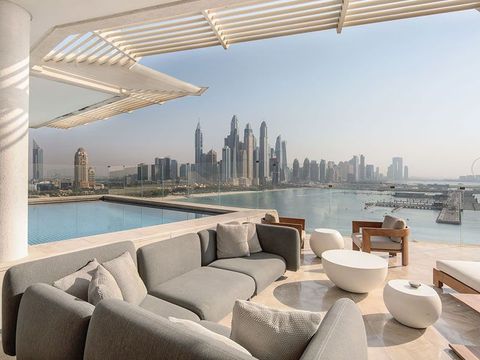
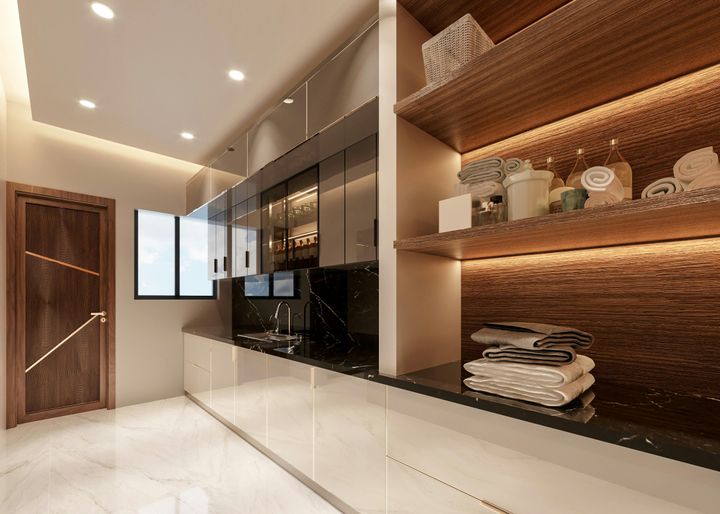
Luxury interior designing is the practice of creating aesthetically refined, functional, and personalized interior spaces through the thoughtful use of materials, layouts, furnishings, lighting, technology, and architectural elements. While luxury interiors are often associated with premium finishes and sophisticated aesthetics, modern luxury design increasingly focuses on comfort, sustainability, wellness, and smart living experiences.
Luxury interior design can be applied to residential properties, apartments, villas, hotels, corporate offices, hospitality spaces, retail environments, and cultural institutions.

High CPC keywords associated with this topic include luxury home design, smart home technology, interior architecture, premium home décor, residential design solutions, sustainable interior materials, property enhancement, home automation systems, and architectural design trends.

As lifestyles evolve and technology becomes more integrated into everyday living, luxury interior design continues adapting to meet changing expectations.

Why Luxury Interior Design Matters Today

Interior spaces influence how people live, work, relax, and interact with their surroundings. Modern luxury design emphasizes functionality alongside visual appeal.

Luxury interior design helps address objectives such as:

  • Space optimization
  • Enhanced comfort
  • Improved functionality
  • Personalized environments
  • Smart technology integration
  • Long-term design adaptability

These design principles affect homeowners, architects, designers, hospitality professionals, property developers, and commercial organizations.

Growing interest in wellness, sustainability, and smart technologies has expanded the role of luxury interior design beyond traditional aesthetics.

Key Elements of Luxury Interior Design

Modern luxury interiors often combine multiple design elements to create balanced environments.

Common components include:

  • Premium-quality materials
  • Architectural detailing
  • Customized layouts
  • Advanced lighting systems
  • Smart home integration
  • Sustainable design features

The combination of these elements helps create visually appealing and highly functional spaces.

Common Luxury Design Styles

Design StyleCharacteristics
Contemporary LuxuryClean lines and modern aesthetics
Minimalist LuxurySimplicity with refined materials
Classic LuxuryTraditional detailing and elegance
Modern OrganicNatural materials and soft textures
Transitional DesignBlend of classic and contemporary elements

Each style reflects different design preferences while maintaining a focus on quality and functionality.

Modern Trends in Luxury Interior Design

The luxury design industry continues evolving to reflect changing lifestyles and technological advancements.

Current trends include:

  • Open-concept living spaces
  • Sustainable materials
  • Multifunctional interiors
  • Wellness-focused environments
  • Smart home integration
  • Personalized design experiences

Designers increasingly prioritize spaces that balance beauty, comfort, and practical functionality.

Smart Home Features in Luxury Interiors

Technology has become an essential component of modern luxury design.

Common smart features include:

  • Automated lighting systems
  • Smart climate control
  • Voice-controlled devices
  • Intelligent security systems
  • Motorized window treatments
  • Energy management systems

These technologies contribute to convenience, efficiency, and enhanced user experiences.

Popular Luxury Interior Features

FeaturePurpose
Smart LightingAutomated illumination control
Integrated Audio SystemsEnhanced entertainment experiences
Custom Storage SolutionsSpace optimization
Designer KitchensFunctionality and aesthetics
Wellness SpacesComfort and relaxation
Smart Security SystemsSafety and monitoring

These features are commonly incorporated into contemporary luxury environments.

Sustainable Luxury Design

Sustainability has become an increasingly important consideration within luxury interiors.

Common sustainable approaches include:

  • Recycled materials
  • Energy-efficient lighting
  • Eco-friendly finishes
  • Natural ventilation strategies
  • Sustainable wood sourcing
  • Water-efficient fixtures

Many designers seek to combine environmental responsibility with premium aesthetics.

Role of Materials in Luxury Interiors

Materials significantly influence the appearance and functionality of interior spaces.

Common materials include:

  • Natural stone
  • Hardwood
  • Glass
  • Metal accents
  • Sustainable composites
  • Textured fabrics

Material selection often reflects both design objectives and performance requirements.

Design Innovation and Technology

Innovation continues reshaping interior design practices.

Emerging technologies include:

  • 3D visualization software
  • Virtual reality design reviews
  • AI-assisted space planning
  • Smart furniture integration
  • Digital project management tools
  • Building automation systems

These technologies help improve design accuracy, collaboration, and project planning.

Industry Examples and Design Organizations

Several organizations contribute to advancements in architecture, interior design, and smart living technologies.

Examples include:

  • American Society of Interior Designers
  • International Interior Design Association
  • Royal Institute of British Architects

Technology companies influencing smart interior environments include:

These examples are provided solely for educational purposes.

Recent Trends and Updates (2025–2026)

Several developments have influenced luxury interior design over the past year.

Key trends include:

  • Increased smart home adoption
  • Growth of wellness-centered interiors
  • Expansion of sustainable design practices
  • AI-assisted design planning tools
  • Flexible living and working spaces
  • Biophilic design integration

Many design professionals are incorporating technology-driven solutions while maintaining strong aesthetic principles.

Luxury Interior Design Process Overview

Design PhaseMain Focus
PlanningSpace requirements and goals
Concept DevelopmentStyle and design direction
Material SelectionFinishes and textures
Technology IntegrationSmart systems planning
ImplementationDesign execution
EvaluationPerformance and functionality review

This process helps ensure cohesive and practical design outcomes.

Laws and Policies Affecting Interior Design

Interior design projects may be influenced by various regulations and standards.

Important considerations include:

  • Building codes
  • Fire safety regulations
  • Accessibility requirements
  • Energy efficiency standards
  • Environmental regulations
  • Smart building compliance guidelines

Design professionals often work within these frameworks to ensure safety and functionality.

Tools and Resources

Useful resources related to luxury interior design include:

  • Interior design software
  • 3D visualization tools
  • Smart home planning platforms
  • Material selection databases
  • Sustainability assessment guides
  • Architectural design resources
  • Space planning templates
  • Lighting design applications

Educational institutions and professional organizations also provide research and design guidance.

Frequently Asked Questions

What is luxury interior designing?
Luxury interior designing involves creating visually refined, functional, and personalized spaces using high-quality materials, thoughtful layouts, and innovative design elements.

What are the most popular luxury design trends in 2026?
Smart home integration, sustainable materials, wellness-focused spaces, multifunctional layouts, and biophilic design are among the leading trends.

How does smart technology improve interior design?
Smart technology can enhance convenience, energy efficiency, security, lighting control, climate management, and overall user experience.

What materials are commonly used in luxury interiors?
Natural stone, hardwood, premium metals, glass, sustainable materials, and high-quality textiles are frequently incorporated into luxury spaces.

Why is sustainability important in modern luxury design?
Sustainable design helps reduce environmental impact while supporting energy efficiency, resource conservation, and long-term functionality.

Conclusion

Luxury interior designing has evolved beyond traditional notions of elegance and premium aesthetics. Today, it combines sophisticated design principles with smart technologies, sustainability initiatives, wellness-focused planning, and innovative materials. These elements work together to create environments that are both visually appealing and highly functional.

As smart homes, sustainable architecture, and digital design technologies continue advancing, luxury interiors are expected to become increasingly personalized, efficient, and adaptable. Understanding modern trends, design principles, smart features, and industry innovations provides valuable insight into the future of premium interior environments.

Disclaimer

This article is intended solely for informational and educational purposes. It does not promote, advertise, recommend, or endorse any interior design firm, furniture manufacturer, décor brand, architectural company, or commercial organization. References to companies, products, technologies, and design concepts are included only to explain industry developments and design practices. This content should not be considered professional architectural, engineering, construction, or interior design advice.

author-image

Ravi Shankar Maurya

We create purposeful content that speaks, resonates, and drives action.

June 03, 2026 . 12 min read