Table of Contents

Dubai Property Guide: Residential Options, Market Basics, and Real Estate Information

Dubai Property Guide: Residential Options, Market Basics, and Real Estate Information

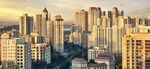
Dubai has developed into one of the world's most recognized urban centers, attracting residents, professionals, entrepreneurs, investors, and visitors from across the globe. Known for its modern infrastructure, large-scale developments, and diverse residential communities, Dubai offers a wide range of housing options that cater to different lifestyles and preferences.

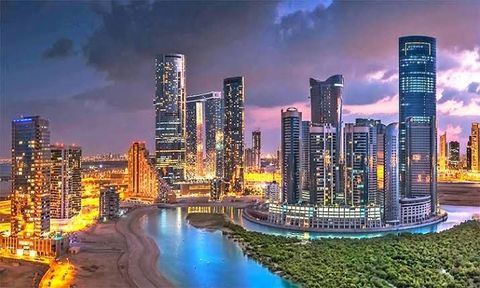
The city's real estate sector has evolved significantly over the past two decades, supported by urban development, international business activity, tourism growth, and infrastructure expansion. As a result, residential property remains one of the most discussed sectors within Dubai's economy.

This guide explores Dubai residential property concepts, housing options, community characteristics, and real estate fundamentals from an educational perspective. It does not provide investment, legal, financial, tax, immigration, or property purchasing advice.

Understanding Dubai's Real Estate Market

Dubai's property market includes a variety of residential developments ranging from apartments and townhouses to villas and mixed-use communities.

Common property categories include:

  • Apartments
  • Villas
  • Townhouses
  • Serviced residences
  • Waterfront properties
  • Mixed-use developments

Property availability and features vary across different districts and communities.

Why Dubai Attracts Global Residents

Several factors contribute to Dubai's international appeal.

Commonly cited factors include:

  • Modern infrastructure
  • Global business environment
  • Transportation connectivity
  • Diverse communities
  • Lifestyle amenities
  • Urban development

These characteristics have contributed to Dubai's position as a major international city.

Residential Property Types

Dubai offers multiple residential formats designed for different household needs.

Apartments

Apartments are among the most common residential property types.

Features may include:

  • Urban locations
  • Shared amenities
  • Building services
  • Community facilities

Villas

Villa communities often provide:

  • Larger living spaces
  • Private outdoor areas
  • Family-oriented environments
  • Community facilities

Townhouses

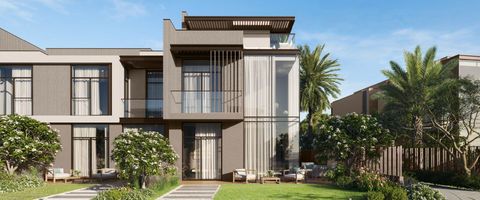
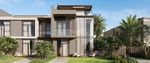
Townhouses typically combine elements of both villas and apartment living, offering private entrances within planned residential communities.

Freehold and Leasehold Concepts

Property ownership structures may vary according to location and regulations.

Common concepts include:

  • Freehold ownership
  • Leasehold arrangements
  • Community regulations
  • Property management systems

Ownership frameworks are subject to applicable laws and regulatory requirements.

Popular Residential Communities

Dubai contains numerous planned residential districts.

Examples of widely recognized communities include:

  • Dubai Marina
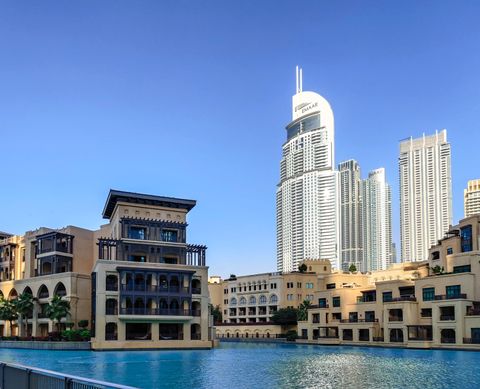
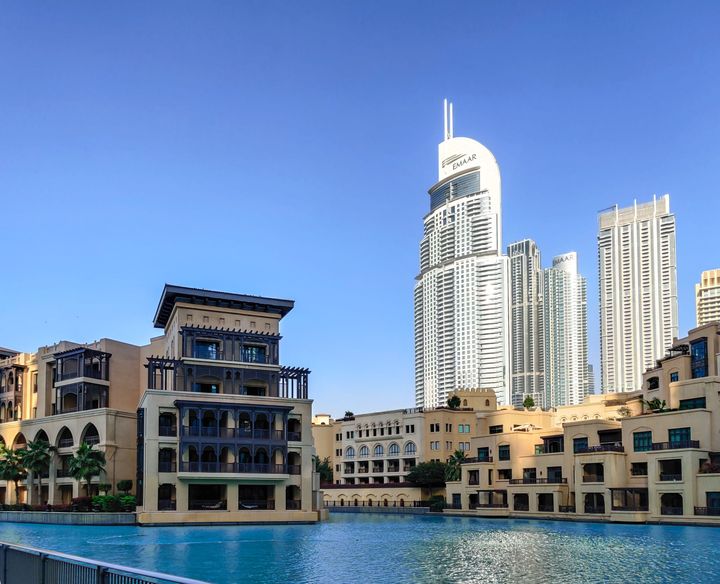
  • Downtown Dubai
  • Palm Jumeirah
  • Jumeirah Village Circle
  • Arabian Ranches

Each community offers unique characteristics, amenities, and residential environments.

Dubai Marina Lifestyle

Dubai Marina is known for its waterfront setting, residential towers, and leisure-oriented environment.

Common characteristics include:

  • Marina views
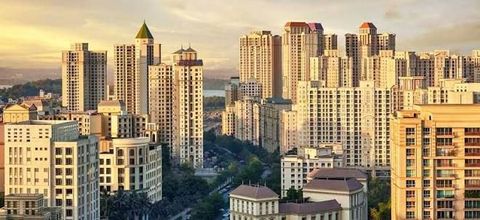
  • High-rise residences
  • Dining establishments
  • Walkable areas
  • Recreational facilities

The district remains one of Dubai's most recognizable residential locations.

Downtown Dubai

Downtown Dubai serves as a major commercial and residential area.

Features may include:

  • Mixed-use developments
  • Urban lifestyle amenities
  • Business connectivity
  • Retail destinations
  • Landmark attractions

Its central location contributes to its popularity among residents and visitors.

Waterfront Living Concepts

Waterfront developments are a prominent feature of Dubai's urban landscape.

Potential advantages may include:

  • Scenic views
  • Recreational access
  • Lifestyle amenities
  • Community facilities

Waterfront communities continue to play an important role in residential development.

Community Amenities

Many modern residential communities provide shared facilities.

Examples may include:

  • Parks
  • Fitness centers
  • Swimming pools
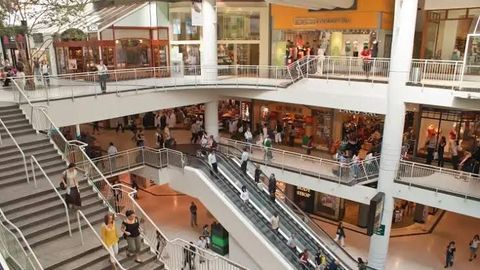
  • Retail areas
  • Walking paths
  • Community centers

Amenity offerings vary by development and management structure.

Transportation and Connectivity

Transportation accessibility is often a key consideration when evaluating residential locations.

Factors may include:

  • Road infrastructure
  • Public transportation access
  • Metro connectivity
  • Business district proximity
  • Airport accessibility

Connectivity can influence both convenience and lifestyle preferences.

Property Management and Maintenance

Residential developments frequently utilize professional property management systems.

Common responsibilities may include:

  • Building maintenance
  • Community services
  • Security management
  • Facility operations
  • Shared area upkeep

Management structures vary across developments.

Smart Home Technology

Modern residential projects increasingly incorporate technology-focused features.

Examples may include:

  • Smart lighting systems
  • Connected security features
  • Energy management tools
  • Automated controls
  • Digital access systems

Technology integration continues shaping contemporary housing experiences.

Sustainability in Residential Development

Sustainability has become an important consideration within urban planning and construction.

Areas of focus may include:

  • Energy efficiency
  • Water conservation
  • Green building practices
  • Sustainable materials
  • Environmental planning

Approaches differ among developers and projects.

Understanding Market Cycles

Real estate markets are influenced by numerous economic and demographic factors.

Examples include:

  • Population growth
  • Infrastructure development
  • Employment activity
  • Housing demand
  • Economic conditions

Market conditions may change over time and vary across locations.

Real Estate Technology Trends

Technology continues transforming the property sector.

Examples include:

  • Virtual property tours
  • Digital documentation
  • Smart building systems
  • Online transaction platforms
  • Data-driven market analysis

Digital innovation is becoming increasingly important within modern real estate operations.

Dubai Property Trends in 2026

Several developments continue influencing Dubai's residential market.

Current trends include:

  • Smart community development
  • Sustainable housing initiatives
  • Mixed-use urban projects
  • Technology-enabled residences
  • Enhanced lifestyle amenities
  • Flexible living concepts
  • Digital property services
  • Community-focused development planning

These trends reflect broader changes occurring within global urban development and real estate sectors.

Frequently Asked Questions

What types of residential properties are available in Dubai?

Common options include apartments, villas, townhouses, serviced residences, and mixed-use developments.

Why is Dubai known for residential development?

The city has experienced extensive urban growth supported by infrastructure investment and large-scale development projects.

What are community amenities?

Community amenities may include parks, fitness facilities, swimming pools, retail spaces, and recreational areas.

Why is transportation important when choosing a property?

Accessibility can influence convenience, commuting efficiency, and overall residential experiences.

How is technology influencing modern housing?

Smart home systems, digital services, and connected building technologies are increasingly integrated into residential developments.

Conclusion

Dubai's residential property sector reflects the city's broader transformation into a global urban destination. Through diverse housing options, master-planned communities, waterfront developments, and technology-enabled living environments, the city offers a wide range of residential experiences.

Understanding property types, community characteristics, infrastructure considerations, and evolving market trends can provide valuable insight into one of the world's most dynamic real estate landscapes.

Disclaimer

This article is intended solely for informational and educational purposes. It does not provide investment, legal, financial, tax, immigration, property purchasing, mortgage, valuation, or professional real estate advice. It does not endorse, recommend, compare, rank, review, market, or promote any property, developer, community, brokerage, project, or real estate service. Property regulations, ownership structures, market conditions, and development plans may change over time. Readers should consult qualified legal, financial, and real estate professionals before making property-related decisions.


author-image

Ravi Shankar Maurya

We create purposeful content that speaks, resonates, and drives action.

June 19, 2026 . 9 min read