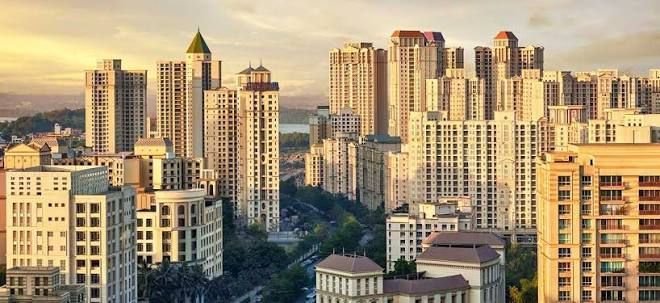
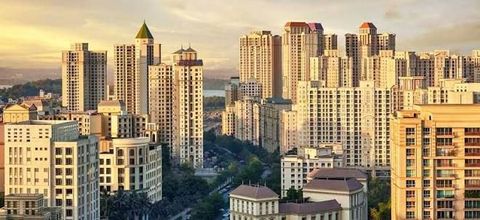
Luxury property represents a distinct segment of this market. It is generally associated with larger living spaces, premium architecture, advanced amenities, desirable views, privacy, high-quality materials, and sophisticated building infrastructure.
Mumbai's luxury residential segment has also evolved alongside changing buyer preferences. Modern premium homes increasingly incorporate smart-home technology, wellness facilities, sustainable design, private recreational spaces, and high-performance building systems.
This guide explains the concept of luxury property in Mumbai, major property types, common features, market trends, evaluation factors, and important considerations for researching premium residential real estate.
1. What Is Luxury Property?
Luxury property generally refers to residential real estate positioned toward the premium end of a market.
There is no single universal definition of a luxury home. The classification can depend on:
-
Property value
-
Size
-
Location characteristics
-
Architecture
-
Interior quality
-
Amenities
-
Privacy
-
Views
-
Building infrastructure
-
Brand or development reputation
A luxury property is therefore better understood as a combination of quality, exclusivity, design, location, and living experience rather than one specific specification.
2. Mumbai's Luxury Residential Market
Mumbai's premium residential market includes several formats:
-
Luxury apartments
-
Penthouses
-
Duplex residences
-
Triplex residences
-
Large sea-facing homes
-
Branded residences
-
High-end villas
-
Premium redevelopment projects
-
Boutique residential developments
High-rise apartments are particularly significant because of Mumbai's limited land availability and dense urban environment.
3. Luxury Apartments
Luxury apartments can offer a combination of large floor plans and extensive building amenities.
Common characteristics include:
-
Spacious living areas
-
Multiple bedrooms
-
Premium kitchens
-
Large balconies
-
Private elevators
-
High-quality flooring
-
Advanced climate control
-
Dedicated parking
-
Security systems
The actual specifications vary considerably between developments.
4. Penthouses
A penthouse is generally a premium residential unit located on the upper levels of a building.
Potential features include:
-
Larger floor area
-
Private terraces
-
Panoramic views
-
Higher ceilings
-
Private access
-
Outdoor entertainment areas
-
Premium interiors
Penthouses can be particularly distinctive because they combine apartment living with features normally associated with standalone homes.
5. Duplex and Triplex Homes
Duplex and triplex residences use multiple floors within a single residential unit.
Their layouts can include:
-
Separate living and dining zones
-
Multiple bedrooms
-
Private staircases
-
Entertainment areas
-
Home offices
-
Private terraces
Vertical separation can create distinct zones for family, work, and leisure.
6. Sea-View Luxury Homes
Mumbai's coastal setting makes views an important characteristic of some premium residences.
Sea-facing properties can offer:
-
Open views
-
Large windows
-
Balconies
-
Expansive terraces
-
Natural light
However, view quality can change because of future construction, surrounding buildings, weather conditions, and building orientation.
7. Luxury Villas
Villas provide a different form of premium living compared with high-rise apartments.
Potential features include:
-
Private gardens
-
Multiple floors
-
Outdoor areas
-
Private parking
-
Larger rooms
-
Swimming pools
-
Private recreational spaces
Standalone villas are less common within Mumbai's dense urban core than luxury apartments and high-rise residences.
8. Branded Residences
Branded residences combine residential property with a recognizable hospitality or lifestyle brand.
Potential features can include:
-
Branded interiors
-
Concierge facilities
-
Premium amenities
-
Hospitality-oriented management
-
Dedicated resident services
The characteristics of each development depend on its specific brand, operator, design, and management structure.
9. Boutique Luxury Residences
Boutique developments generally have a smaller number of residences compared with large residential complexes.
Potential advantages include:
-
Greater privacy
-
Lower resident density
-
Distinctive architecture
-
Personalized common spaces
-
Exclusive amenities
However, smaller developments should still be evaluated for maintenance, building management, and long-term infrastructure.
10. Architecture and Design
Architecture plays a major role in premium residential properties.
Luxury developments may emphasize:
-
Contemporary design
-
Large glass surfaces
-
Natural materials
-
Double-height spaces
-
Sculptural architecture
-
Landscaped areas
-
Large balconies
-
Integrated lighting
Good design combines appearance with functionality.
11. Premium Interior Design
Interior quality can significantly influence the experience of a luxury residence.
Common elements include:
-
Natural stone
-
Hardwood
-
Premium fixtures
-
Custom cabinetry
-
Designer lighting
-
Large-format tiles
-
High-quality sanitary fittings
-
Bespoke furniture
Material selection should be considered alongside durability and maintenance requirements.
12. Smart Home Technology
Smart-home systems are increasingly common in premium residences.
Features can include:
-
Automated lighting
-
Smart curtains
-
Climate control
-
Digital locks
-
Security monitoring
-
Voice control
-
Home entertainment
-
Energy monitoring
A well-designed smart-home system should be reliable, secure, easy to operate, and compatible with future technology.
13. Private Elevators
Some premium homes provide direct elevator access.
Private or semi-private elevator systems can improve:
-
Privacy
-
Convenience
-
Security
-
Accessibility
The elevator design and access-control system should be evaluated as part of the building's overall infrastructure.
14. Luxury Kitchens
Modern premium kitchens may feature:
-
High-quality countertops
-
Integrated appliances
-
Custom cabinets
-
Large storage systems
-
Island counters
-
Advanced ventilation
-
Dedicated utility areas
The most useful kitchen is not necessarily the most decorative; functionality, storage, ventilation, and maintenance also matter.
15. Premium Bathrooms
Luxury bathrooms can include:
-
Large-format stone
-
Rain showers
-
Freestanding bathtubs
-
Premium fixtures
-
Heated systems
-
Smart mirrors
-
Ambient lighting
Waterproofing and ventilation are particularly important in humid coastal environments.
16. Wellness Amenities
Wellness has become an important part of modern premium residential design.
Facilities can include:
-
Fitness centers
-
Yoga studios
-
Meditation areas
-
Spa-style spaces
-
Swimming pools
-
Walking areas
-
Sports facilities
These amenities can influence both lifestyle and overall property positioning.
17. Private Fitness Spaces
Some luxury developments provide private or semi-private fitness facilities.
Possible features include:
-
Modern exercise equipment
-
Strength-training areas
-
Cardio zones
-
Yoga rooms
-
Personal training spaces
-
Indoor wellness facilities
The quality of equipment, ventilation, maintenance, and operating hours should be considered.
18. Swimming Pools
Premium residential developments may provide:
-
Rooftop pools
-
Infinity-style pools
-
Indoor pools
-
Children's pools
-
Temperature-controlled pools
Pool design is only one factor; maintenance standards and water-management systems are equally important.
19. Security Systems
Security can include several layers.
Examples include:
-
CCTV
-
Access cards
-
Video intercoms
-
Digital entry systems
-
Security personnel
-
Visitor-management systems
-
Smart locks
Technology should complement rather than replace appropriate building-management practices.
20. Parking Facilities
Parking is particularly relevant in dense urban environments.
Premium properties may provide:
-
Multiple parking spaces
-
Covered parking
-
Automated parking systems
-
EV charging points
-
Visitor parking
-
Valet-style facilities
Parking requirements can vary significantly between households.
21. Electric Vehicle Infrastructure
Luxury developments increasingly consider EV charging as part of modern building infrastructure.
Potential features include:
-
Dedicated charging points
-
Shared EV charging facilities
-
Electrical load management
-
Smart charging
-
Future charging capacity
As EV adoption increases, charging infrastructure may become a more important consideration for premium residential buildings.
22. Sustainable Luxury
Modern luxury does not necessarily mean excessive resource consumption.
Sustainable premium residences may incorporate:
-
Energy-efficient cooling
-
Solar systems
-
Water recycling
-
Efficient lighting
-
Green landscaping
-
Rainwater management
-
Waste segregation
-
Energy monitoring
Sustainability can improve building efficiency while supporting environmental objectives.
23. Natural Light and Ventilation
Large windows and open layouts can increase natural light.
Important considerations include:
-
Building orientation
-
Window size
-
Glazing
-
Shading
-
Cross ventilation
-
Indoor air quality
In Mumbai's climate, cooling efficiency and moisture management are particularly relevant.
24. Views and Orientation
A premium property's orientation can influence its appeal.
Possible views include:
-
Sea
-
Skyline
-
Cityscape
-
Parks
-
Gardens
-
Open landscapes
View quality should be assessed carefully because surrounding construction can change the visual environment over time.
25. Privacy
Privacy can be an important differentiator in luxury real estate.
Potential privacy features include:
-
Limited residences per floor
-
Private elevators
-
Controlled access
-
Separate entrances
-
Large setbacks
-
Private outdoor spaces
Privacy should be evaluated both within the residence and throughout the building.
26. Location Factors
When researching premium property, location should be assessed beyond a simple neighborhood name.
Important factors include:
-
Road connectivity
-
Public transport
-
Schools
-
Healthcare
-
Retail
-
Dining
-
Recreation
-
Employment centers
-
Airports
-
Coastal access
-
Future infrastructure
Accessibility can have a major influence on long-term residential demand.
27. Mumbai Luxury Property Market Trends
Mumbai's premium residential market has experienced strong activity in recent years.
Knight Frank's India Real Estate Report for 2025 reported that Mumbai recorded 97,188 residential sales during 2025, representing 1% annual growth, while residential sales in the ₹1 crore and above segment increased by 7% year over year.
The report also noted that Mumbai's residential market remained supported by premium-segment demand despite broader affordability pressures.
These figures illustrate the importance of studying individual price segments rather than treating the entire residential market as one category.
28. Premium Segment Growth
The premium residential segment can respond differently from entry-level housing.
Demand may be influenced by:
-
Household wealth
-
Business activity
-
Financial markets
-
New project launches
-
Redevelopment
-
Lifestyle preferences
-
Limited premium inventory
Market performance should therefore be evaluated by property segment.
29. Redevelopment and Luxury Housing
Redevelopment is an important feature of Mumbai's real estate landscape.
Older buildings can be replaced or reconstructed with modern residential developments.
Potential outcomes include:
-
Larger apartments
-
Modern amenities
-
Improved infrastructure
-
Better building systems
-
Contemporary architecture
-
Additional common facilities
Redevelopment projects require careful evaluation of approvals, timelines, developer history, and project documentation.
30. New Luxury Developments
New developments can introduce modern residential concepts into the market.
Features may include:
-
High-rise architecture
-
Smart-home systems
-
Wellness facilities
-
Premium landscaping
-
Energy-efficient systems
-
Advanced security
-
EV infrastructure
However, newer construction should still be evaluated for quality, delivery, maintenance, and long-term management.
31. Property Size
Luxury properties generally provide more space, but size alone should not determine quality.
Consider:
-
Carpet area
-
Built-up area
-
Number of bedrooms
-
Living areas
-
Storage
-
Outdoor space
-
Ceiling height
-
Circulation
Usable space can be more important than headline floor area.
32. Carpet Area vs Built-Up Area
Understanding area terminology is essential.
Carpet area generally refers to the usable floor area within the internal walls of a dwelling, subject to the applicable legal definition.
Built-up area can include the carpet area plus certain structural and other components.
When comparing properties, it is important to compare equivalent measurements.
33. Building Amenities
Luxury residential buildings may provide extensive shared facilities.
Examples include:
-
Clubhouses
-
Fitness centers
-
Pools
-
Landscaped gardens
-
Lounges
-
Children's areas
-
Business lounges
-
Sports facilities
-
Multipurpose rooms
The usefulness of amenities depends on quality, maintenance, accessibility, and actual resident needs.
34. Property Management
A premium building requires effective long-term management.
Management can cover:
-
Maintenance
-
Security
-
Common areas
-
Elevators
-
Landscaping
-
Utilities
-
Repairs
-
Resident facilities
High-quality interiors cannot compensate for poor building management.
35. Maintenance Considerations
Luxury properties can have more complex systems than conventional homes.
Potential maintenance areas include:
-
Central air conditioning
-
Smart-home equipment
-
Elevators
-
Swimming pools
-
Water systems
-
Security systems
-
Premium finishes
-
Automated systems
Understanding maintenance requirements helps provide a more realistic picture of long-term ownership.
36. Luxury Property and Investment Research
Premium residential real estate can be researched using several indicators.
Useful information includes:
-
Recent transactions
-
Comparable properties
-
Rental activity
-
New project launches
-
Unsold inventory
-
Absorption
-
Construction pipeline
-
Infrastructure changes
A single listing price should not be treated as a complete measure of market value.
37. Rental Market
Some luxury properties are occupied by tenants rather than owners.
Rental demand can be influenced by:
-
Property quality
-
Location
-
Furnishing
-
Building amenities
-
Privacy
-
Parking
-
Corporate demand
-
International resident demand
Rental analysis should compare similar properties rather than the wider residential market.
38. Property Valuation
Luxury property valuation can be more complex than standard residential valuation because unique features may be difficult to compare.
Factors can include:
-
Location
-
Floor
-
View
-
Area
-
Layout
-
Building quality
-
Amenities
-
Parking
-
Privacy
-
Recent comparable transactions
Professional valuation can provide additional context when necessary.
39. Documentation and Due Diligence
Property documentation should be reviewed carefully.
Depending on the transaction, documentation can include:
-
Title information
-
Sale agreements
-
Building approvals
-
Property plans
-
Registration records
-
Occupancy documentation
-
Maintenance information
-
Society or association documents
-
Financing documentation
Legal and property documentation should be verified through appropriate official channels.
40. Financing Luxury Property
Premium properties can involve substantial financial commitments.
Potential considerations include:
-
Financing eligibility
-
Loan structure
-
Interest rates
-
Repayment period
-
Down payment
-
Property valuation
-
Taxes and duties
-
Registration expenses
-
Maintenance obligations
Financial planning should account for both acquisition and ongoing ownership requirements.
41. Luxury Property Research Mistakes
Focusing Only on Interiors
Beautiful interiors do not guarantee strong building infrastructure.
Ignoring Building Management
Maintenance quality can affect long-term living conditions.
Overvaluing Views
Views can change with future construction.
Comparing Different Area Measurements
Carpet area and built-up area should not be compared as though they are identical.
Ignoring Documentation
Legal and ownership verification is essential.
Assuming Luxury Means High Appreciation
Premium positioning does not guarantee future market performance.
42. How to Evaluate a Luxury Property
A practical framework is:
Location → Property → Building → Amenities → Documentation → Market
Location
Study accessibility and surrounding infrastructure.
Property
Assess size, layout, orientation, and condition.
Building
Examine construction quality, maintenance, security, and services.
Amenities
Determine whether facilities are useful and properly maintained.
Documentation
Verify ownership, approvals, and property records.
Market
Compare recent transactions, supply, demand, and rental activity.
43. Luxury Property Checklist
44. Future of Luxury Real Estate in Mumbai
The future of Mumbai's premium residential market is likely to be shaped by several trends.
Smart Living
Connected homes and automated systems are becoming more sophisticated.
Wellness-Oriented Design
Fitness, recreation, natural light, outdoor spaces, and wellness facilities are becoming increasingly important.
Sustainable Buildings
Energy efficiency, water management, renewable energy, and green construction are gaining attention.
Premium Redevelopment
Redevelopment can introduce modern luxury housing into established urban environments.
Experience-Based Luxury
Luxury is increasingly associated with privacy, convenience, technology, wellness, and personalized living rather than simply expensive materials.
45. FAQs
What is considered a luxury property in Mumbai?
Luxury property generally refers to premium residential real estate distinguished by factors such as location, size, architecture, amenities, privacy, views, interiors, and building infrastructure. There is no single universal definition.
What types of luxury homes are available in Mumbai?
Common formats include luxury apartments, penthouses, duplexes, triplexes, villas, branded residences, and boutique premium developments.
What features are common in luxury apartments?
Features can include spacious layouts, premium interiors, smart-home systems, private elevators, advanced security, fitness facilities, swimming pools, landscaped areas, and dedicated parking.
Are sea-facing properties always more valuable?
Not necessarily. Views can influence market appeal, but property value also depends on location, size, floor, building quality, condition, supply, demand, and comparable transactions.
What should be checked before researching a luxury property?
Important areas include ownership documentation, carpet area, building quality, amenities, maintenance, comparable transactions, location characteristics, financing requirements, and future development.
Conclusion
Luxury property in Mumbai represents a diverse segment of the city's residential market, ranging from premium apartments and penthouses to duplex residences, villas, branded homes, and boutique developments.
The meaning of luxury is also changing. Modern premium housing increasingly combines architecture, privacy, technology, wellness, sustainability, convenience, and high-quality building infrastructure.
Mumbai's premium residential segment has remained an important part of the city's broader housing market, with recent market data showing continued activity in higher-value residential categories.
For effective property research, focus on:
Location + Space + Design + Building Quality + Amenities + Documentation + Market Data.
The strongest evaluation is not simply about finding the most expensive property. It is about understanding how the property's design, infrastructure, surroundings, documentation, and market position work together.
Disclaimer
This article is provided solely for general informational and educational purposes. It does not endorse, recommend, rank, or promote any specific property, developer, project, broker, locality, investment, or real estate opportunity. Property values, market conditions, regulations, development plans, financing requirements, and property availability can change over time. Readers should independently verify current information through official sources and qualified legal, financial, and real estate professionals before making any property-related decision.