Luxury Property Explained: Types, Features, Amenities, Design & Premium Real Estate Insights
Luxury property represents the premium end of the residential real estate market. But modern luxury is no longer defined simply by a large floor plan or an impressive price tag.
Today, premium homes increasingly combine space, privacy, architecture, technology, wellness, convenience, sustainability, and high-quality living environments.
Luxury properties can include apartments, penthouses, villas, duplexes, estates, branded residences, and other distinctive residential formats. Their defining characteristics vary by market, but premium location, construction quality, spacious layouts, exclusive amenities, and sophisticated design are common themes.
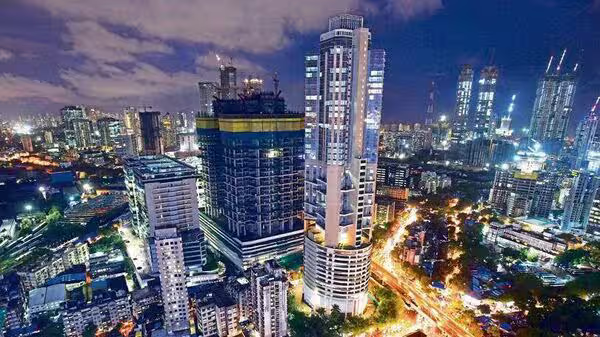
The luxury segment is also evolving. Recent residential-market research indicates that premium housing has become an increasingly important part of India's urban property market, with buyers showing stronger interest in larger, amenity-rich, technologically advanced homes.
1. What Is Luxury Property?
Luxury property generally refers to residential real estate positioned significantly above the typical standard of its local market.
There is no single worldwide definition of a luxury home. What qualifies as luxury can vary according to:
- Local property values
- Location
- Property size
- Architecture
- Construction quality
- Interior design
- Amenities
- Privacy
- Technology
- Views
- Services and management
- Overall living experience
A useful way to understand luxury property is:
Premium Location + Exceptional Design + Quality + Privacy + Experience
2. Luxury vs Premium Property
The terms premium and luxury are sometimes used interchangeably, but they can describe different levels of residential positioning.
Premium Property
A premium property may have:
- Better-than-average construction
- Good amenities
- Modern interiors
- Convenient location
- Improved specifications
Luxury Property
Luxury properties typically go further through combinations of:
- Larger spaces
- Exclusive architecture
- High-quality materials
- Greater privacy
- Advanced technology
- Extensive amenities
- Distinctive views
- Personalized living environments
The boundary between premium and luxury depends heavily on the local market.
3. Luxury Apartments
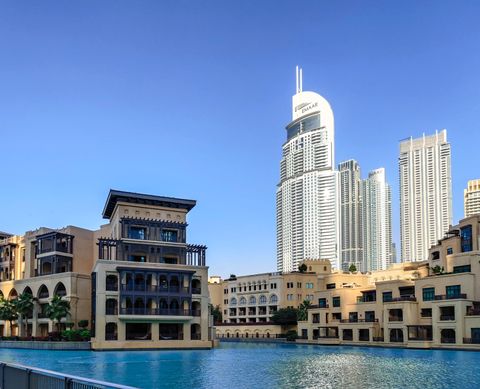
Luxury apartments are among the most common forms of high-end urban housing.
They can include:
- Large living rooms
- Multiple bedrooms
- Spacious kitchens
- Private balconies
- Premium bathrooms
- High ceilings
- Private elevators
- Dedicated parking
Some developments also integrate smart-home controls and private recreational facilities.
4. Penthouses
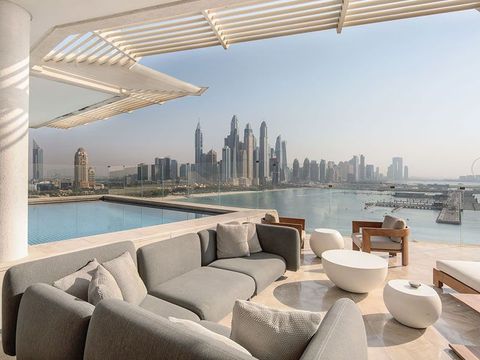
A penthouse is generally a residence located on the uppermost or one of the highest levels of a building.
Typical characteristics can include:
- Expansive floor plans
- Large terraces
- Panoramic views
- Private elevator access
- High ceilings
- Outdoor entertainment areas
- Premium interiors
Penthouses can combine the convenience of apartment living with features associated with standalone residences.
5. Luxury Villas
Luxury villas provide a different form of premium living.
Potential characteristics include:
- Private gardens
- Large bedrooms
- Multiple floors
- Private parking
- Swimming pools
- Outdoor entertainment spaces
- Home offices
- Landscaped surroundings
Villas can offer greater privacy and control over outdoor spaces compared with many apartment formats.
6. Duplex and Triplex Residences
Duplex and triplex homes use two or three connected levels within one residence.
This arrangement can create separate zones for:
- Family living
- Guest accommodation
- Entertainment
- Work
- Recreation
- Private spaces
Vertical layouts can also create architectural features such as double-height living rooms and internal staircases.
7. Luxury Estates
Large estates represent another category of premium real estate.
They may include:
- Extensive land
- Multiple residential structures
- Gardens
- Pools
- Private recreational spaces
- Guest accommodation
- Security infrastructure
Estate properties are generally more dependent on land availability and local planning regulations.
8. Branded Residences
Branded residences connect residential property with a recognized hospitality, lifestyle, or luxury brand.
Potential features include:
- Professionally managed residences
- Concierge facilities
- Branded interiors
- Premium amenities
- Hospitality-oriented experiences
Branded residences are expanding internationally. Knight Frank projects more than 1,000 live branded-residence schemes globally by 2030, reflecting growing interest in professionally managed premium housing.
9. Waterfront and View-Oriented Properties
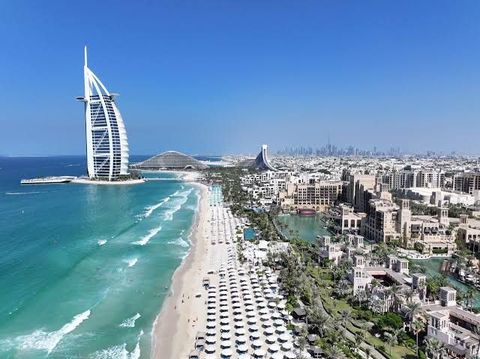
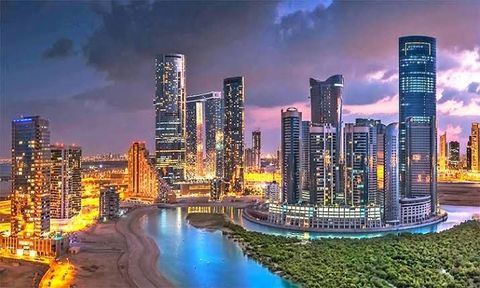
Waterfront, skyline, mountain, park, and other distinctive views can contribute to a property's premium positioning.
Important considerations include:
- Orientation
- Floor level
- Window design
- Balcony placement
- Future construction
- Privacy
- Visibility
A premium view should be evaluated as part of the property's long-term surroundings rather than treated as a permanent guarantee.
10. Architectural Design
Architecture is one of the most visible elements of luxury real estate.
Modern luxury developments may emphasize:
- Distinctive façades
- Large glass surfaces
- Natural materials
- Open-plan layouts
- Double-height spaces
- Sculptural elements
- Landscaped surroundings
- Indoor-outdoor connections
Current housing preferences also show growing interest in functional layouts, natural materials, outdoor connections, and architectural character.
11. Interior Design
Luxury interiors can combine aesthetics with functionality.
Common design elements include:
- Natural stone
- Hardwood
- Premium tiles
- Custom cabinetry
- Designer lighting
- High-quality fixtures
- Bespoke furniture
- Decorative wall treatments
Modern luxury increasingly focuses on creating a comfortable environment rather than simply displaying expensive materials.
12. Spacious Living Areas
Space remains an important characteristic of luxury housing.
Premium homes may provide:
- Large living rooms
- Separate dining areas
- Family rooms
- Home offices
- Entertainment rooms
- Walk-in wardrobes
- Utility spaces
However, usable space is often more important than headline floor area.
A well-designed home can feel more spacious because of efficient planning, natural light, ceiling height, and visual continuity.
13. Premium Kitchens
Luxury kitchens can function as both practical workspaces and social areas.
Features may include:
- Large islands
- Custom cabinetry
- Integrated appliances
- Premium countertops
- Walk-in pantries
- Advanced ventilation
- Dedicated utility areas
The best kitchen design balances aesthetics, storage, workflow, cleaning, and maintenance.
14. Luxury Bathrooms
Premium bathrooms increasingly resemble private wellness spaces.
Possible features include:
- Freestanding bathtubs
- Rain showers
- Large-format stone
- Premium fixtures
- Smart mirrors
- Ambient lighting
- Heated systems
- Separate wet and dry areas
Wellness-focused bathrooms are becoming an increasingly visible part of modern luxury-home design.
15. Smart-Home Technology
Technology has become an important part of modern luxury.
Smart-home systems can control:
- Lighting
- Curtains
- Temperature
- Security
- Entertainment
- Door access
- Energy consumption
Advanced systems may integrate multiple functions into a single platform.
The goal is increasingly invisible convenience rather than technology that simply looks impressive.
16. Home Automation
Automation can simplify daily routines.
Examples include:
- Automated lighting scenes
- Climate scheduling
- Smart locks
- Motorized curtains
- Voice control
- Automated security
- Remote monitoring
A well-designed system should be reliable, secure, intuitive, and capable of integrating with future technologies.
17. Private Elevators
Private elevators can provide additional privacy and convenience.
They may offer:
- Direct residence access
- Controlled entry
- Reduced shared traffic
- Improved accessibility
Private elevator systems are particularly common in some ultra-premium apartments, penthouses, duplexes, and villas.
18. Premium Security
Security systems can combine physical and digital technologies.
Potential features include:
- CCTV
- Video intercoms
- Smart locks
- Access cards
- Biometric systems
- Visitor management
- Perimeter monitoring
- Security personnel
The strongest security strategy normally combines technology with appropriate building-management procedures.
19. Wellness Amenities
Wellness has become a major component of contemporary luxury housing.
Amenities can include:
- Fitness centers
- Yoga studios
- Spa facilities
- Meditation rooms
- Swimming pools
- Walking areas
- Sports facilities
- Wellness lounges
The broader trend is moving from simply providing a gym toward creating an environment that supports healthier living.
20. Private Fitness Facilities
Premium developments can include advanced fitness environments.
Possible facilities include:
- Cardio zones
- Strength-training equipment
- Yoga rooms
- Exercise studios
- Personal training areas
- Recovery spaces
Quality, ventilation, maintenance, equipment standards, and operating schedules all matter when evaluating these facilities.
21. Swimming Pools
Luxury properties may feature:
- Infinity pools
- Rooftop pools
- Private pools
- Indoor pools
- Temperature-controlled pools
- Children's pools
Pool design contributes to the overall experience, but water quality, maintenance, safety, and operating standards are equally important.
22. Outdoor Living
Modern luxury increasingly connects indoor and outdoor spaces.
Features can include:
- Large terraces
- Balconies
- Landscaped gardens
- Outdoor kitchens
- Dining areas
- Private courtyards
- Rooftop spaces
This indoor-outdoor connection has become an important residential design trend.
23. Privacy as a Luxury Feature
Privacy can be one of the most valuable characteristics of premium housing.
Possible design solutions include:
- Private entrances
- Private elevators
- Limited residences per floor
- Large setbacks
- Controlled access
- Private gardens
- Sound insulation
Modern luxury increasingly emphasizes quietness, personal space, and reduced exposure.
24. Premium Parking
Parking can become a significant feature in high-end urban housing.
Facilities may include:
- Multiple parking spaces
- Covered parking
- Automated parking
- Private garages
- Visitor parking
- EV charging
The number and location of parking spaces can be particularly important for larger households.
25. EV Charging Infrastructure
Electric vehicle charging is becoming part of future-ready residential design.
Potential infrastructure includes:
- Dedicated chargers
- Shared charging stations
- Smart charging
- Load management
- Electrical capacity planning
As EV adoption grows, charging infrastructure can become an increasingly useful component of premium residential buildings.
26. Sustainability
Luxury and sustainability are increasingly connected.
Sustainable features can include:
- Energy-efficient cooling
- Solar power
- Water recycling
- Rainwater management
- Efficient lighting
- Green landscaping
- Sustainable materials
- Waste-management systems
Modern luxury can therefore focus on resource efficiency as well as visual appeal.
27. Natural Light and Ventilation
Natural light can improve the visual quality of a home while reducing dependence on artificial lighting during daylight hours.
Important design factors include:
- Orientation
- Window size
- Glazing
- Shading
- Ceiling height
- Cross ventilation
Indoor environmental quality is becoming an increasingly important part of premium housing design.
28. Acoustic Comfort
Noise control is an often-overlooked luxury feature.
Potential solutions include:
- Acoustic glazing
- Insulated walls
- Sound-absorbing materials
- Quiet HVAC systems
- Better door seals
- Strategic room planning
A quieter home can provide a stronger sense of privacy and comfort.
29. Premium Materials
Material quality influences both appearance and durability.
Common materials include:
- Marble
- Granite
- Hardwood
- Natural stone
- Engineered surfaces
- Premium metals
- High-quality glass
Material selection should consider:
Appearance + Durability + Maintenance + Sustainability
Expensive materials are not automatically the best materials for every application.
30. Concierge and Managed Living
Some premium developments provide concierge-style management.
Potential functions include:
- Visitor coordination
- Resident assistance
- Facility management
- Package management
- Reservation support
- Maintenance coordination
Branded and professionally managed residences are particularly associated with this model.
31. Technology Infrastructure
Luxury homes increasingly require strong digital infrastructure.
Important systems can include:
- High-speed internet
- Wi-Fi infrastructure
- Network cabling
- Smart-home hubs
- Security networks
- Home entertainment systems
Technology infrastructure should be designed for reliability and future upgrades.
32. Home Offices
Luxury housing increasingly incorporates dedicated workspaces.
A premium home office may provide:
- Acoustic separation
- Natural lighting
- High-speed connectivity
- Ergonomic layouts
- Built-in storage
- Video-conferencing infrastructure
The growth of flexible and hybrid working has made dedicated work areas more relevant to modern residential design.
33. Flexible Spaces
Luxury homes increasingly favor adaptable rooms.
A flexible room can become:
- Home office
- Guest bedroom
- Study
- Fitness room
- Entertainment space
- Children's room
Adaptability can extend the usefulness of a property as household needs change.
34. Luxury Real Estate Market Trends
Luxury residential markets are experiencing several broad changes.
Recent JLL research found that India's residential sales increased 8% year over year in Q1 2026, while properties priced above ₹1 crore recorded a 30% year-over-year increase. The report also found that premium housing represented 71% of sales across the seven major urban markets it studied.
These figures indicate continued premiumization, although market conditions vary considerably by city and price segment.
35. The Rise of Experience-Led Luxury
Luxury housing is increasingly focused on experiences rather than simply physical specifications.
Modern buyers may prioritize:
- Wellness
- Privacy
- Convenience
- Technology
- Green spaces
- Entertainment
- Professional management
- Community facilities
This represents a shift from "bigger and more expensive" toward "better designed and more useful."
36. Branded Residence Growth
Branded residences continue to attract attention in global luxury markets.
Knight Frank identifies branded residences as an expanding category, particularly because affluent buyers value professional management, privacy, amenities, and recognizable service standards.
The concept is increasingly extending beyond traditional hospitality brands into lifestyle, design, fashion, and other premium categories.
37. Wellness-Centric Homes
Wellness is moving from an optional amenity toward a core design principle.
Potential features include:
- Natural ventilation
- Daylight
- Acoustic insulation
- Fitness spaces
- Spa facilities
- Outdoor areas
- Healthy material choices
The emphasis is shifting toward creating homes that support physical and mental well-being.
38. Sustainable Luxury
Sustainability is becoming increasingly integrated into premium development.
The next generation of luxury homes may focus on:
- Lower energy consumption
- Efficient water use
- Renewable energy
- Better insulation
- Smart energy management
- Sustainable materials
The result is a more practical definition of luxury where environmental performance becomes part of quality.
39. Scarcity and Prime Locations
Prime residential markets often have limited supply.
Knight Frank's 2026 global prime-residential research identifies scarcity of high-quality, move-in-ready homes as an important factor supporting luxury-market demand.
Limited supply can increase the importance of:
- Location
- Views
- Architecture
- Land availability
- Privacy
- Quality of construction
40. Luxury Property as a Long-Term Asset
Luxury real estate can have both lifestyle and financial dimensions.
However, premium positioning does not automatically guarantee future appreciation.
Potential factors affecting long-term value include:
- Location
- Scarcity
- Property quality
- Market demand
- Infrastructure
- Economic conditions
- Maintenance
- Regulatory changes
- Future supply
Historical performance should be treated as information, not a promise of future results.
41. Property Evaluation
A structured evaluation can follow:
Location → Property → Building → Amenities → Technology → Documentation → Market
Location
Study accessibility and surrounding infrastructure.
Property
Evaluate size, layout, orientation, and condition.
Building
Examine construction, maintenance, security, and shared facilities.
Amenities
Assess usefulness, quality, and maintenance.
Technology
Review smart-home infrastructure and connectivity.
Documentation
Verify legal and property records.
Market
Compare relevant transactions and market conditions.
42. Common Luxury Property Mistakes
Mistake 1: Focusing Only on Price
High price does not automatically mean high quality.
Mistake 2: Choosing Appearance Over Function
Beautiful interiors should still support everyday living.
Mistake 3: Ignoring Maintenance
Complex systems and premium materials can require specialized maintenance.
Mistake 4: Overlooking Privacy
Privacy should be evaluated throughout the building, not only inside the residence.
Mistake 5: Ignoring Technology Security
Connected homes require appropriate cybersecurity and access controls.
Mistake 6: Assuming Luxury Guarantees Appreciation
Market performance depends on many factors beyond property positioning.
43. Luxury Property Research Checklist
- Define the desired property type
- Evaluate location characteristics
- Compare usable floor areas
- Examine architecture
- Review interior specifications
- Assess natural light
- Check ventilation
- Evaluate acoustic comfort
- Review privacy
- Examine security
- Study smart-home systems
- Check internet infrastructure
- Review wellness facilities
- Examine parking
- Check EV charging
- Evaluate sustainability
- Research building management
- Review documentation
- Compare market data
- Consider long-term maintenance
44. Future of Luxury Property
The future of luxury residential real estate is likely to be defined by intelligent simplicity.
Homes will increasingly combine:
Smart Technology + Wellness + Sustainability + Privacy + Flexible Design
The most desirable properties may not necessarily be those with the largest number of visible features. Instead, successful luxury homes are likely to integrate technology, architecture, comfort, and sustainability so naturally that the experience feels effortless.
45. FAQs
What makes a property luxurious?
Luxury can be defined by a combination of location, space, architecture, construction quality, privacy, amenities, technology, design, and overall living experience.
What are the main types of luxury properties?
Common types include luxury apartments, penthouses, villas, duplexes, triplexes, estates, branded residences, and premium waterfront or view-oriented homes.
Are smart-home features important in luxury properties?
Smart-home technology is becoming increasingly common in premium housing. Useful systems can control lighting, climate, security, access, entertainment, and energy management.
Why are wellness amenities becoming popular?
Modern buyers increasingly view homes as environments that support health, comfort, relaxation, and productivity. This has increased interest in fitness facilities, natural light, ventilation, outdoor areas, acoustic comfort, and wellness spaces.
Does luxury property always appreciate in value?
No. Luxury positioning does not guarantee appreciation. Future performance can depend on location, scarcity, market demand, economic conditions, property quality, supply, infrastructure, and regulatory changes.
What should be checked before evaluating a luxury property?
Important areas include location, usable space, building quality, privacy, amenities, technology, maintenance, documentation, comparable properties, and broader market conditions.
Conclusion
Luxury property has evolved beyond large homes and expensive finishes. Modern premium real estate increasingly represents a combination of space, design, privacy, technology, wellness, sustainability, convenience, and quality.
From penthouses and villas to branded residences and high-end apartments, luxury properties can take many forms. Their value lies not only in what they look like, but in how effectively they support everyday living.
Current market research points toward continued premiumization, particularly in major Indian urban markets, while global luxury research highlights scarcity, branded residences, wellness, and high-quality turnkey homes as important themes.
The simplest way to understand modern luxury real estate is:
Luxury = Quality + Privacy + Design + Technology + Experience.
A thoughtful luxury-property evaluation should therefore look beyond the surface and examine the complete picture—from architecture and materials to building management, technology, sustainability, documentation, and long-term market conditions.
Disclaimer
This article is provided solely for general informational and educational purposes. It does not endorse, recommend, rank, or promote any specific property, developer, brand, project, investment, or real estate opportunity. Property classifications, market conditions, prices, regulations, development trends, technology, and buyer preferences can change over time. Readers should independently verify current information through authoritative sources and qualified legal, financial, architectural, and real estate professionals before making any property-related decision.