Jump to a Chapter

Luxury Antique Jewellery Guide: Styles, Precious Metals, and Heritage Craftsmanship

Luxury Antique Jewellery Guide: Styles, Precious Metals, and Heritage Craftsmanship

Luxury antique jewellery reflects centuries of artistic excellence, traditional craftsmanship, and cultural heritage. From intricately handcrafted necklaces and rings to ornate bracelets, brooches, and earrings, antique jewellery continues to captivate collectors, designers, historians, and jewellery enthusiasts through its timeless beauty and historical significance.

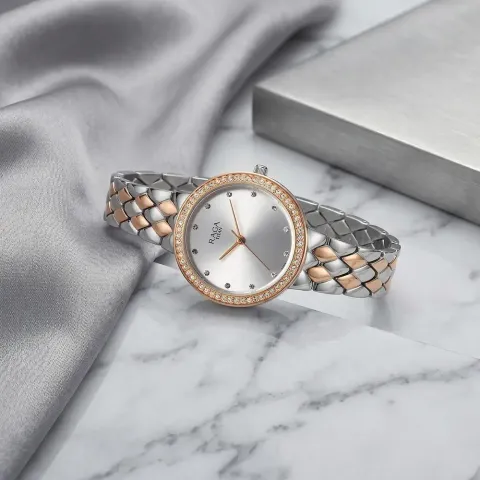
Unlike contemporary mass-produced jewellery, antique pieces often showcase hand engraving, intricate metalwork, traditional gemstone settings, and unique design techniques that have been preserved across generations. Many designs also represent the artistic influences, symbolism, and craftsmanship of their respective historical periods.

This guide explores luxury antique jewellery, precious metals, traditional craftsmanship, gemstones, historic design styles, and preservation practices from an educational perspective. It does not provide valuation, authentication, investment, legal, financial, appraisal, restoration, or professional gemological advice.

Understanding Luxury Antique Jewellery

Antique jewellery generally refers to jewellery recognized for its historical age, craftsmanship, artistic value, or cultural importance.

Common characteristics include:

  • Handcrafted construction
  • Traditional metalworking
  • Intricate engraving
  • Unique gemstone settings
  • Historical design influences
  • Limited or one-of-a-kind craftsmanship

The exact definition of antique jewellery may vary depending on regional standards and professional classifications.

History of Antique Jewellery

Jewellery has served decorative, ceremonial, and cultural purposes for thousands of years.

Throughout history, jewellery has reflected:

  • Royal traditions
  • Religious symbolism
  • Cultural identity
  • Artistic movements
  • Technological advancements in metalworking

Many antique pieces offer insight into the craftsmanship and design philosophies of earlier eras.

Traditional Craftsmanship

The value of antique jewellery is often closely associated with the skill of its artisans.

Traditional techniques may include:

  • Hand engraving
  • Filigree work
  • Granulation
  • Repoussé
  • Chasing
  • Stone setting by hand

These methods require exceptional precision and experience.

Precious Metals

Luxury antique jewellery is commonly crafted from high-quality precious metals.

Popular materials include:

Gold

Gold has long been prized for its beauty, durability, and resistance to corrosion. Antique jewellery may feature yellow, rose, or white gold depending on the period and design.

Silver

Silver has historically been used for decorative jewellery, ceremonial pieces, and intricate handcrafted designs.

Platinum

Platinum became increasingly popular in fine jewellery due to its strength and naturally bright appearance.

Each metal offers distinct characteristics in appearance, durability, and craftsmanship.

Gemstones in Antique Jewellery

Many antique pieces feature carefully selected natural gemstones.

Common gemstones include:

  • Diamonds
  • Rubies
  • Emeralds
  • Sapphires
  • Pearls
  • Opals
  • Garnets
  • Turquoise

Gemstone selection often reflects the design traditions and available materials of a particular era.

Antique Jewellery Styles

Over time, several distinctive jewellery styles have emerged.

Examples include:

Victorian Style

Known for romantic motifs, floral designs, and detailed metalwork.

Art Nouveau

Characterized by flowing lines, nature-inspired themes, and artistic craftsmanship.

Art Deco

Recognized for geometric shapes, symmetry, and bold decorative patterns.

Edwardian Style

Features elegant lace-like metalwork, platinum settings, and refined detailing.

These styles continue to inspire modern jewellery designers.

Common Types of Antique Jewellery

Luxury antique collections often include a variety of jewellery pieces.

Examples include:

Rings

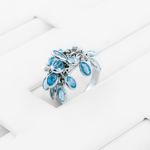
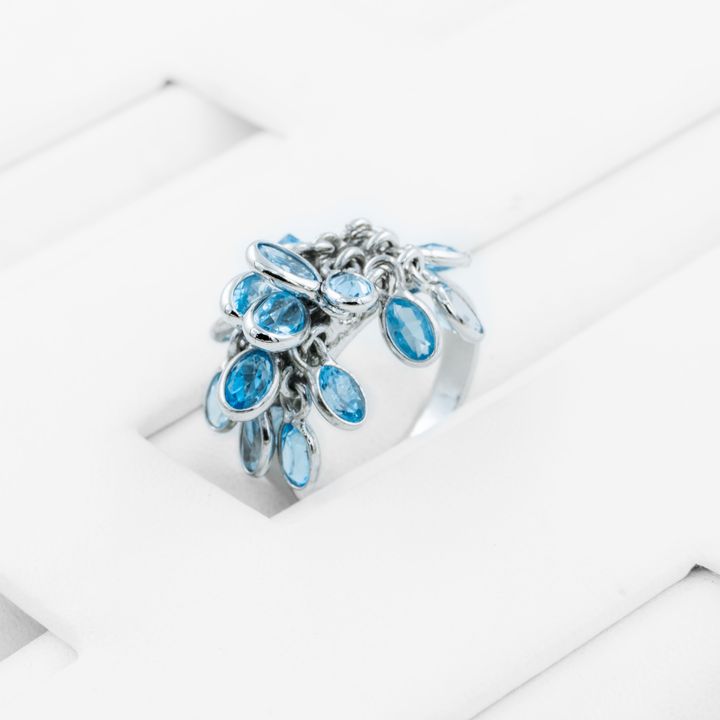
Featuring engraved bands, gemstone settings, or symbolic motifs.

Necklaces

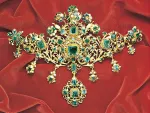
Often handcrafted with decorative pendants, pearls, or gemstone arrangements.

Earrings

Designed in drop, stud, or chandelier styles depending on the historical period.

Bracelets

May incorporate engraved metalwork, gemstones, or linked decorative elements.

Brooches

Traditionally worn as ornamental accessories and often displaying exceptional craftsmanship.

Lockets

Historic keepsake jewellery designed to hold photographs or personal mementos.

Decorative Techniques

Artisans employed numerous decorative methods to enhance jewellery.

Popular techniques include:

  • Enamel work
  • Filigree
  • Milgrain detailing
  • Hand engraving
  • Openwork designs
  • Stone pavé settings

These techniques contribute to the individuality of each piece.

Symbolism in Antique Jewellery

Many antique jewellery designs incorporate symbolic themes.

Common motifs include:

  • Flowers
  • Hearts
  • Birds
  • Stars
  • Crowns
  • Leaves
  • Religious symbols

The meaning of these motifs often varies across cultures and historical periods.

Caring for Antique Jewellery

Proper care helps preserve antique jewellery for future generations.

General care practices include:

  • Storing pieces separately to prevent scratches
  • Avoiding harsh chemicals
  • Cleaning with appropriate materials
  • Protecting jewellery from excessive moisture
  • Having valuable pieces inspected by qualified professionals when needed

Cleaning methods should be suitable for the specific metal, gemstone, and condition of each piece.

Restoration and Preservation

Historic jewellery may occasionally require conservation or restoration.

Potential restoration work may include:

  • Stone resetting
  • Clasp repair
  • Metal stabilization
  • Surface cleaning
  • Structural reinforcement

Professional restoration aims to preserve historical integrity while maintaining the piece's condition.

Antique Jewellery in Modern Fashion

Many contemporary fashion enthusiasts incorporate antique jewellery into modern wardrobes.

Popular styling approaches include:

  • Pairing vintage jewellery with contemporary clothing
  • Wearing statement necklaces
  • Layering antique rings
  • Mixing classic and modern accessories
  • Showcasing heirloom pieces during special occasions

This combination of old and new creates distinctive personal style.

Sustainability and Antique Jewellery

Choosing antique jewellery aligns with broader sustainability principles.

Potential environmental benefits include:

  • Extending product lifespan
  • Reducing demand for newly mined materials
  • Preserving traditional craftsmanship
  • Supporting circular consumption

Antique jewellery highlights the value of preserving existing works of art rather than replacing them.

Heritage Craftsmanship in 2026

Several trends continue to shape appreciation for antique jewellery.

Current developments include:

  • Growing interest in heritage craftsmanship
  • Revival of vintage-inspired designs
  • Sustainable luxury preferences
  • Appreciation for handmade artistry
  • Preservation of cultural heritage
  • Increased interest in heirloom jewellery
  • Blending antique and modern fashion
  • Educational awareness of traditional jewellery techniques

These trends reflect an increasing appreciation for authenticity, craftsmanship, and timeless design.

Frequently Asked Questions

What is antique jewellery?

Antique jewellery generally refers to historically significant jewellery valued for its age, craftsmanship, artistic design, or cultural importance.

Which precious metals are commonly used?

Gold, silver, and platinum are among the most frequently used precious metals in antique jewellery.

What gemstones are commonly found?

Diamonds, rubies, sapphires, emeralds, pearls, opals, garnets, and turquoise are commonly featured.

Can antique jewellery be worn regularly?

Many antique pieces can be worn with appropriate care, although fragile or historically significant items may require special handling.

How should antique jewellery be stored?

Jewellery is generally best stored individually in soft-lined containers or protective pouches to reduce the risk of scratches and damage.

Conclusion

Luxury antique jewellery represents centuries of artistic expression, traditional craftsmanship, and cultural heritage. Through precious metals, natural gemstones, handcrafted detailing, and timeless design, antique jewellery continues to inspire collectors, designers, historians, and fashion enthusiasts worldwide.

As appreciation for sustainable luxury, heritage preservation, and artisan craftsmanship continues to grow, antique jewellery remains an enduring symbol of elegance, history, and exceptional craftsmanship that transcends changing fashion trends.

Disclaimer

This article is intended solely for informational and educational purposes. It does not provide valuation, authentication, investment, financial, legal, restoration, appraisal, gemological, or professional jewellery advice. It does not endorse, recommend, compare, rank, review, market, or promote any jeweller, retailer, auction house, gemstone supplier, or restoration service. The authenticity, age, condition, historical significance, gemstone quality, and market value of antique jewellery vary widely. Readers should consult qualified gemologists, jewellery appraisers, or restoration professionals before making purchasing, valuation, restoration, or conservation decisions.


author-image

Ravi Shankar Maurya

We create purposeful content that speaks, resonates, and drives action.

July 02, 2026 . 9 min read