Bamboo Fabric Dress Women: Overview of Materials and Everyday Wear
A bamboo fabric dress for women is a dress made from bamboo-derived textile fibers or from fabric blends that include bamboo-based material. In everyday shopping, the term often refers to bamboo viscose or rayon made from bamboo rather than cloth made directly from raw bamboo fiber.
That distinction matters because the fabric label, performance, and environmental claims depend on how the textile was actually made. The FTC says textiles can only be called bamboo if they are made directly from bamboo fiber; if the fabric is rayon or viscose made using bamboo as the plant source, it should be labeled that way.
For women’s dresses, bamboo fabric is usually chosen for a soft hand feel, smooth drape, and breathable comfort. Textile Exchange describes viscose as smooth, absorbent, strong, and breathable, and notes that bamboo can be one of the raw materials used for manmade cellulosic fibers. That is why bamboo-based dresses are often found in casual wear, travel outfits, sleepwear-style dresses, and warm-weather wardrobes.
How the fabric is structured
The structure is simple at a high level: bamboo is used as the source material, the cellulose is turned into fiber, the fiber is spun into yarn, and the yarn is knit or woven into fabric that becomes a dress. In the market, the final dress may be sold as bamboo fiber, bamboo viscose, or rayon made from bamboo depending on the true fiber content and manufacturing method. The labeling matters because the finished fabric behaves according to its actual fiber composition, not just the plant source.
A practical way to think about it is this: the closer the final textile is to viscose or rayon, the more likely it is to have a soft, fluid drape; the more direct the bamboo fiber content, the rarer and more specific the label usually becomes. That is why careful reading of the fiber-content label is more useful than relying on a front-of-package marketing phrase.
Why women choose bamboo fabric dresses
Bamboo fabric dresses are popular because they solve several everyday clothing needs at once. They can feel comfortable in warm weather, work well for long wear periods, and move easily with the body because the fabric often drapes rather than feels stiff. That makes them useful for commuting, office days with a relaxed dress code, weekend wear, and travel when people want something that feels light and simple.
They also appeal to shoppers who prefer clothing that feels less synthetic on the skin. Bamboo-derived viscose and similar manmade cellulosic fibers can offer a softer hand feel than many heavier woven fabrics, which is one reason dresses made from them are often marketed for comfort-first wardrobes. The main problem they solve is basic wearability: easier movement, softer touch, and a less rigid silhouette.
Common forms and what to check
| Common label | What it usually means | Practical note |
|---|---|---|
| Bamboo fiber | Fabric made directly from bamboo fiber | Less common; the label must be accurate. |
| Bamboo viscose / rayon made from bamboo | Bamboo pulp processed into viscose or rayon | Usually soft and drapey; verify the fiber content. |
| Bamboo blend | Bamboo-derived fiber mixed with other fibers | Check the percentages by weight on the label. |
Key features to look for
Fabric feel and drape
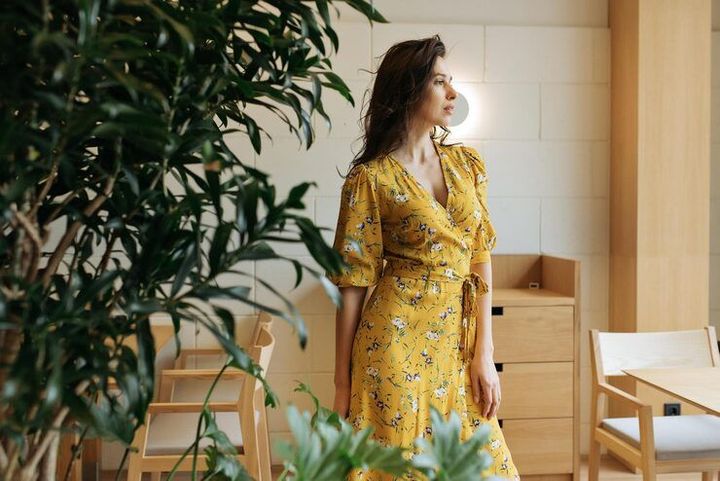
Look for a smooth surface, moderate stretch, and a fluid fall if you want a dress that hangs neatly. Dresses with this structure often suit A-line cuts, wrap styles, shirt dresses, and midi silhouettes. The feel matters more than the name because different bamboo-derived fabrics can behave differently.
Fiber content
Check whether the dress is 100% bamboo-derived fiber or a blend. Blends can add stretch or durability, while single-fiber fabrics may feel softer and more uniform. The FTC’s Textile Fiber Rule requires the fiber content to be listed by generic names and percentages by weight, which helps shoppers compare products fairly.
Breathability
For warm climates or long wear, breathability is a major advantage. Viscose is described by Textile Exchange as breathable and absorbent, which helps explain why bamboo-based dresses are often used in summer wardrobes and travel capsules.
Care behavior
Before buying, check whether the dress is machine washable, needs gentle washing, or should be laid flat to dry. Care labels exist to reduce shrinkage, distortion, and early wear, so the label is as important as the fabric name.
Real-world use cases
Bamboo fabric dresses fit several real-life situations. A simple midi dress can work for daily errands or office wear. A loose short dress may suit humid weather and home wear. A longer wrap dress can serve as a travel piece because the fabric often folds and drapes neatly. For people who want one garment to handle multiple uses, bamboo-based fabric can be a practical choice when the cut and construction are well made.
The fabric can also help solve a common wardrobe problem: clothes that look polished but feel uncomfortable in heat. Because bamboo-derived viscose is absorbent and breathable, it can be a better option than heavier fabrics for people who want easier day-to-day wear without a structured, rigid shape.
Recent trends and updates
A notable update in 2025 is that the textile industry continued to focus on traceability, reporting, and circular-material goals. Textile Exchange’s 2025 Materials Benchmark guidance continued to ask brands to report raw material trends and circular-economy targets, which shows how strongly the industry is moving toward more measurable material accounting.
For bamboo fabric dresses, that means material transparency matters more than ever.
Another important trend is greater scrutiny of material claims. Fashion and textile conversations in 2025 continued to emphasize responsible sourcing and the difference between marketing language and verified fiber content. That is especially relevant for bamboo, because the term is often used loosely even when the actual textile is rayon or viscose made from bamboo.
Laws and labeling rules
In the United States, bamboo clothing claims are governed by textile labeling rules. The FTC says most textile products must list the fiber content, the manufacturer or marketer, and the country where the item was processed or manufactured. The agency also says that only textiles made directly from bamboo fiber can be called bamboo; rayon or viscose made from bamboo should be labeled that way instead.
The FTC also warns that environmental claims must be truthful and supported. That means a seller should not imply that a bamboo-derived dress is automatically chemical-free, non-polluting, or better for the environment unless those claims are properly substantiated. For shoppers, this means the label and the evidence matter more than a green-looking description.
Useful tools and learning resources
Trusted places to check information
- FTC Bamboo Textiles page for labeling guidance and bamboo-specific rules.
- FTC Textile Fiber Rule for required fiber-content disclosures.
- FTC environmental claims guidance for evaluating sustainability statements.
- Textile Exchange materials and fiber reports for broader fabric and sustainability context.
FAQs
Is bamboo fabric always made from direct bamboo fiber?
No. In many cases, “bamboo fabric” means bamboo-derived viscose or rayon rather than direct bamboo fiber. The FTC says a textile can only be called bamboo if it is made directly from bamboo fiber; otherwise, it should be labeled as rayon or viscose made from bamboo.
Are bamboo fabric dresses usually soft?
Yes, many are soft because bamboo-derived viscose is known for a smooth hand feel and breathable character. The exact feel still depends on the weave, knit, and blend ratio used in the dress.
What should I check on the label before choosing one?
Check the fiber content, the percentage of each fiber, the manufacturer or marketer name, and the country of origin. Then review the care label so you know how to wash and dry the dress properly.
Are bamboo fabric dresses automatically eco-friendly?
No. Environmental impact depends on the full production process, including how the fiber was made and what chemicals or sourcing methods were used. The FTC warns against unsupported environmental claims, so “bamboo” alone is not proof of a lower-impact product.
Where do bamboo fabric dresses fit best in a wardrobe?
They fit best in comfort-focused wardrobes, warm-weather outfits, travel clothing, and easy daily wear. Their main strengths are softness, drape, and breathability, which make them practical for many simple dress styles.
Conclusion
A bamboo fabric dress for women is best understood as a comfort-focused garment built from bamboo fiber or, more commonly, bamboo-derived viscose or rayon. Its value comes from a soft feel, breathable structure, and easy drape, which make it useful for everyday dressing, warm weather, and travel.
The most important habit is to read the label carefully: the true fiber content, the care instructions, and the wording of environmental claims tell you far more than the marketing name alone. With accurate labeling and a sensible choice of cut and blend, bamboo fabric dresses can be a practical and versatile part of a modern wardrobe.