Prairie Dress: Explore Timeless Style, Design, and Modern Fashion Trends
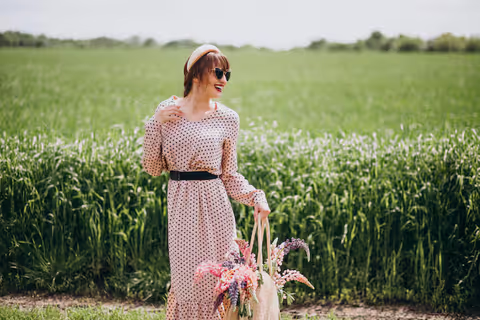
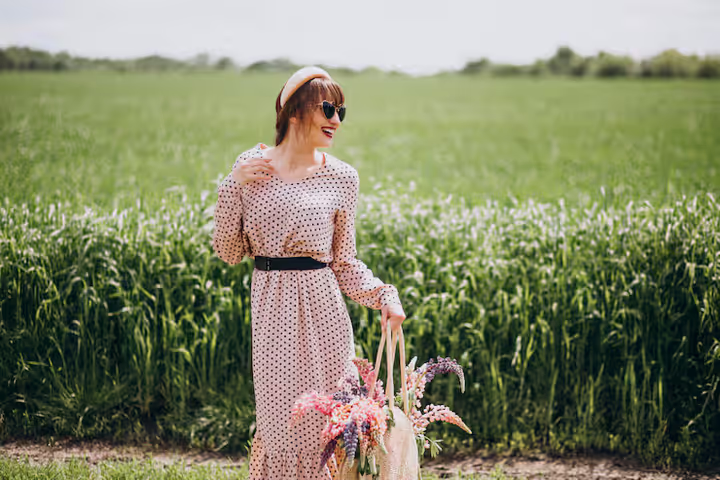
A prairie dress is a style of clothing inspired by garments worn by women living in rural areas during the 19th century. Traditionally, these dresses featured long skirts, high necklines, puffed sleeves, floral patterns, and lightweight fabrics designed for comfort and practicality.
Over time, the prairie dress evolved from a functional garment into a recognizable fashion category. Today, it is appreciated for its romantic appearance, modest silhouette, and connection to vintage-inspired fashion.
The purpose of a prairie dress is to combine comfort, elegance, and timeless design. Modern versions are often worn for casual outings, special events, seasonal celebrations, and everyday fashion.
Historical Background and Evolution
The prairie dress traces its roots to the clothing worn by settlers and farming communities throughout the 1800s. During that period, garments were designed to provide coverage, freedom of movement, and durability.
As fashion changed throughout the twentieth century, prairie-inspired elements occasionally reappeared in mainstream clothing. Designers revisited the style during the 1970s, introducing flowing silhouettes and romantic details that reflected historical influences.
In the 2020s, the prairie dress experienced renewed popularity due to growing interest in vintage aesthetics, cottagecore fashion, sustainable wardrobes, and timeless clothing designs. The style became particularly visible through social media platforms and fashion communities focused on classic and nature-inspired looks.
Structure and Design Elements
Prairie dresses are defined by several recognizable features that create their distinctive appearance.
Common Design Features
- Long or mid-length skirts
- Gathered waistlines
- Puff or balloon sleeves
- Floral or botanical prints
- High necklines
- Ruffle accents
- Lace details
- Lightweight cotton or linen fabrics
- Layered construction
- Relaxed silhouettes
These elements work together to create a feminine and comfortable garment suitable for different settings and seasons.
Major Types of Prairie Dresses
While the overall aesthetic remains consistent, prairie dresses are available in several variations.
| Type | Characteristics | Common Occasions |
|---|---|---|
| Classic Prairie Dress | High neckline, long sleeves, floral patterns | Everyday wear |
| Cottagecore Prairie Dress | Romantic styling, soft colors, natural fabrics | Outdoor gatherings |
| Modern Prairie Dress | Simplified design with contemporary cuts | Casual fashion |
| Maxi Prairie Dress | Floor-length silhouette | Seasonal events |
| Midi Prairie Dress | Mid-calf length and versatile styling | Daily outfits |
| Lace Prairie Dress | Decorative lace detailing | Formal occasions |
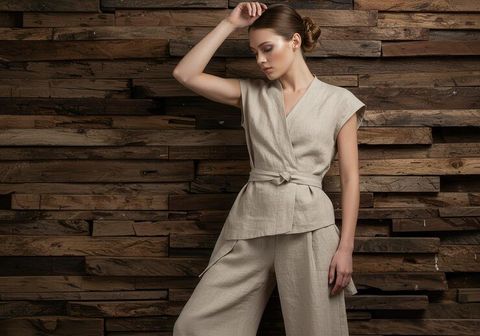
| Linen Prairie Dress | Breathable fabric and minimalist appearance | Warm-weather wear |
Each type offers different styling opportunities while maintaining the recognizable prairie-inspired aesthetic.
Why Prairie Dresses Remain Popular
Fashion trends frequently change, yet prairie dresses continue to attract attention because they address several consumer preferences.
Reasons for Continued Popularity
- Comfortable fit without restrictive tailoring
- Timeless appearance that transcends short-term trends
- Versatility across seasons
- Compatibility with multiple accessories
- Suitability for different age groups
- Strong connection to heritage-inspired fashion
- Preference for modest clothing options
These qualities allow prairie dresses to remain relevant despite changing fashion cycles.
Real-World Uses and Practical Applications
Prairie dresses are worn in many situations because of their adaptability.
Common Uses
- Casual daily wear
- Family gatherings
- Outdoor celebrations
- Garden events
- Seasonal festivals
- Travel wardrobes
- Photography sessions
- Cultural and historical events
The combination of comfort and visual appeal makes them suitable for both practical and decorative purposes.
Problems Prairie Dresses Help Address
Fashion consumers often seek garments that balance style and functionality. Prairie dresses help address several common wardrobe challenges.
Practical Benefits
- Provide comfortable movement
- Create complete outfits with minimal styling effort
- Support modest dressing preferences
- Adapt to different weather conditions through layering
- Maintain a classic appearance over time
- Reduce dependence on rapidly changing fashion trends
Because of these advantages, prairie dresses remain a preferred option for individuals seeking versatile clothing.
Materials Commonly Used in Prairie Dresses
Fabric selection plays a significant role in the appearance and comfort of a prairie dress.
Popular Materials
- Cotton
- Linen
- Rayon
- Organic cotton blends
- Lightweight woven fabrics
- Textured natural fibers
These materials help create the flowing silhouettes associated with prairie-inspired clothing while improving comfort during daily wear.
Styling Approaches for Different Seasons
Prairie dresses can be adapted throughout the year with simple styling adjustments.
Spring Styling
- Floral prints
- Lightweight cardigans
- Comfortable flats
- Minimal accessories
Summer Styling
- Breathable fabrics
- Sandals
- Straw accessories
- Light layering
Autumn Styling
- Knit sweaters
- Ankle boots
- Earth-tone color palettes
- Layered outerwear
Winter Styling
- Long coats
- Thermal layers
- Scarves
- Durable boots
Seasonal versatility contributes significantly to the long-term appeal of prairie dresses.
Fashion Trends and Developments in 2025–2026
The prairie dress category continues to evolve alongside broader fashion trends.
Recent Developments
- Increased demand for sustainable fabrics during 2025
- Greater use of organic cotton and linen materials
- Growth of cottagecore-inspired fashion collections
- Expansion of neutral and earthy color palettes
- Integration of modern tailoring with traditional silhouettes
- Increased focus on garment durability and longevity
- Wider adoption of vintage-inspired fashion among younger consumers
Throughout 2025 and early 2026, fashion publications and industry reports highlighted continued interest in heritage-inspired clothing and timeless wardrobe pieces. Prairie dresses have benefited from this shift toward longer-lasting fashion choices and classic design principles.
Sustainability and Responsible Fashion Considerations
Many consumers now evaluate clothing based on environmental impact and durability.
Prairie dresses often align with these priorities because their timeless appearance encourages longer-term wardrobe use. Garments designed for multiple seasons can contribute to more thoughtful clothing consumption patterns.
Sustainable Fashion Considerations
- Durable construction
- Natural fiber materials
- Long-term wearability
- Reduced trend dependency
- Versatile styling potential
These characteristics support broader sustainability objectives within the fashion industry.
Regulations and Consumer Considerations
Unlike specialized protective garments, prairie dresses are generally subject to standard textile and consumer product regulations.
Important Consumer Considerations
- Fiber composition labeling requirements
- Textile safety standards
- Care instruction labeling
- Manufacturing transparency initiatives
- Environmental compliance regulations
Consumers should review garment labels to understand fabric content, maintenance recommendations, and manufacturing information.
Learning Resources and Fashion Research Tools
Individuals interested in learning more about prairie dresses can explore various educational resources.
Useful Resources
- Fashion history books
- Textile studies publications
- Museum fashion archives
- Apparel design courses
- Sustainable fashion research reports
- Clothing construction guides
- Fashion trend analysis platforms
These resources provide deeper insights into the historical and contemporary significance of prairie-inspired clothing.
Prairie Dresses in Modern Fashion Culture
The prairie dress occupies a unique position within contemporary fashion. It blends historical inspiration with modern preferences for comfort and versatility.
Fashion communities often associate prairie dresses with:
Modern Fashion Themes
- Cottagecore aesthetics
- Slow fashion movements
- Vintage-inspired wardrobes
- Heritage fashion appreciation
- Nature-inspired styling
- Romantic fashion trends
This broad cultural appeal has helped the style remain visible across multiple fashion segments.
FAQs
What is a prairie dress?
A prairie dress is a vintage-inspired garment characterized by flowing silhouettes, modest necklines, long skirts, puff sleeves, and decorative details such as floral prints or lace accents.
Why is the prairie dress called a prairie dress?
The name originates from clothing styles worn by women living in rural prairie regions during the nineteenth century, where practical and comfortable garments were essential.
Are prairie dresses still fashionable?
Yes. Prairie dresses continue to appear in modern fashion collections due to interest in timeless clothing, cottagecore aesthetics, and heritage-inspired design.
What fabrics are commonly used in prairie dresses?
Cotton, linen, rayon, and natural fiber blends are commonly used because they provide comfort, breathability, and the soft drape associated with prairie-style garments.
Can prairie dresses be worn throughout the year?
Yes. Prairie dresses can be adapted to different seasons through layering, outerwear, footwear choices, and fabric selection.
Conclusion
Prairie dresses represent a lasting fashion style that combines historical inspiration with modern practicality. Their flowing silhouettes, comfortable construction, and timeless aesthetic have allowed them to remain relevant across generations.
From their origins in nineteenth-century rural communities to their presence in contemporary fashion trends during 2025 and 2026, prairie dresses continue to offer versatility, elegance, and everyday wearability.
As interest in sustainable fashion, heritage design, and long-lasting wardrobes grows, the prairie dress remains an important and recognizable part of modern clothing culture.