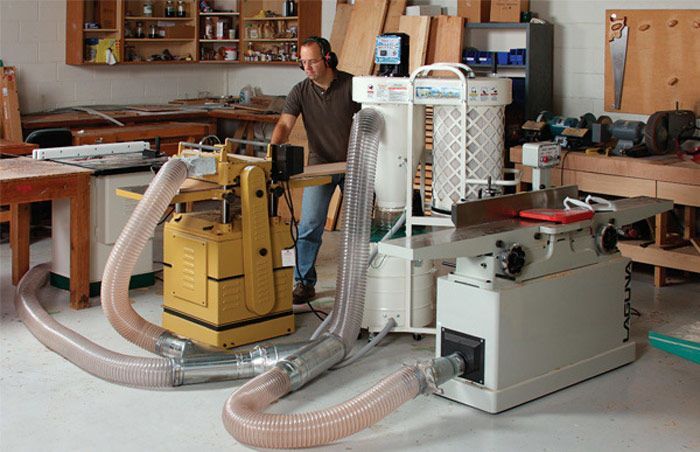
Learn About Dust Collection Systems for Woodworking & Metal Shops: Complete Explanation, Overview, Details, Information, and Help Resources
Dust collection systems are engineered solutions designed to capture, transport, filter, and contain airborne dust and particulate matter generated during industrial and workshop operations. These systems are commonly used in woodworking facilities, metal fabrication environments, manufacturing plants, educational workshops, and maintenance operations.
During cutting, sanding, grinding, drilling, polishing, and machining activities, fine particles are released into the air. Without proper collection and filtration, these particles can accumulate on equipment, floors, and work surfaces while also affecting indoor air quality.
The primary purpose of a dust collection system is to remove contaminants at their source before they spread throughout the workspace. Modern systems typically consist of collection hoods, ductwork, filtration units, fans, separators, and collection containers.
The following table summarizes common dust sources and collection methods.
| Workshop Activity | Dust Type | Typical Collection Method |
|---|---|---|
| Wood Cutting | Sawdust | Centralized Dust Collector |
| Sanding | Fine Wood Particles | HEPA Filtration System |
| Grinding Metal | Metal Dust | Spark-Resistant Collector |
| Welding | Fumes and Particles | Local Exhaust Ventilation |
| Polishing | Fine Abrasive Dust | Cartridge Filtration System |
| CNC Machining | Mixed Particulates | Integrated Dust Extraction |
Why Dust Collection Systems Matter
Dust management has become increasingly important as industries focus on workplace safety, operational efficiency, and environmental compliance.
Poor dust control can contribute to several challenges:
• Reduced indoor air quality
• Equipment contamination
• Increased cleaning requirements
• Product quality concerns
• Potential fire and explosion hazards in certain environments
• Worker exposure to airborne particles
Woodworking shops often generate large volumes of sawdust and fine wood particles. Metalworking facilities may produce grinding dust, welding fumes, and microscopic metal fragments. Effective dust collection helps reduce these risks and supports cleaner operations.
Organizations that benefit from dust collection technologies include:
• Woodworking workshops
• Furniture manufacturers
• Cabinet production facilities
• Metal fabrication shops
• Automotive component manufacturers
• Educational training centers
• Industrial processing plants
• Maintenance workshops
The chart below illustrates the typical objectives of modern dust collection programs.
| Objective | Impact |
|---|---|
| Air Quality Improvement | Cleaner working environment |
| Equipment Protection | Reduced contamination |
| Regulatory Compliance | Improved adherence to standards |
| Fire Risk Reduction | Better management of combustible dust |
| Productivity Support | Cleaner operational areas |
| Housekeeping Efficiency | Less dust accumulation |
Recent Updates and Industry Trends
The dust collection industry has experienced notable technological advancements throughout 2025 and early 2026.
Several manufacturers introduced smart monitoring capabilities that allow operators to track filter performance, airflow levels, and maintenance requirements through connected monitoring systems.
Recent industry trends include:
• Increased adoption of sensor-based filtration monitoring
• Growth in energy-efficient dust extraction technologies
• Enhanced cartridge filter designs
• Improved spark detection systems
• Expansion of automated maintenance alerts
• Greater integration with industrial automation platforms
Industry reports published during 2025 highlighted growing interest in real-time air quality monitoring. Many facilities are now combining dust collection equipment with environmental sensors that continuously measure airborne particulate concentrations.
Another trend involves the use of advanced filtration media capable of capturing smaller particles while maintaining efficient airflow performance.
The following table summarizes recent developments.
| Year | Industry Development |
|---|---|
| 2025 | Expanded smart monitoring adoption |
| 2025 | Increased use of predictive maintenance tools |
| 2025 | Growth in energy-efficient filtration systems |
| 2026 | Enhanced air-quality tracking integration |
| 2026 | Wider implementation of automated diagnostics |
These developments reflect a broader movement toward data-driven environmental management within industrial facilities.
Regulations, Standards, and Policy Considerations
Dust collection systems are often influenced by occupational safety, environmental protection, and industrial hygiene regulations.
Different countries maintain their own regulatory frameworks, but many standards focus on:
• Airborne particulate exposure limits
• Workplace ventilation requirements
• Combustible dust management
• Fire prevention practices
• Environmental emissions control
• Equipment maintenance requirements
Organizations frequently refer to guidance from workplace safety agencies, environmental authorities, and industrial standards organizations when developing dust management programs.
Common regulatory considerations include:
| Regulatory Area | Purpose |
|---|---|
| Air Quality Standards | Control worker exposure |
| Ventilation Requirements | Improve workplace conditions |
| Combustible Dust Guidance | Reduce explosion risks |
| Environmental Rules | Manage emissions |
| Equipment Safety Standards | Promote safe operation |
Facilities handling combustible dust may face additional requirements related to hazard assessment, dust accumulation control, and ignition prevention strategies.
Many jurisdictions also encourage routine inspections, documented maintenance procedures, and employee training related to dust management practices.
Helpful Tools and Resources
Various digital resources help organizations understand and manage dust collection systems more effectively.
Useful categories include:
• Airflow calculators
• Ventilation design software
• Filter sizing tools
• Industrial hygiene resources
• Air quality monitoring platforms
• Maintenance tracking applications
• Workplace safety guidance portals
• Engineering reference databases
The table below highlights common resource types.
| Resource Type | Purpose |
|---|---|
| Airflow Calculator | Estimate required airflow |
| Duct Design Software | Support system planning |
| Filter Performance Tools | Evaluate filtration efficiency |
| Air Quality Monitor | Measure particulate levels |
| Maintenance Tracker | Schedule inspections |
| Safety Guidance Library | Access best practices |
Additional educational resources often include:
• Technical manuals
• Engineering handbooks
• Industrial ventilation guides
• Environmental health publications
• Occupational safety training materials
• Research papers on particulate control
These resources can help workshop operators, facility managers, engineers, and safety professionals make informed decisions about dust management practices.
Common Components Found in Dust Collection Systems
Understanding system components helps explain how dust collection operates.
Key components include:
Collection Hoods
These capture dust directly at the source before particles disperse into the surrounding environment.
Ductwork
Ducts transport contaminated air from workstations to filtration equipment.
Fans and Blowers
These generate airflow necessary for moving airborne particles through the system.
Cyclone Separators
Cyclones use centrifugal force to separate larger particles before filtration.
Filter Units
Filters remove fine particulate matter from the air stream.
Dust Storage Containers
Collected material is stored for disposal or recycling depending on operational requirements.
The process generally follows this sequence:
Source Generation → Collection Hood → Ductwork → Separator → Filtration Unit → Clean Air Discharge
Frequently Asked Questions
What is a dust collection system?
A dust collection system is a mechanical air-handling solution designed to capture, transport, filter, and contain dust generated during industrial or workshop activities.
Why are dust collection systems used in woodworking shops?
Woodworking operations produce large quantities of sawdust and fine particles. Dust collection systems help manage airborne contaminants and improve workplace cleanliness.
Are metal shop dust collectors different from woodworking systems?
Many metalworking environments require specialized designs that account for sparks, abrasive particles, and specific types of metal dust generated during fabrication processes.
How often should dust collection systems be maintained?
Maintenance schedules vary depending on usage levels, dust volume, filtration type, and manufacturer recommendations. Routine inspections are commonly performed to maintain system performance.
Can dust collection systems improve indoor air quality?
Yes. Properly designed and maintained systems can reduce airborne particulate concentrations and support cleaner indoor environments.
Conclusion
Dust collection systems play an important role in modern woodworking and metalworking environments. By capturing dust and airborne particles at their source, these systems contribute to cleaner facilities, improved air quality, and safer working conditions.
Advances in monitoring technology, filtration performance, and automation continue to shape the industry throughout 2025 and 2026. At the same time, regulatory expectations surrounding workplace safety and environmental management encourage organizations to maintain effective dust control strategies.
Whether used in small workshops or large industrial facilities, dust collection systems remain a key component of comprehensive workplace environmental management programs. Understanding their purpose, components, regulatory considerations, and available resources can help organizations make informed decisions about dust management and air quality improvement initiatives.