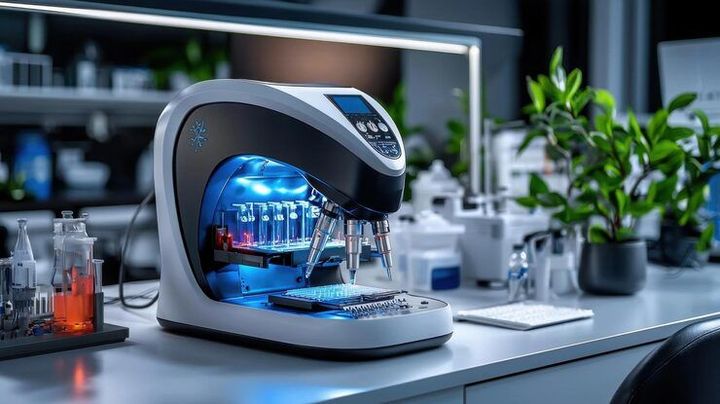
Laboratory Equipment in Germany: Advanced Solutions for Precision Analysis and Laboratory Performance
Laboratory equipment plays a central role in scientific research, quality assurance, healthcare diagnostics, environmental monitoring, and industrial testing. Modern laboratories depend on accurate instruments and advanced analytical systems to generate reliable results and support informed decision-making.
As scientific demands continue to grow, laboratories are increasingly adopting technologies that improve precision, efficiency, and data management. Equipment used for measurement, testing, analysis, and monitoring has become more sophisticated, enabling organizations to handle complex workflows while maintaining consistency.
Recent developments in laboratory automation, digital integration, and analytical software have transformed how laboratories operate. Many organizations worldwide are investing in technologies that improve workflow management, reduce human error, and enhance data traceability. These developments have strengthened laboratory performance across multiple sectors.
Laboratory equipment in Germany is often associated with precision engineering, advanced manufacturing standards, and continuous technological innovation. Understanding how these systems function and contribute to laboratory performance helps organizations make informed decisions regarding equipment selection, implementation, and operational strategies.
The following sections explore the importance of laboratory equipment, current industry developments, practical applications, and key considerations for achieving reliable analytical outcomes.
Who it affects and what problems it solves
Laboratory equipment affects a wide range of industries and professionals worldwide. Research institutions, healthcare laboratories, pharmaceutical organizations, biotechnology facilities, food testing centers, environmental agencies, manufacturing companies, and educational institutions all rely on analytical instruments to support their operations.
Scientists and laboratory technicians use precision equipment to conduct experiments, validate results, and maintain quality standards. Engineers depend on testing instruments to evaluate materials and manufacturing processes. Quality control specialists use laboratory systems to ensure product consistency and compliance with established standards.
One of the primary challenges laboratories face is maintaining accuracy while processing increasing volumes of samples. Advanced laboratory equipment helps address this issue through automation, standardized workflows, and improved analytical capabilities. These systems can reduce variability and support more reliable outcomes.
Another common challenge involves managing large amounts of data generated during testing procedures. Modern laboratory information systems and analytical software help organize, track, and interpret laboratory results more effectively.
Organizations also face operational concerns such as equipment maintenance, calibration requirements, workflow efficiency, and regulatory expectations. Properly selected laboratory equipment helps address these challenges while supporting productivity and long-term performance objectives.
A common mistake is assuming that advanced technology alone guarantees better results. Successful laboratory operations require proper training, routine maintenance, standardized procedures, and effective integration between instruments and laboratory management systems.
Recent updates and industry trends
Over the past year, laboratory technology has continued to evolve through increased automation, artificial intelligence integration, and enhanced digital connectivity. Many organizations globally are focusing on improving laboratory efficiency through smart instrumentation and automated workflows.
Recent industry research suggests that laboratories increasingly prioritize data accuracy, traceability, and interoperability between instruments and software platforms. Laboratory information management systems are becoming more integrated with analytical equipment, creating streamlined environments for data collection and reporting.
Automation remains a significant trend across laboratory operations. Automated sample preparation, robotic handling systems, and intelligent analytical platforms are helping laboratories process larger workloads while maintaining consistency.
Cloud-based laboratory management solutions have also gained attention. These platforms support remote monitoring, data access, collaboration, and performance tracking across multiple laboratory locations.
Many organizations globally are adopting predictive maintenance technologies that use sensors and analytics to identify potential equipment issues before operational disruptions occur. This approach supports equipment reliability and reduces unexpected downtime.
Sustainability has become another important consideration. Laboratories increasingly seek energy-efficient instruments, environmentally responsible materials, and resource optimization strategies to align with broader environmental objectives.
Comparison of laboratory equipment performance factors
Different laboratory technologies provide varying advantages depending on operational requirements. The following comparison highlights key performance considerations.
| Comparison Factor | Traditional Systems | Advanced Modern Systems |
|---|---|---|
| Efficiency | Moderate | High |
| Automation | Limited | Extensive |
| Scalability | Moderate | High |
| Maintenance Monitoring | Manual | Predictive and automated |
| Data Integration | Basic | Comprehensive |
| Processing Speed | Moderate | Fast |
| Reliability | Consistent | Highly optimized |
| Energy Use | Higher | More efficient |
| Implementation Complexity | Lower | Moderate to high |
| Integration Capability | Limited | Extensive |
| Remote Monitoring | Rare | Common |
| Workflow Standardization | Partial | Advanced |
The comparison demonstrates that modern laboratory systems generally provide greater automation, integration, and operational visibility. These capabilities can support improved productivity and analytical consistency.
However, implementation strategies should consider organizational needs, available expertise, infrastructure readiness, and long-term operational goals. Selecting equipment based solely on advanced features may not always align with specific laboratory requirements.
Regulations and practical guidance
Laboratories operate within structured frameworks that emphasize accuracy, safety, quality assurance, and documentation. International standards provide guidance for laboratory operations, equipment calibration, testing procedures, and quality management practices.
Regular calibration remains one of the most important requirements for maintaining analytical accuracy. Calibration schedules should follow manufacturer recommendations and recognized industry standards to ensure consistent performance.
Safety considerations are equally important. Laboratories should establish procedures for equipment operation, sample handling, maintenance activities, and emergency response planning. Proper training helps reduce operational risks and supports reliable outcomes.
Environmental considerations are receiving greater attention across laboratory environments. Resource conservation, energy-efficient equipment, waste management programs, and sustainable procurement strategies contribute to responsible laboratory operations.
Documentation and traceability also play critical roles in laboratory performance. Maintaining detailed records of calibration activities, maintenance schedules, testing procedures, and quality control measures supports transparency and continuous improvement.
Organizations should periodically review laboratory processes to identify opportunities for workflow optimization, technology upgrades, and performance enhancement while maintaining compliance with applicable standards.
Which option suits different situations?
Small operations:
Compact analytical instruments and modular laboratory systems often provide sufficient functionality while supporting efficient space utilization and manageable maintenance requirements.
Large-scale systems:
High-throughput automated platforms may be more suitable for laboratories processing significant sample volumes and requiring advanced workflow integration.
Beginners:
User-friendly instruments with intuitive software interfaces can simplify training and reduce operational complexity while supporting reliable analytical practices.
Experienced professionals:
Advanced analytical platforms with expanded customization, automation capabilities, and sophisticated reporting functions may better support specialized research and testing activities.
Growing organizations:
Scalable systems that support future expansion and integration with laboratory management software can provide long-term operational flexibility.
Tools and resources
Various tools and resources support effective laboratory management and analytical performance.
- Laboratory Information Management System (LIMS) — Organizes sample tracking, data management, and reporting processes.
- Calibration Management Software — Supports scheduling and documentation of calibration activities.
- Equipment Maintenance Tracking System — Monitors service intervals and maintenance records.
- Data Analytics Platform — Assists with interpreting laboratory results and identifying trends.
- Quality Management System — Supports documentation, audits, and continuous improvement activities.
- Electronic Laboratory Notebook — Facilitates digital recordkeeping and collaboration.
- Workflow Automation Software — Helps streamline repetitive laboratory processes and improve efficiency.
Frequently asked questions
What is laboratory equipment used for?
Laboratory equipment is used to perform scientific measurements, testing procedures, analytical evaluations, monitoring activities, and research applications. These instruments help laboratories generate reliable data, maintain quality standards, and support decision-making across healthcare, manufacturing, environmental, educational, and research sectors.
How does modern laboratory equipment improve accuracy?
Modern laboratory equipment improves accuracy through advanced sensors, automated calibration features, standardized workflows, digital controls, and integrated quality assurance mechanisms. These capabilities help reduce variability, minimize manual errors, and support consistent analytical performance across multiple testing applications.
What is the difference between automated and traditional laboratory systems?
Traditional laboratory systems often require greater manual involvement during testing and data recording processes. Automated systems incorporate software, robotics, and digital integration to streamline workflows, improve consistency, enhance data management, and increase processing efficiency while supporting standardized operational procedures.
Why is calibration important in laboratory operations?
Calibration ensures that instruments continue to produce accurate and reliable measurements over time. Regular calibration helps identify performance deviations, supports quality assurance objectives, maintains testing consistency, and contributes to compliance with recognized industry standards and laboratory best practices.
What future trends are expected in laboratory technology?
Future laboratory technology trends are expected to include greater automation, artificial intelligence applications, advanced data analytics, predictive maintenance systems, digital laboratory ecosystems, enhanced connectivity, and sustainability-focused equipment design. These developments may improve operational efficiency, data quality, and long-term laboratory performance.
Conclusion
Laboratory equipment remains fundamental to scientific research, analytical testing, quality assurance, and operational excellence across numerous industries. Advances in automation, digital integration, data management, and analytical precision continue to reshape laboratory environments worldwide. Organizations increasingly rely on sophisticated instruments and management systems to support accuracy, efficiency, and reliable outcomes.
Understanding equipment capabilities, operational requirements, maintenance considerations, and quality management practices helps laboratories maximize performance and maintain consistency. Careful evaluation of technology options ensures that laboratory systems align with specific operational objectives while supporting long-term growth and adaptability.
Looking ahead, global laboratory environments are likely to experience continued innovation in artificial intelligence, automation, sustainability initiatives, and connected laboratory ecosystems. Monitoring these developments will help organizations remain prepared for evolving analytical demands and emerging technological opportunities.