Kyoto Travel Guide: Serenity in Japan’s Historic Capital
Kyoto is one of Japan’s most significant cultural destinations. Located in the Kansai region, the city served as the nation's capital for more than one thousand years, from 794 until 1868. During this period, Kyoto became the center of Japanese politics, religion, art, architecture, and education.
Today, Kyoto is widely recognized for its preserved traditions, historic temples, shrines, gardens, tea houses, and seasonal landscapes. Unlike many modern metropolitan areas, Kyoto has maintained a strong connection to its historical identity while adapting to contemporary life.
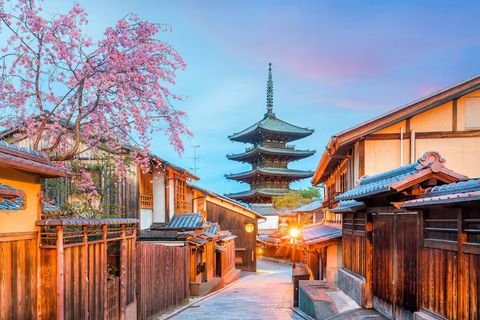
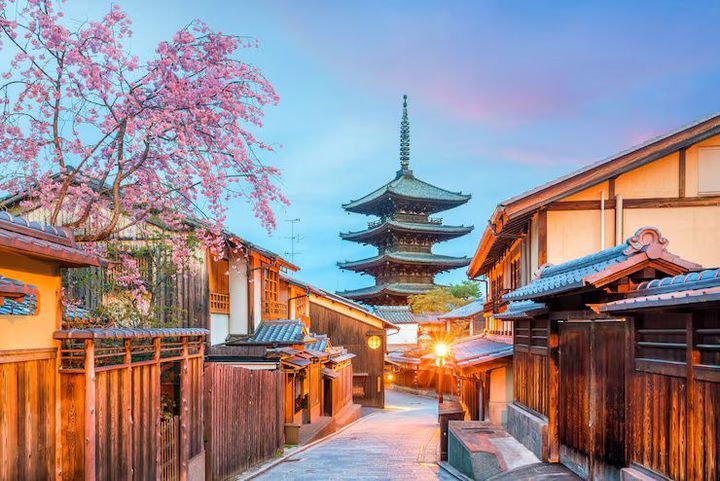
The city is home to hundreds of religious and cultural landmarks, many of which have been recognized as UNESCO World Heritage Sites. Visitors often associate Kyoto with traditional wooden buildings, geisha districts, cherry blossom viewing, autumn foliage, and Japanese cultural experiences.
Kyoto exists as an important link between Japan’s past and present. It provides an opportunity for people to learn about Japanese heritage while observing how historical preservation can coexist with modernization.
Key Characteristics of Kyoto
- Former imperial capital of Japan
- Center of traditional Japanese culture
- Home to numerous temples and shrines
- Known for gardens and seasonal scenery
- Important destination for cultural tourism
- Preserves historical architecture and customs
Why Kyoto Remains Important Today
Kyoto continues to play a major role in Japan’s cultural, educational, and tourism landscape. Its importance extends beyond sightseeing because it serves as a living example of historical preservation and cultural continuity.
For travelers, Kyoto offers insight into traditional Japanese customs that may be less visible in highly urbanized cities. Students, researchers, historians, and cultural enthusiasts frequently study Kyoto because of its contributions to architecture, religion, literature, and art.
The city also helps address an important challenge faced by many countries: preserving cultural heritage while supporting modern development. Kyoto demonstrates how historical districts can remain active and relevant without losing their original character.
Who Benefits from Kyoto’s Cultural Resources?
| Group | Benefits |
|---|---|
| Travelers | Cultural learning and historical exploration |
| Students | Educational opportunities and research |
| Historians | Access to preserved heritage sites |
| Photographers | Seasonal landscapes and architecture |
| Local Communities | Cultural identity preservation |
| International Visitors | Understanding Japanese traditions |
Kyoto also contributes to sustainable tourism discussions. Many local organizations promote responsible travel practices that encourage respect for cultural sites and local communities.
Popular Attractions Associated with Kyoto
- Historic temple complexes
- Traditional Japanese gardens
- Tea ceremony experiences
- Cultural museums
- Historic districts
- Scenic mountain and river landscapes
- Seasonal festivals and celebrations
Recent Updates and Travel Trends
Kyoto has experienced several developments during the past year as Japan continues to adapt to changing travel patterns and tourism management strategies.
Growth of Sustainable Tourism
During 2025 and early 2026, increased attention has been placed on sustainable tourism initiatives. Local authorities and tourism organizations have encouraged visitors to explore lesser-known neighborhoods and attractions to reduce crowding in heavily visited areas.
This trend aims to improve visitor experiences while protecting historical landmarks from excessive congestion.
Increased Digital Travel Support
Travel information systems have become more accessible through multilingual digital platforms. Enhanced navigation tools, transportation information, and digital maps help visitors move efficiently throughout Kyoto.
Seasonal Travel Trends
Recent travel data has shown strong interest in:
- Spring cherry blossom viewing
- Autumn foliage experiences
- Traditional cultural workshops
- Walking tours through historical districts
- Nature-focused excursions near Kyoto
Heritage Preservation Projects
Several restoration and preservation efforts have continued throughout 2025 and 2026. These projects focus on maintaining historical structures, protecting cultural artifacts, and preserving traditional craftsmanship techniques.
Travel Trend Overview
| Trend | Impact |
| Sustainable tourism | Reduced pressure on major sites |
| Digital travel planning | Improved visitor navigation |
| Cultural experiences | Greater interest in local traditions |
| Heritage restoration | Better preservation of landmarks |
| Regional exploration | Increased visits beyond central districts |
These developments reflect a broader movement toward responsible and educational travel experiences.
Laws and Policies Affecting Travel in Kyoto
Kyoto operates under Japanese national laws as well as local regulations designed to protect cultural heritage and maintain public order.
Understanding these policies helps visitors respect local customs and contribute positively to the preservation of historic areas.
Cultural Property Protection
Japan has comprehensive frameworks that protect important cultural properties. Historic temples, shrines, monuments, and traditional buildings often receive special legal protection.
These regulations help ensure that cultural assets remain preserved for future generations.
Heritage Conservation Rules
Many historical districts have guidelines concerning:
- Building modifications
- Architectural preservation
- Landscape protection
- Visual appearance standards
These measures help maintain Kyoto’s distinctive historical character.
Tourism Management Policies
Local authorities continue implementing policies intended to balance tourism growth with community needs. These initiatives may include visitor guidance systems, transportation planning, and educational campaigns promoting responsible behavior.
Environmental Protection Measures
Environmental policies support:
- Waste reduction
- Public cleanliness
- Green space conservation
- Sustainable transportation
Visitors are generally encouraged to follow local waste disposal rules and respect natural environments.
Public Conduct Expectations
Travelers should remain aware of local etiquette practices, particularly around religious sites and residential neighborhoods. Respectful behavior helps preserve positive relationships between visitors and local communities.
Helpful Tools and Resources for Kyoto Travel Planning
Modern travel planning often relies on a combination of digital and educational resources. Various tools can help visitors better understand Kyoto before and during their trip.
Navigation Resources
Useful navigation tools may include:
- Interactive maps
- Route planners
- Public transportation guides
- Walking route applications
These resources assist travelers in moving efficiently throughout the city.
Language Support Resources
Language tools can help with:
- Basic phrase translation
- Menu interpretation
- Transportation instructions
- Cultural communication
Cultural Learning Resources
Educational resources often provide:
- Historical background information
- Cultural etiquette guidance
- Museum information
- Heritage site explanations
Travel Planning Templates
Travel planning templates may help organize:
- Daily itineraries
- Transportation schedules
- Attraction lists
- Budget tracking
- Seasonal activity plans
Resource Comparison Table
| Resource Type | Purpose |
| Digital Maps | Navigation assistance |
| Route Planners | Transportation planning |
| Translation Tools | Communication support |
| Cultural Guides | Historical learning |
| Travel Templates | Trip organization |
| Weather Resources | Seasonal preparation |
Combining multiple resources often provides the most complete travel planning experience.
Frequently Asked Questions
Is Kyoto suitable for first-time visitors to Japan?
Yes. Kyoto offers a strong introduction to Japanese history, culture, architecture, and traditions. Many travelers include Kyoto in their first visit to Japan because of its cultural significance.
What is the best season to visit Kyoto?
Spring and autumn are generally popular because of cherry blossoms and colorful foliage. However, each season offers unique experiences, including summer festivals and winter scenery.
How many days are typically recommended for Kyoto?
Many visitors spend three to five days exploring Kyoto. This allows time to experience major landmarks, cultural districts, gardens, museums, and local traditions.
Are historical sites still actively used today?
Yes. Many temples and shrines continue serving religious and community functions while also welcoming visitors interested in cultural and historical learning.
Why is Kyoto considered culturally important?
Kyoto served as Japan’s capital for more than a millennium and remains one of the country’s most significant centers of traditional culture, architecture, religion, and arts.
Conclusion
Kyoto remains one of the world's most respected cultural destinations because of its remarkable combination of history, tradition, and modern accessibility. As Japan’s former imperial capital, the city continues to preserve centuries of architectural, religious, and artistic heritage while adapting to contemporary travel needs.