Hoi An Vietnam Guide: Lanterns, Tailors and Riverside Life
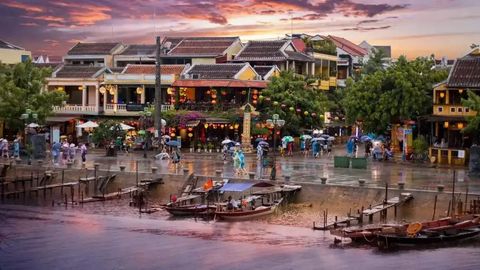
Hoi An is a historic city located along the central coast of Vietnam. Known for its colorful lanterns, preserved architecture, and riverside atmosphere, it has become one of the country's most recognized cultural destinations. The city sits near the Thu Bon River and has a history that stretches back hundreds of years.
During the 15th to 19th centuries, Hoi An was an important trading port. Merchants from China, Japan, India, and Europe visited the city, creating a blend of architectural styles, customs, and traditions. This international influence remains visible today in temples, assembly halls, old merchant houses, and wooden bridges.
One of the most distinctive features of Hoi An is its lantern culture. Every evening, lanterns illuminate the streets and riverbanks, creating a unique atmosphere that reflects local traditions. Tailoring is another important part of the city's identity. Skilled craftspeople continue to produce custom-made clothing using techniques passed down through generations.
The city's historical significance led to international recognition, helping preserve its cultural landmarks and traditions. Today, Hoi An serves as both a living community and an important cultural heritage destination.
Key Characteristics of Hoi An
| Feature | Description |
|---|---|
| Historic Architecture | Preserved buildings from multiple cultural influences |
| Lantern Tradition | Decorative lanterns displayed throughout the city |
| Tailoring Heritage | Long-standing tradition of custom clothing craftsmanship |
| Riverside Environment | Located along the Thu Bon River |
| Cultural Events | Festivals, traditional performances, and heritage activities |
Why Hoi An Remains Important Today
Hoi An continues to play an important role in preserving Vietnamese history and culture. As urban development expands across many regions, Hoi An provides an example of how historical preservation and modern life can coexist.
The city affects several groups:
- Local residents who maintain traditional practices
- Cultural researchers studying historical trade routes
- Visitors interested in heritage and architecture
- Artisans preserving traditional craftsmanship
- Environmental planners focused on sustainable tourism
One of the major challenges faced by many historic cities is balancing development with preservation. Hoi An addresses this issue by protecting significant cultural sites while supporting community activities and tourism.
The city also contributes to cultural education. People visiting Hoi An can learn about historical trade networks, traditional architecture, and local customs that have survived for centuries.
Another important aspect is environmental awareness. Since Hoi An is located near rivers and coastal areas, efforts to protect natural resources have become increasingly important. Sustainable tourism practices help reduce environmental pressure while supporting local communities.
Benefits of Cultural Preservation
- Protects historical landmarks
- Supports traditional craftsmanship
- Preserves local identity
- Encourages cultural education
- Strengthens community participation
Recent Updates and Trends in Hoi An
Several developments have influenced Hoi An during the past year. Throughout 2025 and early 2026, local authorities and community organizations continued focusing on cultural preservation, environmental sustainability, and visitor management.
One noticeable trend has been the growing emphasis on sustainable tourism. Programs encouraging reduced plastic usage, improved waste management, and environmental awareness have gained attention across the region.
Digital technology has also become more common in tourism management. Interactive information systems, digital maps, and multilingual visitor resources help people understand historical sites while reducing the need for printed materials.
Another trend involves cultural experiences that focus on authenticity. Visitors increasingly seek opportunities to learn traditional crafts, lantern-making techniques, cooking traditions, and local history rather than simply viewing attractions.
Recent Developments Timeline
| Period | Development |
| 2025 | Expansion of sustainability initiatives |
| Mid-2025 | Increased cultural heritage education programs |
| Late 2025 | Enhanced digital visitor information systems |
| Early 2026 | Continued focus on environmental protection |
| 2026 | Greater promotion of traditional artisan activities |
Climate adaptation has also become an important topic. Due to seasonal flooding and changing weather patterns, authorities continue evaluating methods to protect historic structures and riverside areas.
These developments demonstrate how Hoi An is adapting to modern challenges while maintaining its historical identity.
Laws and Policies Affecting Hoi An
Hoi An's cultural significance means that various laws and policies influence how the city is managed and preserved.
Vietnam has national heritage protection regulations designed to safeguard important cultural and historical sites. These regulations help ensure that restoration projects maintain historical accuracy and preserve architectural character.
Local authorities also implement planning frameworks that regulate construction activities within protected heritage areas. Such measures help prevent inappropriate development that could damage the city's cultural landscape.
Environmental policies play a growing role as well. Waste management initiatives, conservation programs, and sustainable tourism guidelines aim to reduce environmental impacts while supporting community well-being.
Main Policy Areas
- Heritage conservation regulations
- Historical building protection requirements
- Urban planning guidelines
- Environmental sustainability initiatives
- Tourism management frameworks
Community participation remains an important element of these policies. Residents, business owners, and cultural organizations often contribute to discussions regarding preservation and development priorities.
The combination of national regulations and local initiatives helps maintain Hoi An's unique cultural identity while supporting long-term sustainability.
Useful Tools and Resources for Learning About Hoi An
People interested in Hoi An can access a variety of educational and planning resources. These tools help users understand the city's history, culture, architecture, and tourism practices.
Digital Learning Resources
- Online cultural heritage archives
- Historical timeline databases
- Interactive city maps
- Language learning platforms
- Cultural education portals
Planning and Navigation Resources
- Digital itinerary templates
- Weather forecasting tools
- Route planning applications
- Translation resources
- Mapping platforms
Educational Resources
- Heritage preservation guides
- Architecture reference materials
- Cultural history publications
- Traditional craft learning materials
- Sustainable tourism information resources
Resource Comparison Table
| Resource Type | Purpose |
| Digital Maps | Navigation and location awareness |
| Heritage Archives | Historical research |
| Language Tools | Communication assistance |
| Educational Guides | Learning local culture |
| Weather Resources | Planning outdoor activities |
These resources help people gain a deeper understanding of Hoi An's cultural and historical significance.
Frequently Asked Questions
What is Hoi An most famous for?
Hoi An is best known for its lantern-lit streets, preserved historic architecture, riverside setting, and traditional tailoring craftsmanship.
Why are lanterns important in Hoi An?
Lanterns represent an important cultural tradition and contribute to the city's distinctive appearance. They are commonly used during festivals and evening celebrations.
Is Hoi An considered a historical destination?
Yes. Hoi An is recognized for its well-preserved historic district, which reflects centuries of cultural exchange and international trade.
How does Hoi An protect its cultural heritage?
The city follows heritage preservation regulations, restoration guidelines, urban planning controls, and community-based conservation efforts.
What makes Hoi An different from other Vietnamese cities?
Its combination of historical architecture, traditional craftsmanship, riverside culture, and strong preservation efforts creates a unique cultural environment.
Conclusion
Hoi An remains one of Vietnam's most significant cultural destinations. Its historic architecture, lantern traditions, tailoring heritage, and riverside setting provide valuable insight into the country's past and present. The city demonstrates how cultural preservation can coexist with modern development while maintaining community identity.