Kuala Lumpur Travel Guide for Culture and Attractions
Kuala Lumpur is the capital city of Malaysia and one of Southeast Asia’s major tourism and business centers. The city is widely recognized for combining modern architecture, multicultural traditions, public transport connectivity, and historic neighborhoods within a rapidly developing urban environment.
The name Kuala Lumpur means “muddy confluence,” referring to the location where two rivers meet. Over time, the city evolved from a small mining settlement into a global metropolitan center known for finance, tourism, technology, education, and international events.
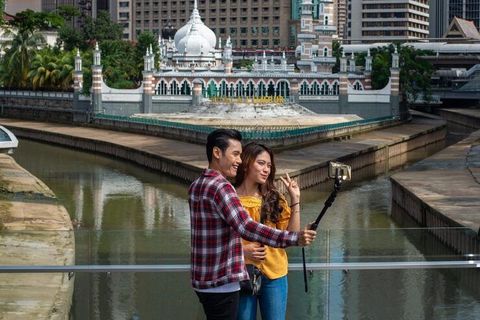
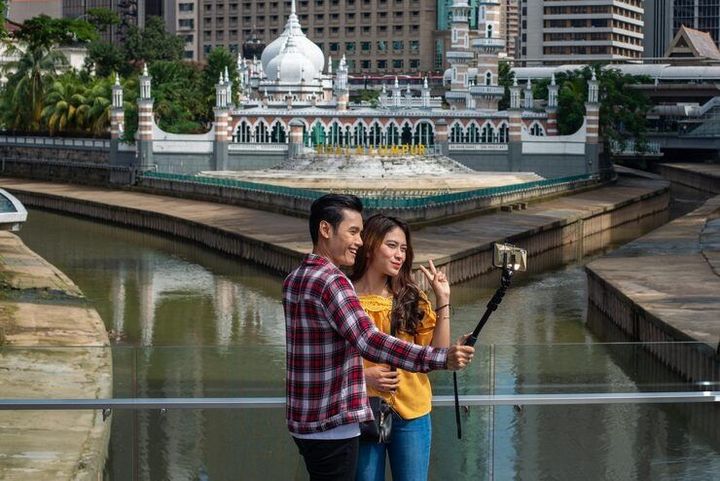
Today, Kuala Lumpur attracts travelers interested in modern city attractions, food culture, architecture, museums, religious landmarks, and shopping districts. Visitors often explore iconic sites such as tall observation towers, public parks, cultural streets, local markets, and historic colonial buildings.
The city reflects the diversity of Malaysia’s population. Malay, Chinese, Indian, and international communities contribute to local traditions, festivals, language, and cuisine. Because of this cultural mix, travelers can experience different customs, religious sites, and culinary styles within a single urban area.
The transportation infrastructure also plays an important role in tourism growth. Rail transit systems, airports, highways, and pedestrian-friendly districts help visitors move across the city more efficiently. Many travelers choose Kuala Lumpur as a gateway to other Malaysian destinations because of its central location and international airport connectivity.
Why Kuala Lumpur Matters in Modern Tourism
Kuala Lumpur continues to grow in importance due to its role in regional tourism, business travel, education, and cultural exchange. The city supports both domestic and international visitors through infrastructure development and tourism planning.
The city matters today for several reasons:
- It connects Southeast Asian travel routes
- It supports cultural tourism and heritage preservation
- It promotes urban transportation accessibility
- It attracts international conferences and events
- It encourages digital tourism experiences
Travelers often prefer Kuala Lumpur because it combines urban convenience with cultural experiences. Public transportation systems allow easier access to major attractions, while multilingual communication helps international visitors navigate the city more comfortably.
Another important factor is affordability compared to many global metropolitan cities. Travelers can experience museums, cultural districts, public parks, and street food environments without relying entirely on luxury tourism.
The city also plays a role in educational tourism. Universities and international schools attract students and researchers from different countries. This contributes to multicultural interaction and long-term tourism growth.
Below is a general overview of major tourism categories in Kuala Lumpur.
| Tourism Category | Main Features | Visitor Interest |
|---|---|---|
| Cultural Tourism | Temples, mosques, heritage streets | History and traditions |
| Urban Tourism | Towers, shopping areas, transit systems | Modern city experiences |
| Food Tourism | Multicultural cuisine and local markets | Culinary exploration |
| Nature Tourism | Parks and botanical spaces | Relaxation and recreation |
| Educational Tourism | Museums and universities | Learning experiences |
Digital travel planning has also changed visitor behavior. Travelers now rely on mobile maps, public transit apps, language translation tools, and digital ticketing systems to organize their trips more efficiently.
Recent Tourism Updates and Travel Trends
Kuala Lumpur has experienced several tourism-related developments during the past year. Tourism authorities and city planners have focused on transportation improvements, sustainable tourism strategies, and international visitor recovery.
In 2025 and early 2026, Malaysia continued efforts to strengthen tourism campaigns connected to regional travel growth. Airport modernization projects and public transport enhancements received attention to support increasing visitor numbers.
Several important trends have influenced Kuala Lumpur tourism recently:
- Growth in eco-conscious urban tourism
- Increased interest in cultural heritage districts
- Expansion of digital payment systems
- Wider use of contactless transportation services
- Greater demand for flexible travel planning
Tourism districts such as Chinatown, Bukit Bintang, and heritage areas near historical buildings have seen increased activity from international visitors. Travelers are also spending more time exploring local neighborhoods instead of focusing only on major landmarks.
Public transportation systems have expanded digital accessibility features, helping visitors use train routes, ticket systems, and navigation platforms more efficiently. Travel information centers have also increased multilingual support in key tourist zones.
Another noticeable trend is the popularity of night tourism. Evening food streets, illuminated city skylines, rooftop observation points, and cultural markets continue attracting visitors interested in urban experiences after sunset.
The chart below summarizes major travel trends influencing Kuala Lumpur tourism.
| Travel Trend | Impact on Visitors |
| Digital Transit Systems | Easier navigation and planning |
| Sustainable Tourism | Increased eco-awareness |
| Cultural Exploration | More interest in local heritage |
| Urban Night Tourism | Growth in evening attractions |
| Smart Travel Tools | Faster travel organization |
Regional tourism partnerships within Southeast Asia have also encouraged more connected travel experiences between neighboring countries.
Travel Regulations and Government Tourism Policies
Tourism in Kuala Lumpur is influenced by national and local regulations related to transportation, public safety, immigration, environmental management, and cultural preservation.
Malaysia’s tourism authorities support policies that encourage responsible tourism practices and urban sustainability. These regulations aim to balance economic development with cultural and environmental protection.
Important travel-related policy areas include:
- Public transportation regulations
- Environmental cleanliness initiatives
- Heritage conservation programs
- Tourism licensing frameworks
- International travel and immigration rules
Visitors are expected to follow local laws related to public behavior, cultural respect, and environmental responsibility. Religious and cultural locations may require modest dress and respectful conduct.
Transportation authorities continue implementing smart transit systems to improve passenger movement and reduce congestion in urban districts. Some tourism zones also include pedestrian-focused development strategies to improve safety and accessibility.
Malaysia has also promoted tourism campaigns connected to long-term economic planning. These initiatives support cultural preservation, local tourism businesses, and digital tourism infrastructure.
Environmental programs in urban parks and tourism districts encourage waste reduction and cleaner public spaces. Sustainable tourism policies have become more important as visitor numbers continue increasing.
Travelers are advised to review updated immigration requirements, transit procedures, and local regulations before international travel because policies may change depending on regional conditions and public administration updates.
Helpful Travel Tools and Visitor Resources
Modern travelers often depend on digital tools and information platforms when exploring Kuala Lumpur. These resources help improve navigation, communication, transportation access, and trip organization.
Useful travel resource categories include:
- Public transportation route planners
- Language translation applications
- Currency conversion calculators
- Weather forecasting platforms
- Digital travel itinerary templates
Navigation tools help travelers identify train routes, nearby attractions, and walking directions across busy city districts. Public transportation systems often integrate digital payment methods for easier commuter access.
Language translation tools are useful because Kuala Lumpur receives visitors from many countries. Although English is commonly used in tourism areas, translation resources can still improve communication in local markets and neighborhood districts.
Travel itinerary planners assist visitors in organizing cultural attractions, museums, parks, and transportation schedules more efficiently. Many travelers use mobile calendars and digital note systems for trip coordination.
Below is a simple overview of travel resource types.
| Resource Type | Purpose |
| Transit Planners | Route navigation |
| Translation Tools | Language assistance |
| Weather Platforms | Climate preparation |
| Currency Calculators | Budget planning |
| Digital Maps | Location guidance |
Educational travel resources also help visitors learn about local customs, festivals, and cultural etiquette before arrival. This supports respectful and informed tourism experiences.
Frequently Asked Questions About Kuala Lumpur
What is Kuala Lumpur best known for?
Kuala Lumpur is best known for modern skyscrapers, multicultural communities, public transportation systems, shopping districts, and cultural landmarks. The city combines urban development with historic and religious attractions.
When is the best time to visit Kuala Lumpur?
Many travelers prefer visiting during periods with lower rainfall and moderate weather conditions. However, Kuala Lumpur remains active throughout the year because of indoor attractions, shopping areas, museums, and public transportation access.
Is Kuala Lumpur suitable for family travel?
Yes. Families often visit parks, aquariums, museums, cultural districts, and public recreational areas. Transportation systems also make it easier for families to move between attractions.
What transportation options are available in the city?
The city provides trains, buses, airport transit systems, ride-sharing services, and pedestrian walkways in major tourism areas. Public transportation is commonly used by both residents and visitors.
Why is Kuala Lumpur considered culturally diverse?
The city includes Malay, Chinese, Indian, and international communities that contribute to local food, traditions, architecture, languages, and religious practices. This diversity shapes the city’s identity and tourism appeal.
Conclusion
Kuala Lumpur continues to develop as a major urban tourism destination in Southeast Asia. The city combines modern infrastructure with cultural diversity, historic districts, transportation accessibility, and digital travel convenience.
Travelers visiting Kuala Lumpur can explore architecture, food culture, museums, parks, and heritage areas while learning about Malaysia’s multicultural identity. Recent tourism trends also show increasing interest in sustainable travel, smart transportation systems, and local cultural experiences.