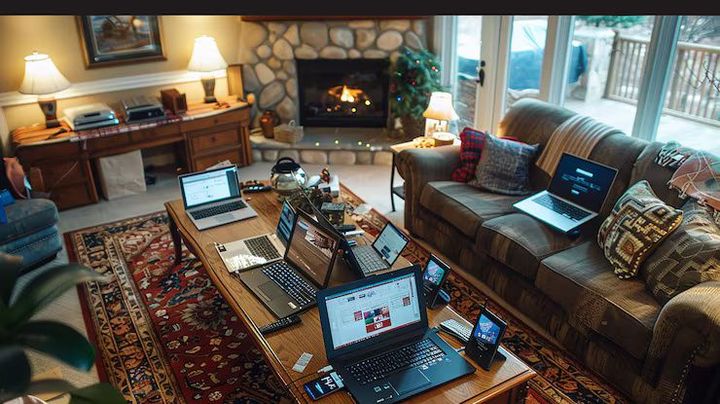
Is Traditional Apartment Renting Obsolete in the Age of Smart Tech? Trends and Insights
The apartment rental market has changed dramatically over the last decade. What once required multiple office visits, paperwork, and long approval processes can now happen with a smartphone. Digital innovation is reshaping how people search for homes, communicate with property managers, and manage everyday living.
Smart technology is no longer limited to luxury buildings. Many residential communities now include digital locks, mobile applications, energy management systems, and virtual property tours. These innovations are making apartment renting faster, safer, and more convenient.
But does this mean traditional apartment renting is becoming obsolete? The answer is more complex than a simple yes or no.
How Smart Technology Is Transforming Apartment Renting
Modern renters expect convenience. Technology has introduced tools that simplify nearly every step of the rental journey.
Virtual Apartment Tours
Potential tenants can now explore properties through high-quality virtual tours. This allows people to compare multiple apartments without traveling long distances.
Virtual viewing technology is especially useful for international relocations and remote workers who move frequently.
Digital Leasing Platforms
Paper contracts are gradually being replaced by secure digital documentation. Electronic agreements reduce delays and make record management easier for both landlords and tenants.
Digital apartment leasing systems also improve transparency because important information is stored securely and can be accessed when needed.
AI Property Management
Artificial intelligence is becoming an important part of modern real estate technology. AI-powered platforms can organize maintenance requests, answer common tenant questions, and monitor building operations.
Many property managers use predictive analytics to identify maintenance issues before they become expensive problems.
The Rise of Smart Home Apartments
Smart home features are becoming one of the strongest trends in the rental industry.
Smart Security Systems
Keyless entry, facial recognition, and mobile-controlled access improve security while reducing the need for physical keys.
Residents can receive instant notifications when visitors arrive or when unusual activity is detected.
Energy Management Technology
Smart thermostats and automated lighting systems help reduce energy consumption. These technologies support sustainability goals while improving living comfort.
Energy-efficient buildings are attracting environmentally conscious renters who value lower utility usage and modern infrastructure.
Connected Living Spaces
Voice assistants, automated appliances, and integrated home networks create a connected lifestyle that many younger renters expect.
As Internet of Things technology expands, smart apartments may become the standard rather than a premium feature.
Why Traditional Apartment Renting Still Matters
Despite technological progress, traditional renting methods continue to play an important role.
Human Interaction Builds Trust
Many people still prefer meeting property managers in person. Face-to-face conversations help build confidence and allow tenants to ask detailed questions.
Real estate remains a major financial commitment, and personal relationships often influence important decisions.
Not Every Market Has Equal Technology Access
In many regions, digital infrastructure is still developing. Smaller cities and rural communities may rely on conventional leasing practices because advanced technology is not yet widely available.
Global rental markets vary significantly, and adoption rates differ across countries.
Technology Cannot Replace Local Knowledge
Experienced property managers understand neighborhood trends, community culture, and tenant expectations. Their practical knowledge often provides value that software alone cannot deliver.
A balanced approach combining digital tools and human expertise often creates the best experience.
Smart Tech and the Future of Property Management
The property management industry is investing heavily in automation and data-driven decision-making.
Building sensors can monitor water systems, elevators, and heating equipment in real time. Maintenance teams receive alerts before equipment fails, reducing disruptions for residents.
Cloud-based property management platforms also centralize information, making communication more efficient.
Industry research suggests that digital transformation in real estate technology continues to accelerate as urban populations grow and demand for efficient housing solutions increases.
Benefits for Tenants
Smart apartment renting provides several practical advantages.
Faster Application Processes
Digital tenant screening and online verification tools reduce waiting times and simplify documentation.
Better Communication
Mobile applications allow residents to submit maintenance requests, receive community updates, and track service progress.
Improved Safety
Smart surveillance systems and digital access control can strengthen building security.
Greater Convenience
Automated rent payment systems and online account management reduce paperwork and make everyday tasks easier.
Challenges That Come With Smart Rental Technology
While innovation brings many advantages, it also creates new challenges.
Data Privacy
Smart devices collect information about building activity and energy usage. Protecting personal data remains an important concern for tenants and property owners.
Cybersecurity Risks
Connected systems require strong digital security measures. Weak protection could expose sensitive information to unauthorized access.
Technology Dependence
Power outages or software failures may temporarily affect smart building operations. Backup systems remain essential for reliable property management.
What the Future May Look Like
The future of apartment renting will likely combine traditional values with modern technology.
Artificial intelligence, machine learning, and advanced automation will continue improving efficiency. Smart cities may integrate residential buildings with transportation networks and public services.
At the same time, trust, transparency, and strong customer relationships will remain important parts of the rental experience.
Rather than making traditional apartment renting obsolete, smart technology is reshaping it into a more flexible and efficient system.
Final Thoughts
Smart technology is changing the global apartment rental market at a remarkable pace. Digital leasing, AI property management, smart security systems, and connected homes are creating new standards for convenience and efficiency.
However, traditional renting practices still provide personal interaction and local expertise that technology cannot fully replace.
The most successful rental communities are likely to combine advanced technology with human support, creating an experience that benefits both tenants and property managers.