Industrial Vacuum Packaging Explained: Automated Systems, Preservation Technology & Manufacturing Applications
Industrial vacuum packaging has become an essential part of modern manufacturing and product preservation. Industries around the world rely on vacuum packaging systems to protect products, extend shelf life, improve storage efficiency, and maintain quality during transportation.
Unlike conventional packaging methods, vacuum packaging removes air before sealing the package. This creates a controlled environment that helps preserve product integrity, reduce contamination risks, and improve storage efficiency.
As manufacturing facilities continue to adopt advanced technologies, automated vacuum packaging systems are playing a larger role in improving productivity, consistency, and product protection.
What Is Industrial Vacuum Packaging?
Industrial vacuum packaging is a packaging technique that extracts air from a package before it is sealed. By minimizing oxygen exposure, the process helps protect products from moisture, oxidation, contamination, and other factors that may affect quality.
This packaging method is commonly used for products that require long-term storage or additional protection throughout distribution and handling.
The primary goals of vacuum packaging include:
- Maintaining product quality
- Limiting environmental exposure
- Improving storage capabilities
- Supporting longer product preservation
Today, vacuum packaging is used across a wide range of manufacturing environments, from specialized production facilities to large-scale industrial operations.
How Vacuum Packaging Works
The process is based on a simple principle. Air is removed from the package, and the package is then sealed to maintain a low-oxygen environment.
This controlled condition helps preserve products and reduces the chances of deterioration caused by external factors.
Basic Packaging Procedure
Most industrial vacuum packaging operations follow these steps:
- Placing the product inside packaging material
- Removing air through a vacuum system
- Sealing the package securely
- Performing quality inspections
- Preparing products for storage or shipment
Although straightforward, modern systems use sophisticated controls to ensure consistent packaging quality.
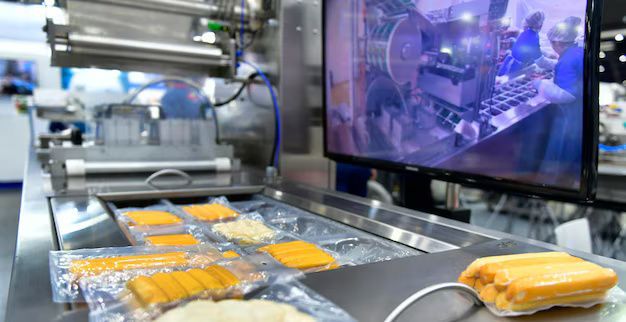
For example, a food processing facility may utilize automated vacuum packaging equipment to maintain freshness and improve product stability during transportation.
Major Components of Vacuum Packaging Equipment
Industrial vacuum packaging systems consist of several components working together to ensure reliable operation.
Vacuum Pumps
Vacuum pumps create the vacuum environment by extracting air from the package.
Their performance directly influences packaging effectiveness and overall preservation quality.
Sealing Systems
Once air removal is complete, sealing mechanisms close the package.
A secure seal is essential because packaging performance depends on maintaining the vacuum environment.
Automated Control Units
Modern systems include advanced control technology that monitors the packaging process.
These controls help regulate:
- Vacuum levels
- Sealing conditions
- Production performance
- Operational consistency
Product Handling Equipment
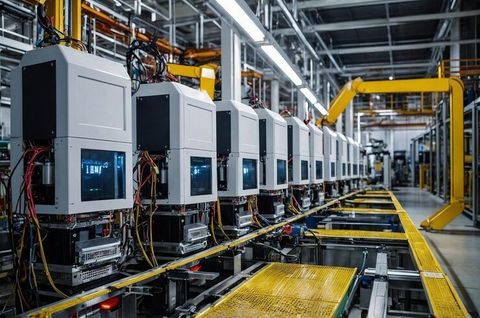
Automated conveyors and handling systems help move products efficiently through the packaging line.
This improves workflow and supports high-volume manufacturing operations.
Common Types of Vacuum Packaging Systems
Different industries require different packaging solutions. As a result, several vacuum packaging technologies are available.
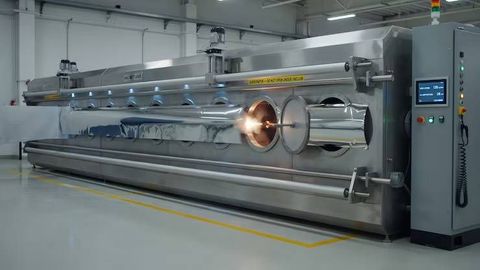
Chamber Vacuum Packaging Machines
In these systems, the package is placed inside a vacuum chamber where air is removed before sealing.
They are widely used for applications that require consistent packaging results.
External Vacuum Packaging Machines
These systems extract air from the package without placing the entire package inside a chamber.
They are suitable for larger products and specialized packaging requirements.
Thermoforming Vacuum Packaging Equipment
Thermoforming systems create packaging directly from roll-fed materials.
The process combines package formation, vacuum sealing, and final packaging within a highly automated production line.
Continuous Vacuum Packaging Systems
These systems are designed for large-scale production environments where efficiency and throughput are important.
They are frequently used in high-capacity manufacturing facilities.
Preservation Technology and Product Protection
One of the biggest advantages of vacuum packaging is its ability to improve product preservation.
By limiting exposure to oxygen and environmental contaminants, manufacturers can better protect products throughout their lifecycle.
Oxidation Reduction
Many products are affected by oxygen exposure over time.
Vacuum packaging helps reduce oxidation and supports better product stability during storage.
Moisture Management
Moisture can negatively affect many packaged products.
A vacuum-sealed environment helps minimize moisture-related concerns and maintain product quality.
Protection From External Contaminants
Vacuum packaging helps shield products from dust, particles, and other environmental contaminants.
This contributes to improved product integrity and reliability.
The Role of Automation in Vacuum Packaging
Automation has significantly improved industrial packaging operations. Modern systems can package large quantities of products while maintaining consistent quality standards.
Automated systems provide several important advantages:
- Reliable packaging consistency
- Improved production efficiency
- Reduced manual handling
- Better operational monitoring
For instance, a facility processing thousands of packaged units each day can maintain uniform packaging standards through automated vacuum packaging technology.
Manufacturing Applications of Vacuum Packaging
Vacuum packaging technology supports a wide variety of industries and manufacturing sectors.
Food Manufacturing
Food processors frequently use vacuum packaging to help preserve freshness and protect products throughout storage and distribution.
Applications include packaged ingredients, processed foods, dairy products, and meat products.
Pharmaceutical Production
Many pharmaceutical products require controlled packaging environments to help maintain stability and product quality.
Vacuum packaging provides an additional layer of protection for sensitive materials.
Electronics Manufacturing
Electronic components can be vulnerable to moisture and environmental contamination.
Vacuum packaging helps protect these products during transportation and storage.
Industrial Components
Numerous industrial products require protection from environmental conditions.
Examples include:
- Precision-engineered parts
- Bearings and assemblies
- Metal components
- Technical equipment
Vacuum packaging helps maintain quality until products are ready for use.
Benefits of Industrial Vacuum Packaging
Vacuum packaging provides several advantages across modern manufacturing operations.
Better Product Preservation
A controlled packaging environment helps maintain quality over extended periods.
Improved Storage Efficiency
Vacuum-sealed packages often require less storage space than conventional packaging methods.
Increased Product Protection
Reduced exposure to external conditions helps preserve product integrity during storage and transportation.
Consistent Packaging Performance
Automated systems support repeatable packaging quality throughout production.
These advantages contribute to improved operational efficiency and product management.
Quality Assurance in Vacuum Packaging
Quality control is a critical part of the vacuum packaging process.
Manufacturers monitor several factors to ensure packaging effectiveness.
Key Inspection Areas
Typical quality checks include:
- Seal strength verification
- Vacuum level validation
- Package appearance assessment
- Leak testing procedures
These inspections help confirm that packaging will perform effectively throughout storage and distribution.
Advanced facilities often use digital monitoring systems to support accurate quality evaluation.
Emerging Developments in Vacuum Packaging Technology
Packaging technology continues to evolve as industries seek greater efficiency and sustainability.
Smart Packaging Solutions
Modern equipment increasingly incorporates sensors and digital monitoring systems.
These technologies provide valuable operational data and real-time performance insights.
Sustainable Packaging Materials
Manufacturers are exploring environmentally responsible packaging materials while maintaining preservation performance.
Advanced Automation Systems
New automation technologies continue to improve packaging speed, accuracy, and production flexibility.
These innovations help manufacturers adapt to changing production demands.
Future Outlook for Industrial Vacuum Packaging
As industries continue to prioritize product protection, efficiency, and preservation, vacuum packaging technology will keep advancing.
Future developments are expected to focus on smarter automation, enhanced monitoring capabilities, and environmentally conscious packaging solutions.
These innovations will help manufacturers improve productivity while maintaining high packaging standards.
Conclusion
Industrial vacuum packaging is an essential technology in modern manufacturing. By combining preservation methods, automated systems, and reliable product protection, it helps maintain product quality across a wide range of industries.
From food production and pharmaceuticals to electronics and industrial components, vacuum packaging supports efficient storage, transportation, and product preservation. As technology continues to evolve, vacuum packaging will remain a valuable solution for manufacturers seeking greater efficiency, consistency, and long-term product protection.