Industrial Tanks Guide: Storage Systems, Fabrication Process & Industrial Applications
Industrial tanks are essential components in manufacturing plants, processing facilities, chemical industries, water treatment systems, and energy infrastructure. These tanks are designed to safely store liquids, gases, chemicals, and industrial materials under controlled conditions.
Modern industrial tanks are built using advanced fabrication methods, precision engineering, and specialized materials to ensure durability, safety, and long-term operational reliability.
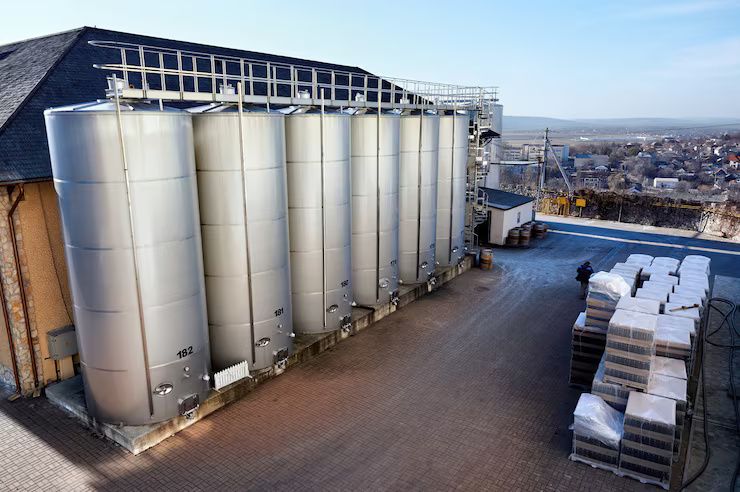
In this guide, we’ll explore industrial storage systems, the fabrication process involved in tank manufacturing, and the industrial applications that make these systems important across multiple sectors.
What Are Industrial Tanks?
Industrial tanks are large storage structures used for holding, processing, or transporting liquids, gases, and bulk industrial materials.
These tanks are manufactured in different sizes, shapes, and material configurations depending on operational requirements and environmental conditions.
Modern tank manufacturing focuses on:
- Structural durability and strength
- Safe storage performance
- Corrosion and pressure resistance
- Efficient industrial operation
These factors help ensure long-term performance and safety in industrial environments.
Importance of Industrial Storage Systems
Storage systems play a critical role in industrial operations because many industries depend on continuous material handling and process management.
Industrial tanks help maintain organized storage, controlled processing, and stable production workflows.
They support:
- Material storage and distribution
- Chemical and liquid handling
- Process system management
- Industrial safety and operational efficiency
Without reliable storage systems, industrial production processes would become difficult to manage efficiently.
Types of Industrial Tanks
Different industries require different tank designs depending on the material being stored and operating conditions.
Storage Tanks
Storage tanks are used for holding liquids, chemicals, fuels, and water for industrial operations.
These are among the most commonly used industrial tank systems.
Pressure Tanks
Pressure tanks are designed to operate under controlled pressure conditions.
They are widely used in gas processing and industrial fluid systems.
Mixing and Process Tanks
These tanks include internal systems for blending or processing industrial materials during production.
Underground Tanks
Underground tanks are installed below ground level for fuel, water, or chemical storage applications.
Stainless Steel Tanks
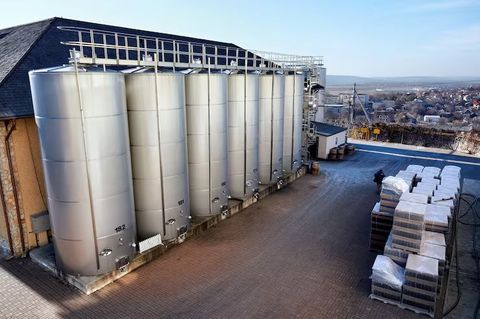
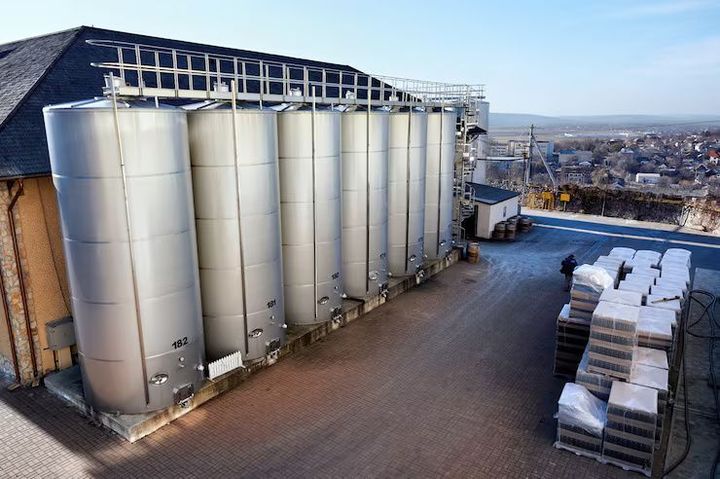
Stainless steel tanks are commonly used in food processing, pharmaceutical production, and chemical industries because of their corrosion resistance.
Raw Materials Used in Tank Fabrication
Material selection is one of the most important factors in industrial tank manufacturing.
Common Materials
- Carbon steel for structural strength
- Stainless steel for corrosion resistance
- Aluminum for lightweight applications
- Specialized alloy materials for chemical environments
The material depends on storage conditions, operating pressure, temperature, and chemical exposure.
For example, stainless steel is often used in hygienic processing industries because it provides excellent corrosion resistance and clean surface properties.
Industrial Tank Fabrication Process
The fabrication process involves several important stages designed to ensure strength, precision, and operational reliability.
1. Design and Engineering
The process begins with engineering design and technical planning.
Manufacturers create detailed designs based on storage capacity, pressure requirements, environmental conditions, and industry standards.
Computer-aided design systems help improve fabrication accuracy and structural analysis.
2. Material Cutting and Preparation
Metal plates and structural materials are cut according to design specifications.
Modern cutting technologies help maintain:
- Accurate dimensions
- Smooth edge quality
- Consistent fabrication precision
This stage is important for proper tank assembly.
3. Rolling and Forming
Tank sections are shaped using industrial rolling equipment.
This process forms cylindrical or curved structures required for tank bodies.
4. Welding and Assembly
Fabricated components are welded together to create the complete tank structure.
High-quality welding is critical because tank durability and leak resistance depend heavily on weld integrity.
5. Surface Treatment and Coating
Protective coatings may be applied to improve corrosion resistance and environmental durability.
Surface treatment also helps extend tank lifespan under harsh operating conditions.
6. Pressure and Leak Testing
Industrial tanks undergo strict inspection and testing procedures before approval.
Testing may include:
- Pressure testing
- Leak detection inspection
- Structural integrity evaluation
- Weld quality verification
These checks help ensure safe industrial operation.
7. Finishing and Installation Preparation
After testing, tanks may receive additional finishing, insulation, or external protective systems before transportation and installation.
Machinery Used in Industrial Tank Fabrication
Modern fabrication facilities rely on advanced industrial machinery for efficient and precise production.
Common Machinery
- CNC cutting machines
- Plate rolling systems
- Industrial welding equipment
- Surface treatment and blasting systems
- Pressure testing equipment
- Material handling systems
These machines help manufacturers improve fabrication accuracy and production efficiency.
Automation also supports consistent quality during large-scale production.
Importance of Quality Control in Tank Manufacturing
Quality control is essential because industrial tanks often operate under demanding conditions.
Manufacturers carefully monitor:
- Material quality and thickness
- Weld strength and integrity
- Dimensional accuracy
- Pressure handling capability
Strict inspection systems help improve operational safety and long-term reliability.
Industrial Applications of Tanks
Industrial tanks are used across multiple industries and infrastructure systems.
Oil and Gas Industry
Storage tanks are widely used for fuel storage, chemical handling, and refinery operations.
Chemical Processing Plants
Chemical industries use specialized tanks designed for corrosive materials and controlled processing systems.
Water Treatment Facilities
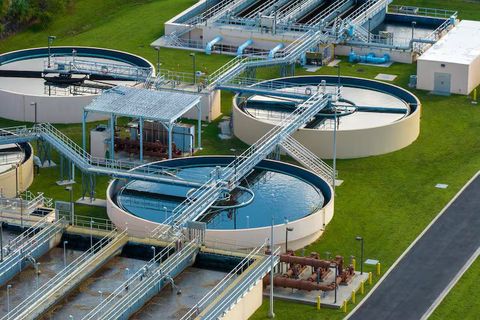
Water storage and treatment operations depend heavily on industrial tank systems.
Food and Beverage Industry
Stainless steel tanks support hygienic storage and processing applications.
Pharmaceutical Manufacturing
Specialized tanks are used for controlled production and material handling processes.
These applications demonstrate the importance of industrial tanks across global industries.
Advantages of Modern Industrial Tanks
Modern fabrication technologies provide several important benefits.
Key Advantages
- Strong structural durability
- Better corrosion resistance
- Efficient large-scale storage capability
- Improved operational safety and reliability
These advantages help industries maintain smooth and efficient operations.
Challenges in Industrial Tank Manufacturing
Despite technological advancements, industrial tank fabrication still involves several challenges.
Maintaining weld quality is extremely important because weak joints can affect safety and performance.
Material selection must also match operating conditions to prevent corrosion or structural failure.
Manufacturers additionally focus on environmental regulations, safety compliance, and efficient fabrication methods.
Future Trends in Industrial Tank Manufacturing
The industry continues evolving with advanced fabrication technologies and automation systems.
Emerging Trends
- Smart monitoring and sensor-integrated tanks
- Advanced corrosion-resistant materials
- Automated welding and fabrication systems
- Energy-efficient industrial storage solutions
These innovations are helping improve efficiency, safety, and operational reliability.
Practical Example of Industrial Tank Usage
Consider a modern chemical processing facility where multiple tanks are used for raw material storage, chemical mixing, and process handling.
Pressure tanks may regulate industrial gases while stainless steel tanks handle sensitive liquid materials under controlled conditions.
This example shows how different tank systems work together within a single industrial operation.
Conclusion
Industrial tank manufacturing is a highly specialized process that combines precision engineering, advanced fabrication technologies, industrial machinery, and strict quality control systems.
From material preparation and welding to testing and finishing, every production stage contributes to storage safety, structural durability, and long-term operational performance.
As industrial infrastructure continues expanding, modern storage systems and tank fabrication technologies will remain essential for supporting safe, efficient, and reliable industrial operations worldwide.