Industrial Magnet Technology Trends and Processing Guide
Industrial magnet technology refers to the use of magnetic systems and magnetic materials in industrial operations. These systems are designed to attract, separate, lift, filter, or process different types of metallic materials during manufacturing and processing activities.
Magnets have been used in industrial environments for decades because they help improve operational efficiency and support material handling processes. Today, industrial magnets are commonly used in sectors such as mining, automotive manufacturing, recycling, pharmaceuticals, electronics, food processing, renewable energy, and logistics.
Industrial magnets are generally divided into permanent magnets and electromagnets. Permanent magnets generate a magnetic field continuously, while electromagnets create magnetic force when electric current passes through them. Both technologies are widely used depending on industrial requirements.
The growth of industrial automation and smart manufacturing has increased the importance of magnetic technology. Factories now use advanced magnetic separation systems, magnetic conveyors, lifting magnets, magnetic sensors, and precision magnetic assemblies to support production lines and quality control systems.
Common Types of Industrial Magnets
| Magnet Type | Main Application | Key Feature |
|---|---|---|
| Permanent Magnets | Material separation | Continuous magnetic force |
| Electromagnets | Heavy lifting systems | Adjustable magnetic strength |
| Rare Earth Magnets | High-performance equipment | Strong magnetic power |
| Ferrite Magnets | Industrial machinery | Corrosion resistance |
| Magnetic Drums | Recycling systems | Metal separation capability |
Why Industrial Magnet Technology Matters Today
Industrial magnet systems are becoming more important because industries are focusing on automation, sustainability, and operational safety. Magnetic processing technologies help reduce contamination, improve production speed, and protect machinery from metal damage.
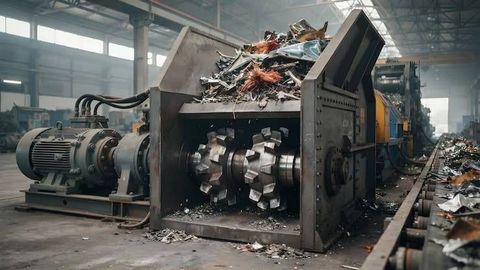
In food manufacturing, magnetic separators help remove small metal particles from production lines. In recycling facilities, magnets separate ferrous metals from waste materials. In mining operations, magnetic processing improves mineral separation efficiency. These applications help industries maintain product quality and reduce equipment downtime.
Industrial magnet technology also supports energy-efficient manufacturing. Many modern magnetic systems consume less energy compared to older mechanical separation methods. This contributes to lower operational emissions and improved environmental performance.
Another important factor is workplace safety. Magnetic lifting equipment reduces manual handling risks in heavy industries. Automated magnetic conveyors and robotic magnetic systems also help reduce workplace accidents.
Industries Influenced by Magnetic Processing Technology
Several industries now depend heavily on industrial magnetic systems:
- Automotive component manufacturing
- Electronics production
- Renewable energy equipment
- Metal recycling operations
- Mining and mineral processing
- Food and beverage manufacturing
- Pharmaceutical processing
- Waste management systems
- Logistics and warehouse automation
Industrial Magnet Benefits in Modern Processing
| Industrial Challenge | Magnetic Technology Solution |
|---|---|
| Metal contamination | Magnetic filtration systems |
| Equipment damage | Magnetic tramp metal removal |
| Slow sorting processes | Automated magnetic separation |
| Manual material handling | Magnetic lifting systems |
| Production inefficiency | Smart magnetic automation |
Recent Developments in Industrial Magnet Technology
The past year has seen several important developments in industrial magnet technology and processing systems.
During 2025, manufacturers increasingly focused on rare earth magnet efficiency because global demand for electric vehicles and renewable energy equipment continued rising. Advanced neodymium magnet applications became more common in industrial robotics and automated machinery.
Smart manufacturing trends also accelerated in 2025. Many factories integrated magnetic sensors with Industrial Internet of Things systems to improve predictive maintenance and equipment monitoring. These systems help manufacturers identify processing issues before equipment failures occur.
Another major trend involves environmentally responsible magnet production. Industrial sectors are researching recyclable magnetic materials and sustainable magnet manufacturing techniques to reduce dependence on critical raw materials.
Magnetic separation technology has also improved in recycling industries. New high-intensity magnetic separators now support better sorting of electronic waste, battery materials, and mixed industrial scrap.
In late 2025 and early 2026, several manufacturing sectors reported increased investment in automated magnetic handling systems due to growing labor efficiency requirements and industrial automation adoption.
Emerging Magnet Technology Trends
- AI-assisted magnetic processing systems
- High-temperature industrial magnets
- Lightweight magnetic assemblies
- Smart magnetic sensors
- Sustainable magnet recycling methods
- Advanced magnetic filtration systems
- Robotics-integrated magnetic equipment
Industrial Automation and Magnetic Systems
Automation remains one of the strongest drivers of industrial magnet innovation. Smart factories increasingly use magnetic positioning systems, automated conveyors, and magnetic robotic grippers for precision manufacturing.
Magnetic sensors are now integrated into many industrial monitoring systems because they help measure movement, rotation, temperature, and equipment alignment. These technologies support predictive maintenance programs and reduce unexpected downtime.
Industries are also exploring magnetic levitation systems for high-speed manufacturing applications. Although still developing, these technologies may improve energy efficiency and reduce mechanical friction in industrial environments.
Government Rules and Industrial Magnet Regulations
Industrial magnet technology is affected by multiple regulations related to workplace safety, environmental protection, manufacturing standards, and electronic waste management.
In many countries, industrial magnetic equipment must comply with electrical safety standards and electromagnetic compatibility regulations. These rules help ensure that magnetic systems do not interfere with nearby electronic equipment or create workplace hazards.
Manufacturing industries often follow occupational safety regulations related to magnetic lifting equipment, heavy machinery operations, and worker protection. Regular equipment inspections and maintenance procedures are commonly required.
Environmental policies are also influencing industrial magnet production. Governments in several regions are encouraging recycling of rare earth materials and responsible mining practices for magnetic raw materials.
Policy Areas Affecting Magnet Technology
| Policy Area | Impact on Industry |
|---|---|
| Workplace safety regulations | Equipment inspection requirements |
| Environmental standards | Sustainable material sourcing |
| Electronic waste policies | Magnet recycling programs |
| Manufacturing standards | Product quality control |
| Energy efficiency guidelines | Low-energy magnetic systems |
Global Focus on Rare Earth Materials
Rare earth materials are essential for high-performance industrial magnets. Governments worldwide are monitoring supply chain stability because these materials are important for electric vehicles, renewable energy systems, and industrial manufacturing.
Several countries introduced strategic mineral programs during 2025 to improve domestic supply chains and encourage material recycling. This trend may influence future industrial magnet production methods and material sourcing strategies.
Tools and Resources Related to Industrial Magnet Technology
Industrial professionals and researchers use many tools and resources to support magnetic system analysis, equipment monitoring, and industrial processing management.
Useful Industrial Magnet Resources
- Magnetic field strength calculators
- Industrial automation simulation software
- Equipment maintenance tracking platforms
- CAD design tools for magnetic assemblies
- Industrial process monitoring systems
- Material separation efficiency templates
- Manufacturing workflow analysis tools
- Technical training platforms for industrial automation
Educational Resources for Learning
People interested in industrial magnet technology often study subjects such as:
- Industrial engineering
- Materials science
- Electromagnetic systems
- Manufacturing automation
- Mechanical engineering
- Industrial safety management
- Robotics and smart manufacturing
Technical publications, engineering research papers, industrial exhibitions, and automation conferences also help professionals stay informed about new developments.
Industrial Magnet Applications in Sustainability
Sustainability has become a major topic in industrial processing. Magnetic systems help reduce industrial waste by improving recycling efficiency and separating reusable materials from production waste streams.
Recycling facilities now use advanced magnetic sorting systems to process metals from electronic devices, automotive components, and industrial scrap materials. This supports circular economy goals and resource conservation efforts.
Energy-efficient electromagnets and automated magnetic systems also contribute to lower energy consumption in manufacturing environments.
Frequently Asked Questions
What is industrial magnet technology used for?
Industrial magnet technology is used for material separation, lifting operations, contamination removal, automation systems, recycling processes, and industrial equipment protection.
Why are rare earth magnets important in industry?
Rare earth magnets provide strong magnetic performance in compact sizes. They are commonly used in robotics, electric motors, renewable energy equipment, and automated industrial systems.
How do magnetic separators work?
Magnetic separators attract ferrous materials from mixed substances using magnetic force. These systems help remove unwanted metal particles during industrial processing.
Which industries use industrial magnets the most?
Manufacturing, mining, recycling, automotive, electronics, food processing, logistics, and renewable energy sectors are major users of industrial magnet systems.
Are industrial magnets environmentally friendly?
Many industrial magnetic systems support sustainability because they improve recycling efficiency, reduce material waste, and help lower energy usage in industrial operations.
What are the latest trends in industrial magnet technology?
Recent trends include smart magnetic sensors, AI-assisted automation, sustainable magnet recycling, high-efficiency magnetic separators, and advanced industrial robotics integration.
Conclusion
Industrial magnet technology continues to evolve as industries focus on automation, sustainability, efficiency, and advanced manufacturing systems. From recycling plants to smart factories, magnetic processing solutions play a critical role in improving productivity and operational reliability.
Recent developments in rare earth materials, industrial automation, and magnetic sensor systems are shaping the future of industrial processing technology. Governments and industries are also paying greater attention to environmental standards, recycling policies, and energy-efficient manufacturing practices.