Industrial Heaters Basics: Understanding Types and Functions
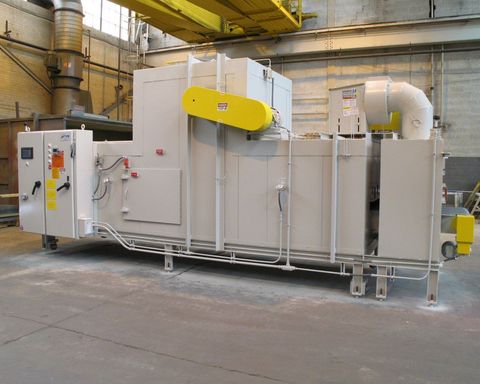
Industrial heaters are specialized devices designed to generate and transfer heat for manufacturing, processing, storage, and operational activities across various industries. They play a critical role in maintaining controlled temperatures for production processes, material treatment, drying, curing, melting, and environmental conditioning.
From chemical processing facilities to food manufacturing plants, industrial heating systems help organizations achieve consistent product quality, operational efficiency, and process reliability. Modern industrial heaters are available in multiple configurations and technologies, allowing industries to select solutions that match their specific heating requirements.
Understanding How Industrial Heaters Work
Industrial heaters convert energy into thermal energy and transfer that heat to air, liquids, gases, or solid materials. The heat source may be electricity, gas, oil, steam, or other energy forms.
The heating process typically follows three primary methods:
Conduction through direct contact
Convection through moving fluids or air
Radiation through electromagnetic heat transfer
Most industrial heating systems incorporate temperature sensors, controllers, safety devices, and insulation materials to maintain precise operating conditions.
Industrial Heater Types and Applications
| Heater Type | Primary Function | Common Applications |
|---|---|---|
| Electric Heaters | Convert electricity into heat | Manufacturing, laboratories, processing plants |
| Immersion Heaters | Heat liquids directly | Water tanks, chemical solutions, oil reservoirs |
| Infrared Heaters | Radiant heating without direct contact | Drying, curing, surface treatment |
| Duct Heaters | Heat moving air streams | HVAC systems, ventilation equipment |
| Circulation Heaters | Heat flowing liquids and gases | Petrochemical and industrial processes |
| Cartridge Heaters | Localized heating within equipment | Packaging, molds, machinery |
| Band Heaters | External heating around cylindrical surfaces | Plastic processing, extrusion systems |
Key Components of Industrial Heating Systems
Heating Elements
Resistance coils
Ceramic elements
Infrared emitters
Tubular elements
Temperature Control Systems
Digital thermostats
PID controllers
Smart monitoring devices
Automated control platforms
Safety Mechanisms
Over-temperature protection
Pressure relief systems
Thermal cutoffs
Emergency shutdown controls
Insulation Materials
Ceramic fiber insulation
Mineral wool
High-temperature coatings
Thermal barriers
Importance of Industrial Heaters
Industrial heaters support numerous production and operational activities that require controlled temperatures. Consistent heating can improve product quality, reduce process variations, and increase operational efficiency.
Industries often depend on industrial heating equipment to:
Maintain production consistency
Improve thermal efficiency
Support material processing
Enable temperature-sensitive manufacturing
Reduce production interruptions
Enhance workplace environmental conditions
Without reliable process heating equipment, many industrial operations would struggle to meet production requirements and quality standards.
Problems Solved by Industrial Heaters
Industrial heaters address several operational challenges.
Temperature Inconsistency
- Controlled heating ensures stable production environments and repeatable manufacturing outcomes.
- Many materials require specific temperatures to achieve desired physical or chemical properties.
- Drying and curing applications depend on reliable heat generation.
- Industrial heating systems help maintain productivity in facilities exposed to low temperatures.
- Accurate industrial temperature control minimizes defects caused by temperature fluctuations.
Features of Modern Industrial Heating Systems
Recent advancements have improved performance, efficiency, and monitoring capabilities.
Smart Controls
Remote monitoring
Automated adjustments
Digital interfaces
Predictive maintenance alerts
Energy Efficient Heating
Optimized power consumption
Improved insulation technologies
Variable output controls
Advanced thermal management
Integration Capabilities
Industrial IoT connectivity
SCADA compatibility
Cloud-based monitoring
Data analytics support
Enhanced Safety
Real-time diagnostics
Fault detection systems
Advanced shutdown mechanisms
Compliance monitoring
Recent Trends and Developments (2025–2026)
The industrial heating sector has experienced notable developments during 2025 and 2026.
Increased Electrification
- Many industries are transitioning from traditional fuel-based heating methods toward electric industrial heaters to support sustainability initiatives and improve energy management.
- Smart sensors and connected monitoring systems are becoming standard components in industrial heating solutions.
- These technologies provide operational insights and support predictive maintenance programs.
- Manufacturers increasingly use artificial intelligence and machine learning technologies to optimize heating cycles, improve process efficiency, and reduce energy consumption.
- Throughout 2025 and early 2026, organizations have continued implementing energy-efficient heating technologies as part of broader environmental and sustainability goals.
- New heating element materials and insulation technologies have improved durability, thermal performance, and equipment lifespan.
Regulations and Compliance Considerations
Industrial heating equipment is often subject to safety, efficiency, and operational requirements.
Common Regulatory Areas
Electrical safety standards
Workplace safety regulations
Environmental compliance requirements
Energy efficiency standards
Equipment certification requirements
Frequently Referenced Standards
IEC electrical safety standards
ISO quality management frameworks
Occupational safety regulations
Energy efficiency guidelines
Industrial equipment certification requirements
Organizations should verify applicable requirements based on their industry, operating location, and equipment type.
Useful Tools and Learning Resources
Industry Resources
Technical standards publications
Engineering reference manuals
Manufacturer documentation
Industrial automation guides
Software Platforms
SCADA systems
Industrial monitoring software
Energy management platforms
Predictive maintenance solutions
Learning Opportunities
Industrial engineering courses
Process heating training programs
Thermal management workshops
Industrial automation education
Professional Topics to Study
Heat transfer principles
Process heating equipment design
Industrial temperature control
Energy management strategies
Thermal system optimization
FAQs
What are industrial heaters used for?
Industrial heaters generate controlled heat for manufacturing, processing, drying, curing, melting, storage, and environmental conditioning applications across multiple industries.
Which industries commonly use industrial heaters?
Manufacturing, chemical processing, food production, pharmaceuticals, oil and gas, warehousing, and electronics industries frequently rely on industrial heating systems.
What is the difference between electric and infrared industrial heaters?
Electric heaters generate heat through electrical resistance, while infrared heaters transfer heat through radiation directly to surfaces without requiring contact.
Why is industrial temperature control important?
Accurate temperature control helps maintain product quality, improve process consistency, enhance efficiency, and reduce operational disruptions.
How are modern industrial heaters becoming more efficient?
Modern systems incorporate smart controls, advanced insulation, industrial IoT connectivity, predictive maintenance capabilities, and optimized energy management technologies.
Conclusion
Industrial heaters are essential components of modern industrial operations, supporting a wide range of heating, processing, and thermal management requirements. Their ability to provide controlled and reliable heat helps organizations improve productivity, maintain quality standards, and support efficient operations. Advances in smart controls, industrial IoT integration, energy-efficient heating technologies, and AI-assisted monitoring continue to shape the future of industrial heating systems. As industries pursue greater efficiency, sustainability, and process optimization, industrial heaters will remain a fundamental part of industrial infrastructure and manufacturing environments.