Industrial Gearbox Repair Explanation for Industrial Equipment Operations
Industrial gearbox repair is the process of diagnosing, restoring, and maintaining gearboxes used in manufacturing, mining, energy, transportation, and heavy industrial applications. A gearbox is a mechanical device that transfers power from a motor to equipment while adjusting speed and torque according to operational requirements.
Industrial gearboxes operate under demanding conditions. Continuous operation, heavy loads, vibration, contamination, and temperature fluctuations can gradually affect performance. Repairing a gearbox helps restore operational efficiency, extend equipment lifespan, and reduce unexpected downtime.
As industries increasingly focus on equipment reliability and predictive maintenance, industrial gearbox repair remains an essential component of modern asset management strategies.
Understanding Structure and Operation
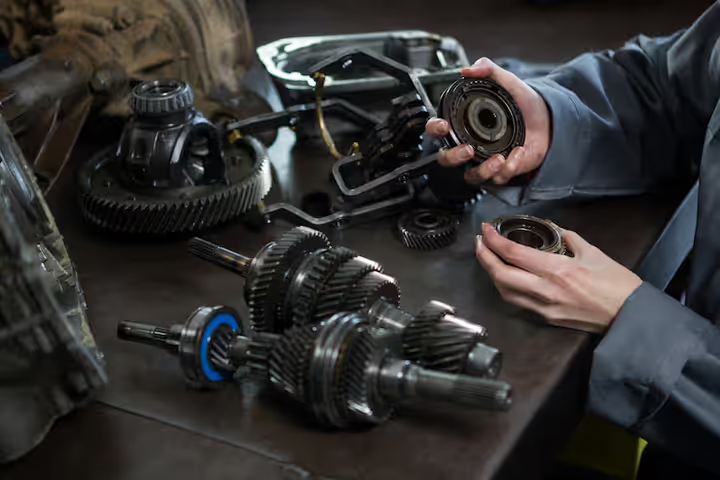
An industrial gearbox consists of multiple components working together to transmit mechanical power efficiently. The gearbox receives rotational energy from a motor and converts it into the desired speed and torque for industrial equipment.
Common gearbox designs include:
- Helical gearboxes
- Spur gearboxes
- Bevel gearboxes
- Worm gearboxes
- Planetary gearboxes
- Parallel shaft gearboxes
Power enters through an input shaft and passes through interconnected gears. These gears modify rotational speed and torque before delivering power through the output shaft.
Lubrication systems reduce friction and wear, while bearings support rotating components and maintain alignment during operation.
Major Components Found in Industrial Gearboxes
Key Components
- Input shaft
- Output shaft
- Gear sets
- Bearings
- Lubrication system
- Housing or casing
- Seals and gaskets
- Couplings
- Cooling mechanisms
- Monitoring sensors
Each component plays a critical role in maintaining efficient power transmission and equipment reliability.
Common Causes of Gearbox Failure
Industrial gearboxes are subjected to significant operational stress. Over time, several factors can contribute to performance degradation and failure.
Frequent Failure Causes
- Insufficient lubrication
- Contaminated lubricant
- Gear tooth wear
- Bearing deterioration
- Shaft misalignment
- Excessive vibration
- Overloading conditions
- Improper installation
- Corrosion
- Thermal stress
Even small issues can develop into significant mechanical failures if not identified and corrected promptly.
Typical Warning Signs Requiring Gearbox Repair
Recognizing early symptoms can prevent extensive damage and reduce downtime.
Warning Indicators
- Unusual noise during operation
- Increased vibration levels
- Elevated operating temperatures
- Oil leakage
- Reduced efficiency
- Metal particles in lubricant
- Irregular rotational movement
- Excessive energy consumption
- Bearing noise
- Gear tooth damage
Monitoring these indicators allows maintenance teams to schedule repairs before major failures occur.
Industrial Gearbox Repair Process
Repair procedures vary depending on gearbox type, operating conditions, and the extent of damage. However, most repair projects follow a structured approach.
| Repair Stage | Purpose |
|---|---|
| Inspection | Identify visible damage and operating issues |
| Disassembly | Access internal components |
| Cleaning | Remove contaminants and debris |
| Measurement | Check tolerances and wear levels |
| Component Evaluation | Assess gears, bearings, shafts, and seals |
| Replacement | Install new or refurbished components |
| Reassembly | Restore gearbox structure |
| Alignment Verification | Ensure proper mechanical positioning |
| Lubrication | Apply appropriate lubricants |
| Testing | Validate operational performance |
A systematic repair process improves reliability and helps restore original performance specifications.
Diagnostic Techniques Used During Repair
Modern maintenance teams rely on advanced diagnostic methods to identify faults accurately.
Common Diagnostic Methods
- Vibration analysis
- Oil analysis
- Thermography
- Ultrasound inspection
- Laser alignment checks
- Gear mesh analysis
- Endoscopic inspection
- Acoustic monitoring
- Condition monitoring systems
These techniques help detect hidden issues before disassembly and support more accurate repair decisions.
Importance of Industrial Gearbox Repair
Gearboxes are often critical assets within industrial production systems. A single gearbox failure can affect multiple production stages and reduce operational efficiency.
Benefits of Timely Repair
- Improved equipment reliability
- Extended gearbox lifespan
- Reduced downtime
- Better energy efficiency
- Enhanced operational safety
- Improved production continuity
- Lower component wear rates
- Better asset utilization
Repairing equipment before catastrophic failure supports long-term operational stability and maintenance planning.
Real-World Applications
Industrial gearboxes are widely used across numerous sectors.
Industries Using Industrial Gearboxes
- Manufacturing plants
- Mining operations
- Cement production facilities
- Steel processing plants
- Food processing industries
- Renewable energy systems
- Water treatment facilities
- Material handling systems
- Chemical processing facilities
- Marine operations
In these environments, gearbox reliability directly influences productivity and operational performance.
Maintenance Practices That Reduce Repair Frequency
Preventive and predictive maintenance programs can significantly reduce gearbox failures.
Recommended Maintenance Practices
- Regular lubricant inspection
- Scheduled oil replacement
- Vibration monitoring
- Temperature monitoring
- Alignment verification
- Bearing inspections
- Seal condition checks
- Contamination control
- Load monitoring
- Periodic condition assessments
A proactive maintenance strategy often identifies developing problems before major repairs become necessary.
Recent Trends and Developments (2025–2026)
The industrial maintenance sector has experienced significant technological advancements during the past year.
Emerging Developments
- Increased adoption of AI-assisted predictive maintenance systems in 2025
- Wider deployment of Industrial IoT sensors for continuous gearbox monitoring
- Growth in cloud-based condition monitoring platforms
- Expansion of digital twin technology for gearbox performance modeling
- Improved vibration analytics powered by machine learning algorithms
- Enhanced lubricant monitoring using smart sensor technology
- Greater integration of automated maintenance reporting systems
- Development of advanced wear-resistant gear materials introduced throughout 2025 and early 2026
Many industrial facilities now use real-time monitoring systems that continuously evaluate gearbox health and provide early warnings of potential failures.
Standards, Regulations, and Compliance Considerations
Industrial gearbox repair activities may be influenced by industry standards and equipment reliability requirements.
Common Standards and Guidelines
- ISO 9001 quality management requirements
- ISO 10816 vibration assessment standards
- ISO 20816 machinery vibration evaluation standards
- ISO 4406 hydraulic fluid cleanliness standards
- ANSI mechanical equipment guidelines
- Occupational safety regulations for industrial maintenance
- Environmental regulations governing lubricant handling and disposal
Organizations often incorporate these standards into maintenance and reliability programs to improve operational consistency.
Useful Tools and Learning Resources
Modern gearbox repair professionals rely on specialized equipment and educational resources.
Common Tools
- Vibration analyzers
- Laser alignment systems
- Torque measurement devices
- Thermal imaging cameras
- Oil analysis kits
- Dial indicators
- Bearing pullers
- Precision measuring instruments
- Ultrasonic testing equipment
- Condition monitoring sensors
Learning Resources
- Industrial maintenance training programs
- Reliability engineering courses
- Mechanical engineering textbooks
- Equipment manufacturer technical manuals
- Predictive maintenance certification programs
- Industrial automation learning platforms
- Condition monitoring workshops
- Reliability and asset management publications
These resources help maintenance personnel improve diagnostic accuracy and repair effectiveness.
Future Outlook for Industrial Gearbox Repair
The future of industrial gearbox repair is increasingly connected to digital maintenance technologies. Predictive analytics, machine learning, and Industrial IoT systems are transforming how organizations monitor and maintain critical equipment.
As sensor technologies become more accessible, maintenance teams will be able to identify potential gearbox issues earlier and make data-driven repair decisions. This approach supports higher equipment availability, improved safety, and greater operational efficiency.
Organizations investing in advanced monitoring systems and structured maintenance programs are expected to achieve better long-term reliability outcomes.
FAQ
What is industrial gearbox repair?
Industrial gearbox repair involves inspecting, diagnosing, restoring, and testing gearbox components to return equipment to proper operating condition.
How often should industrial gearboxes be inspected?
Inspection frequency depends on operating conditions, load levels, and manufacturer recommendations. Many facilities perform routine inspections monthly and detailed condition assessments several times per year.
What causes most gearbox failures?
Common causes include lubrication problems, contamination, bearing wear, misalignment, excessive loads, and inadequate maintenance practices.
Can predictive maintenance reduce gearbox failures?
Yes. Predictive maintenance technologies such as vibration analysis, oil analysis, and condition monitoring systems help identify problems early and reduce unexpected failures.
Why is vibration analysis important in gearbox maintenance?
Vibration analysis can detect gear wear, bearing defects, imbalance, misalignment, and other developing issues before they become severe enough to cause equipment failure.
Conclusion
Industrial gearbox repair plays a vital role in maintaining the reliability, efficiency, and longevity of industrial machinery. By understanding gearbox structure, recognizing warning signs, applying effective diagnostic methods, and following proactive maintenance practices, organizations can reduce downtime and improve equipment performance.
Recent advances in predictive maintenance, Industrial IoT monitoring, artificial intelligence, and digital asset management continue to enhance gearbox reliability strategies. As industrial operations become increasingly data-driven, effective gearbox repair and maintenance remain essential for achieving sustainable operational excellence and long-term equipment health.