Hydrogen Equipment Manufacturing: Complete Guide to Technologies, Systems, and Industrial Applications
Hydrogen is becoming an important part of the global energy transition.
As industries look for cleaner energy solutions, hydrogen technology is gaining attention in transportation, power generation, manufacturing, and industrial operations. Behind this growing sector is hydrogen equipment manufacturing, a field focused on developing the machines, systems, and infrastructure needed to produce, store, transport, and use hydrogen efficiently.
Hydrogen equipment manufacturing supports many industrial energy systems and renewable energy projects. It plays a key role in helping organizations reduce emissions while maintaining reliable energy production. Understanding how hydrogen equipment works provides valuable insight into one of the fastest-growing areas of modern industrial development.
Understanding the Concept
Hydrogen equipment manufacturing involves the design and production of specialized equipment used throughout the hydrogen value chain. The hydrogen value chain includes production, storage, distribution, and utilization.
Hydrogen itself is the most abundant element in the universe, but it rarely exists in a pure form on Earth. Therefore, specialized hydrogen production equipment is required to separate hydrogen from water, natural gas, or other sources.
Manufacturers create a wide range of equipment that supports hydrogen energy systems, including electrolyzers, storage tanks, compressors, pipelines, fuel cell components, and monitoring systems. These technologies work together to make hydrogen available for industrial and commercial applications.
As renewable energy becomes more common, hydrogen infrastructure is increasingly being integrated with solar energy systems, wind energy projects, and industrial power solutions.
Key Types or Categories
Hydrogen equipment manufacturing includes several major categories that serve different functions within the hydrogen ecosystem.
Hydrogen Production Equipment
Production equipment generates hydrogen from various sources.
Common technologies include:
- Water electrolyzers
- Steam methane reforming units
- Biomass conversion systems
- Renewable hydrogen production units
Electrolyzers are particularly important because they use electricity to split water into hydrogen and oxygen.
Hydrogen Storage Systems
Once hydrogen is produced, it must be stored safely.
Storage technologies include:
- High-pressure storage tanks
- Liquid hydrogen containers
- Underground storage facilities
- Metal hydride storage systems
These systems help maintain hydrogen availability for future use.
Hydrogen Compression Equipment
Hydrogen gas often requires compression before transportation or storage.
Compression equipment includes:
- Industrial compressors
- Pressure management systems
- Gas handling units
- Safety control mechanisms
These components help move hydrogen efficiently through industrial networks.
Hydrogen Fuel Cell Components
Fuel cells convert hydrogen into electricity through an electrochemical process.
Important components include:
- Fuel cell stacks
- Membrane assemblies
- Power management units
- Cooling systems
Fuel cell technology is widely used in transportation and backup power applications.
Important Subsections
Electrolyzer Technologies
Electrolyzers are among the most important pieces of hydrogen production equipment.
Major electrolyzer types include:
- Alkaline electrolyzers
- Proton exchange membrane electrolyzers
- Solid oxide electrolyzers
Each technology has unique advantages depending on energy availability, efficiency requirements, and industrial applications.
Hydrogen Safety Systems
Hydrogen is highly flammable, making safety a critical consideration.
Safety equipment includes:
- Leak detection sensors
- Pressure monitoring devices
- Emergency shutdown systems
- Ventilation controls
These systems help maintain safe industrial operations.
Hydrogen Distribution Infrastructure
Hydrogen infrastructure supports transportation from production facilities to end users.
Distribution methods include:
- Dedicated pipelines
- Tube trailers
- Liquid hydrogen transport systems
- Industrial distribution networks
Reliable infrastructure is essential for large-scale hydrogen adoption.
Industrial Monitoring Equipment
Monitoring equipment helps operators track system performance.
Examples include:
- Flow measurement devices
- Pressure indicators
- Temperature sensors
- Performance analytics systems
Continuous monitoring improves operational efficiency and reliability.
How It Works
Hydrogen equipment manufacturing supports a process that moves hydrogen from production to final use.
Step 1: Hydrogen Production
Hydrogen is produced using specialized equipment such as electrolyzers or reforming units.
In renewable hydrogen production, electricity generated from solar panels or wind turbines powers electrolyzers that split water molecules into hydrogen and oxygen.
Step 2: Purification
After production, hydrogen may contain impurities.
Purification systems remove unwanted substances and improve hydrogen quality for industrial use.
Step 3: Compression and Storage
The purified hydrogen is compressed and stored.
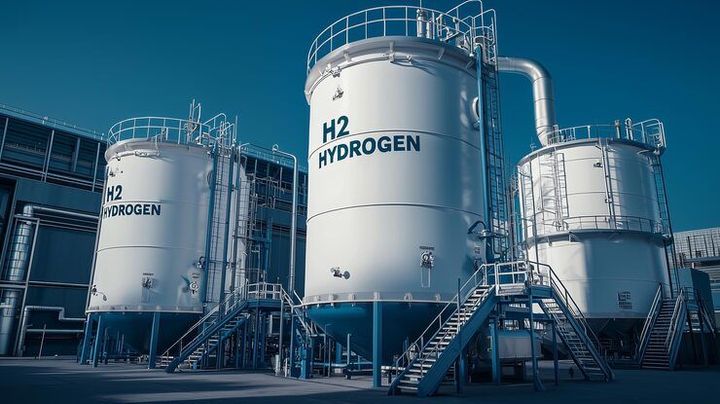
High-pressure storage systems make it possible to hold large quantities of hydrogen within manageable spaces.
Step 4: Transportation
Hydrogen is transported through pipelines, containers, or specialized transport vehicles.
Distribution infrastructure ensures hydrogen reaches industrial facilities, fueling stations, and power generation sites.
Step 5: End Use Applications
Hydrogen can then be used in several ways:
- Fuel cell power generation
- Industrial manufacturing processes
- Transportation systems
- Energy storage solutions
The equipment manufacturing sector supports every stage of this process.
Benefits and Advantages
Hydrogen equipment manufacturing provides several important benefits across industries.
Supports Clean Energy Development
Hydrogen technologies support cleaner energy production when combined with renewable energy systems.
This helps industries diversify their energy sources.
Energy Storage Capability
Hydrogen can store excess renewable energy generated during periods of high production.
Stored hydrogen can later be converted back into electricity when needed.
Industrial Flexibility
Hydrogen can support various sectors, including:
- Heavy manufacturing
- Transportation
- Power generation
- Chemical processing
This versatility increases its industrial value.
Supports Energy Security
Diversified energy resources can help reduce dependence on a single energy source.
Hydrogen infrastructure contributes to a more balanced energy ecosystem.
Long-Term Infrastructure Potential
Hydrogen systems can be integrated into existing industrial energy networks, supporting gradual energy transitions without requiring complete infrastructure replacement.
Real-World Examples or Applications
Hydrogen equipment manufacturing supports many real-world applications.
Transportation Industry
Fuel cell vehicles use hydrogen to generate electricity that powers electric motors.
Examples include:
- Heavy trucks
- Buses
- Trains
- Industrial transport vehicles
Hydrogen-powered transportation is particularly useful for long-distance operations.
Industrial Manufacturing
Many industrial processes already use hydrogen.
Industries include:
- Steel production
- Chemical manufacturing
- Refining operations
- Fertilizer production
Advanced hydrogen systems improve efficiency within these sectors.
Renewable Energy Integration
Renewable energy projects increasingly incorporate hydrogen production equipment.
For example, a wind farm may generate excess electricity during periods of strong wind. That electricity can power electrolyzers and create hydrogen for later use.
Power Generation
Hydrogen fuel cells provide reliable electricity for:
- Data centers
- Telecommunications facilities
- Critical infrastructure
- Remote industrial locations
These applications benefit from consistent and dependable power generation.
Maritime and Aviation Development
Researchers are exploring hydrogen technologies for ships and aircraft.
Specialized hydrogen storage systems and fuel technologies are helping support these emerging transportation solutions.
Important Factors to Understand
Several factors influence the effectiveness of hydrogen equipment manufacturing.
Production Efficiency
Efficiency determines how effectively energy is converted into hydrogen.
Advanced electrolyzer technologies continue improving overall performance.
Infrastructure Development
Hydrogen adoption depends heavily on the expansion of production, storage, and transportation infrastructure.
Well-developed infrastructure improves accessibility and reliability.
Equipment Durability
Industrial environments require equipment capable of operating under demanding conditions.
Manufacturers focus on materials and engineering methods that enhance durability and operational lifespan.
Safety Standards
Strict safety protocols are necessary when handling hydrogen.
Compliance with industrial standards helps maintain safe operations across the hydrogen value chain.
Integration with Renewable Energy
The combination of hydrogen technology and renewable energy systems is becoming increasingly important.
Successful integration can improve energy utilization and reduce emissions.
Future Trends and Industry Insights
Hydrogen equipment manufacturing is expected to evolve significantly in the coming years.
Expansion of Green Hydrogen Projects
Green hydrogen refers to hydrogen produced using renewable electricity.
Many countries are investing in green hydrogen infrastructure to support long-term energy goals.
Larger Industrial Hydrogen Facilities
Industrial-scale hydrogen production facilities are becoming more common.
These facilities require advanced manufacturing equipment, storage systems, and distribution networks.
Improved Electrolyzer Performance
Manufacturers continue developing next-generation electrolyzers with higher efficiency and greater production capacity.
These advancements may improve overall hydrogen economics and scalability.
Growth of Hydrogen Fuel Cell Technology
Fuel cell technology is expanding across transportation, industrial equipment, and stationary power generation.
This growth increases demand for specialized manufacturing systems and components.
Digital Monitoring and Automation
Modern hydrogen facilities increasingly utilize automation, smart sensors, and advanced monitoring technologies.
These systems help improve performance, reliability, and operational management.
Global Infrastructure Investment
Governments and private organizations are investing heavily in hydrogen infrastructure.
This includes:
- Production facilities
- Storage networks
- Transportation systems
- Refueling stations
- Industrial energy systems
Such investments continue accelerating industry development.
Conclusion
Hydrogen equipment manufacturing is a vital part of the evolving clean energy landscape. It encompasses a wide range of technologies, including hydrogen production equipment, storage systems, compression units, fuel cell components, and distribution infrastructure.
These technologies support industrial energy systems, renewable energy integration, transportation applications, and power generation projects. As global interest in hydrogen technology continues growing, manufacturers play a critical role in developing the equipment needed to make hydrogen more accessible and practical.
With ongoing advancements in electrolyzer technology, hydrogen infrastructure, fuel cell systems, and renewable hydrogen production, the industry is positioned to become an increasingly important component of future energy strategies. Understanding hydrogen equipment manufacturing provides valuable insight into the technologies shaping the next generation of industrial and energy development.