Industrial Air Compressors Overview for Efficient Operations
Industrial air compressors play an important role in modern manufacturing, construction, automotive production, and energy systems. These machines convert power into compressed air, which is then used to operate tools, machinery, and automated equipment. From assembly lines to heavy-duty workshops, compressed air systems improve productivity and help maintain consistent operational performance.
As industries continue to adopt automation and energy-efficient technologies, the demand for industrial air compressors continues to grow. Different compressor types are designed to meet specific industrial requirements, including continuous operation, high-pressure output, and low maintenance performance.
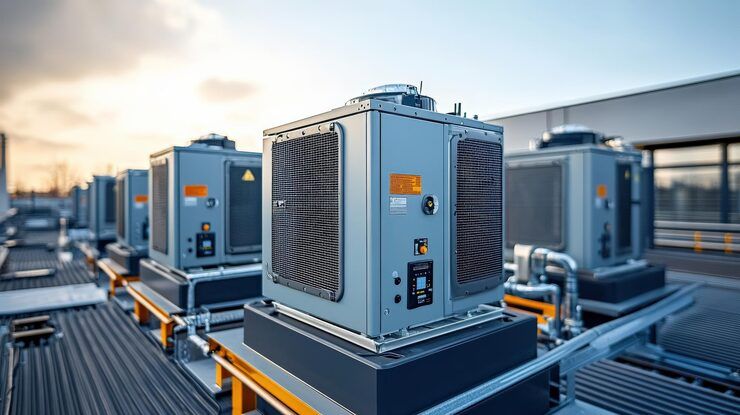
Understanding Industrial Air Compressors
An industrial air compressor is a machine that increases air pressure by reducing air volume. The compressed air is stored and distributed through pipelines or tanks to power various industrial processes. These systems are commonly used in factories, warehouses, mining sites, food processing facilities, and transportation sectors.
Industrial compressors are available in several configurations depending on operational needs. Some models are designed for portable applications, while others are built for large-scale fixed installations.
Common Functions of Industrial Compressors
Industrial compressor systems are used for:
- Operating pneumatic tools
- Supporting production automation
- Powering spray painting systems
- Assisting material handling equipment
- Running HVAC and refrigeration systems
- Maintaining clean air supply for manufacturing
Many industries depend on heavy duty air compressors because they can operate continuously under demanding conditions without performance interruptions.
Types of Industrial Air Compressors
Several compressor types are available in industrial environments. Each design provides different pressure capacities, airflow performance, and operational advantages.
| Compressor Type | Main Application | Key Feature |
|---|---|---|
| Reciprocating Compressor | Workshops and repair facilities | High-pressure output |
| Rotary Screw Compressor | Manufacturing plants | Continuous operation |
| Centrifugal Compressor | Large industrial systems | High airflow capacity |
| Scroll Compressor | Medical and laboratory use | Quiet performance |
| Vertical Air Compressors | Limited floor space areas | Space-saving design |
Vertical air compressors are commonly selected for facilities with limited installation space. Their upright structure allows easier placement while still providing efficient compressed air storage.
Importance of Heavy Duty Air Compressors
Heavy duty air compressors are designed for industries that require constant airflow and long operating hours. These compressors are engineered with durable internal components and advanced cooling systems to handle intense workloads.
Industries such as mining, construction, and automotive manufacturing often use heavy-duty systems because they can support multiple machines simultaneously. Reliable compressor performance reduces downtime and supports smoother production cycles.
Benefits of Heavy Duty Compressor Systems
Some important advantages include:
- Stable airflow for continuous production
- Improved operational efficiency
- Reduced risk of system shutdowns
- Long equipment lifespan
- Better support for automated processes
Modern industrial compressor systems also include energy management controls that optimize airflow based on operational demand.
Role of Air Compressor Manufacturers
Air compressor manufacturers continue to develop advanced technologies that improve efficiency, reduce noise levels, and enhance durability. Manufacturers focus on creating systems that meet industrial safety standards while minimizing energy consumption.
Today’s industrial compressor market includes a wide range of global and regional manufacturers offering customized solutions for different industries. Many systems now feature digital monitoring panels, variable speed drives, and remote diagnostic capabilities.
Choosing the right manufacturer often depends on several factors:
- Compressor capacity requirements
- Energy efficiency standards
- Maintenance accessibility
- Environmental operating conditions
- Long-term reliability
Air compressor manufacturers also provide systems designed for specialized industries such as pharmaceuticals, electronics, and food processing.
Industrial Compressor Efficiency and Energy Usage
Energy efficiency has become one of the most important considerations in industrial operations. Compressed air systems can account for a significant portion of industrial electricity consumption. Because of this, companies increasingly focus on optimizing compressor efficiency.
Efficient industrial compressor systems help reduce operational strain and improve equipment productivity. Several factors influence compressor performance, including system design, airflow demand, and maintenance quality.
Factors Affecting Compressor Efficiency
| Factor | Impact on Performance |
|---|---|
| Air Leakage | Reduces system efficiency |
| Poor Maintenance | Increases energy usage |
| Incorrect Sizing | Causes unnecessary workload |
| Dirty Filters | Restricts airflow |
| High Operating Temperature | Lowers compressor lifespan |
Proper monitoring and preventive maintenance can significantly improve system reliability and efficiency.
Vertical Air Compressors in Industrial Facilities
Vertical air compressors are gaining popularity because they combine performance with compact installation benefits. These compressors are especially useful in workshops, garages, and industrial facilities where floor space is limited.
The vertical tank design allows facilities to maximize workspace while still maintaining adequate compressed air storage capacity. Many vertical systems are designed for moderate to high-pressure industrial tasks.
Industries using vertical air compressors include:
- Automotive workshops
- Metal fabrication facilities
- Packaging plants
- Agricultural processing units
- Small manufacturing operations
These compressors are often easier to integrate into existing industrial layouts.
Industrial Air Compressors in Automation Systems
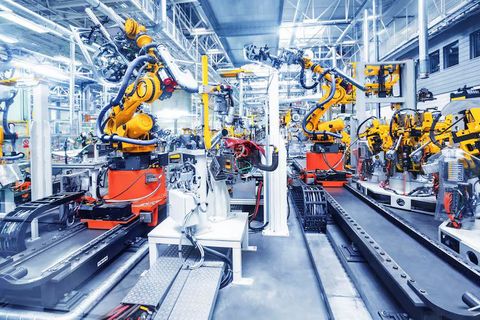
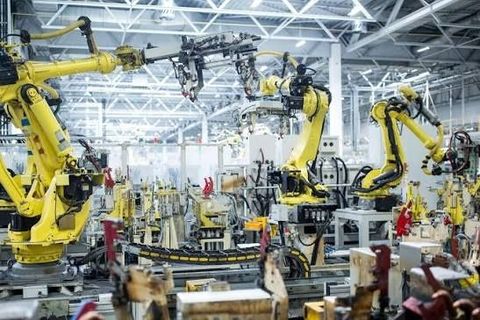
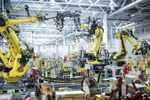
Automation has transformed modern industrial production. Pneumatic systems powered by industrial air compressors are widely used in automated machinery because they provide consistent and reliable energy.
Compressed air supports robotic arms, conveyor systems, packaging equipment, and assembly line operations. Reliable compressor performance is essential for maintaining continuous automation workflows.
Industrial automation systems benefit from compressors because they offer:
- Fast response times
- Reliable power delivery
- Cleaner operation compared to some hydraulic systems
- Easier maintenance integration
- Flexible installation options
As industrial automation expands, demand for advanced compressor systems is expected to increase further.
HVAC Applications and Copeland HVAC Systems
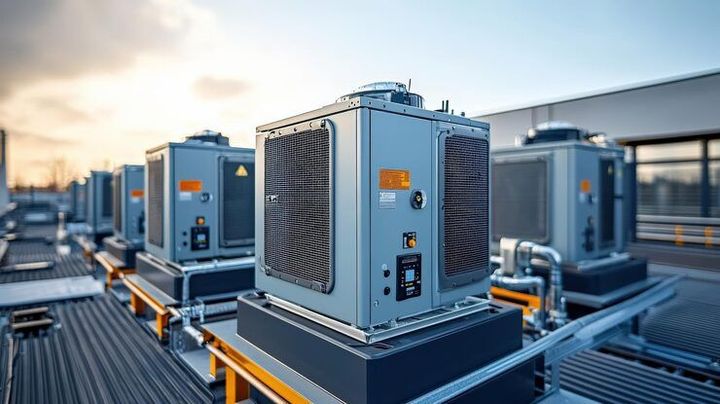
Compressed air technology also plays a role in HVAC and refrigeration systems. Copeland HVAC systems are widely recognized in commercial and industrial cooling applications. These systems support temperature management in manufacturing facilities, cold storage environments, and large commercial buildings.
Copeland HVAC compressor technologies are commonly associated with refrigeration efficiency and climate control performance. Their systems are used in applications requiring reliable cooling under continuous operating conditions.
Industries using HVAC compressor technologies include:
- Food storage facilities
- Pharmaceutical manufacturing
- Chemical processing plants
- Data centers
- Retail refrigeration systems
The integration of efficient HVAC compressors helps maintain stable environmental conditions and operational consistency.
Difference Between Industrial and AC Compressors
Many users confuse industrial compressor systems with AC compressor manufacturers and refrigeration compressors. Although both systems compress gases, their operational purposes differ significantly.
Industrial air compressors mainly generate compressed air for powering equipment and machinery. Air conditioning compressors focus on refrigerant circulation for cooling systems.
| Feature | Industrial Compressor | AC Compressor |
|---|---|---|
| Primary Function | Power industrial tools | Cooling and refrigeration |
| Medium Used | Compressed air | Refrigerant gas |
| Common Industries | Manufacturing and construction | HVAC and cooling systems |
| Operating Pressure | Higher airflow demand | Controlled cooling cycles |
AC compressor manufacturers continue developing advanced cooling technologies to improve energy performance and environmental sustainability.
Maintenance Practices for Industrial Compressors
Proper maintenance is essential for extending compressor lifespan and maintaining efficient operations. Industrial environments can expose compressor systems to dust, moisture, and temperature fluctuations, making regular inspections necessary.
Routine maintenance tasks include:
- Checking air filters
- Monitoring oil levels
- Inspecting hoses and valves
- Removing moisture buildup
- Testing pressure settings
- Examining cooling systems
Preventive maintenance helps avoid unexpected downtime and reduces long-term operational issues.
Facilities using heavy duty air compressors often implement scheduled maintenance programs to ensure continuous productivity.
Future Trends in Industrial Compressor Technology
The industrial compressor industry continues evolving with new technologies focused on sustainability and smart automation. Manufacturers are integrating digital monitoring tools that allow operators to track system performance in real time.
Several trends are shaping the future of industrial air compressors:
- Smart monitoring systems
- Energy-efficient motor designs
- Low-noise compressor technology
- Oil-free compressed air systems
- Variable speed drive integration
- Predictive maintenance analytics
These innovations aim to improve operational reliability while reducing environmental impact and energy consumption.
Conclusion
Industrial air compressors remain a critical component of modern industrial operations. From manufacturing facilities to HVAC systems, these machines support productivity, automation, and energy efficiency across multiple industries.
Heavy duty air compressors provide reliable performance for demanding applications, while vertical air compressors offer practical solutions for facilities with limited space. Air compressor manufacturers continue improving system efficiency through advanced engineering and digital technologies.
As industries adopt smarter automation and sustainable production practices, industrial compressor systems will continue playing a major role in efficient operations. Whether used in manufacturing, refrigeration, or pneumatic automation, compressors remain essential for maintaining smooth and dependable industrial performance.