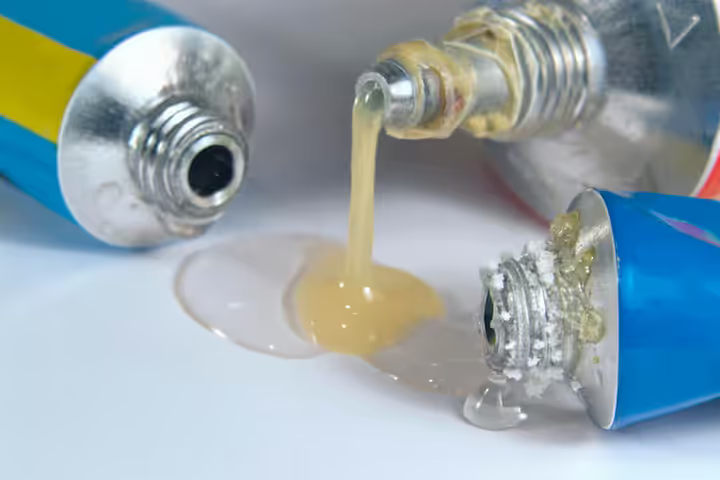
Industrial Adhesives Resources for Advanced Assembly and Production
Industrial adhesives are specialized bonding materials designed to join surfaces together in manufacturing, construction, transportation, electronics, packaging, and many other industries. Unlike traditional mechanical fastening methods such as screws, bolts, or welding, adhesives create a bond across the entire contact area, helping distribute stress more evenly.
Modern industrial adhesives have become an essential part of advanced manufacturing because they can bond different materials, reduce assembly complexity, and support lightweight product designs. As industries continue to develop new materials and production methods, adhesive technology remains a critical component of efficient industrial processes.
Understanding Industrial Adhesives
Industrial adhesives are formulated substances that create a durable connection between two or more surfaces. They may be supplied as liquids, pastes, films, powders, or tapes depending on the intended application.
The bonding process typically involves surface contact, adhesive application, curing, and bond formation. During curing, the adhesive develops strength through chemical reactions, cooling, evaporation, or exposure to environmental conditions.
These materials are engineered to withstand specific operating environments, including high temperatures, moisture, chemicals, vibration, and mechanical loads.
Major Types of Industrial Adhesives
| Adhesive Type | Primary Characteristics | Common Applications |
|---|---|---|
| Epoxy Adhesives | High strength and chemical resistance | Aerospace, automotive, machinery |
| Polyurethane Adhesives | Flexible and impact-resistant | Construction, transportation |
| Acrylic Adhesives | Fast curing and durable bonding | Electronics, signage |
| Silicone Adhesives | Heat and weather resistance | Electrical systems, sealing |
| Cyanoacrylate Adhesives | Rapid bonding | Precision assembly |
| Hot Melt Adhesives | Quick application and solidification | Packaging and consumer products |
| Pressure-Sensitive Adhesives | Bond under light pressure | Labels, tapes, protective films |
How Industrial Adhesives Work
Industrial adhesives function by creating molecular interactions between the adhesive and substrate surfaces. Once applied, the adhesive wets the surface and fills microscopic irregularities.
The bonding mechanism may involve:
Key Bonding Mechanisms
- Mechanical interlocking with surface textures
- Chemical bonding at the molecular level
- Electrostatic attraction between surfaces
- Diffusion bonding in compatible materials
- Cohesive strength development during curing
Proper surface preparation is often necessary to achieve reliable bond performance. Cleaning, roughening, or treating surfaces can significantly improve adhesion.
Importance of Industrial Adhesives in Manufacturing
Industrial adhesives have transformed modern production processes by enabling new design possibilities and improving manufacturing efficiency.
Major Benefits
- Reduced component weight
- Improved stress distribution
- Enhanced corrosion resistance
- Ability to join dissimilar materials
- Reduced vibration and noise
- Better aesthetic appearance
- Simplified assembly procedures
- Increased design flexibility
Manufacturers frequently use structural bonding solutions to replace or supplement traditional fastening methods, especially when lightweight materials are involved.
Common Industrial Applications
Industrial adhesives are used across numerous sectors where reliable material bonding is essential.
Automotive Industry
- Vehicle body assembly
- Interior component attachment
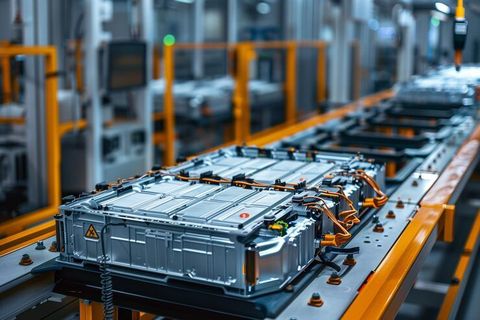
- Battery pack assembly
- Lightweight material integration
- Noise and vibration reduction
Modern electric vehicles increasingly rely on advanced adhesive technology for battery modules and lightweight structural components.
Aerospace Industry
- Composite structure bonding
- Aircraft interior assembly
- Structural reinforcement
- Vibration-resistant connections
High-performance epoxy adhesives are widely utilized because of their strength and environmental resistance.
Construction Industry
- Panel installation
- Flooring systems
- Insulation attachment
- Structural bonding applications
Construction adhesives help improve installation efficiency while supporting long-term durability.
Electronics Manufacturing
- Circuit board assembly
- Component encapsulation
- Thermal management applications
- Device protection
Miniaturized electronic products often depend on adhesive materials that provide both bonding and environmental protection.
Packaging Industry
- Carton sealing
- Label attachment
- Flexible packaging production
- Product assembly
Hot melt adhesives remain a key technology in high-speed packaging operations.
Key Factors When Selecting Industrial Adhesives
Selecting the appropriate adhesive requires consideration of multiple performance factors.
Important Selection Criteria
- Substrate compatibility
- Temperature resistance
- Chemical exposure conditions
- Mechanical load requirements
- Environmental conditions
- Curing time requirements
- Production speed objectives
- Regulatory compliance needs
Engineers often conduct testing and validation to ensure long-term performance under actual operating conditions.
Industrial Adhesive Components and Formulations
Industrial adhesive formulations contain several ingredients that influence performance characteristics.
Common Components
- Base polymers
- Curing agents
- Fillers
- Plasticizers
- Stabilizers
- Reinforcement additives
- Performance modifiers
- Processing aids
Manufacturers continuously refine formulations to improve bond strength, durability, and sustainability.
Recent Trends and Developments (2025–2026)
The industrial adhesives sector has experienced significant innovation during the past year due to changing manufacturing requirements and sustainability goals.
Notable Industry Trends
- Increased use of low-emission adhesive formulations
- Growth in bio-based adhesive research
- Expansion of adhesive applications in electric vehicle production
- Development of smart adhesives with monitoring capabilities
- Improved automation compatibility for manufacturing lines
- Enhanced thermal management adhesives for electronics
- Greater focus on recyclable bonding technologies
Developments Observed During 2025–2026
- Advanced adhesive solutions designed for battery manufacturing have gained wider adoption.
- Research into sustainable and renewable raw materials has accelerated.
- Automated dispensing systems have become increasingly integrated into smart factories.
- New structural bonding technologies support lightweight composite materials used in transportation and aerospace sectors.
These developments reflect broader industrial priorities involving efficiency, sustainability, and material innovation.
Regulations and Industry Standards
Industrial adhesives may be subject to various regulations depending on their composition and application.
Common Regulatory Considerations
- Chemical safety requirements
- Environmental compliance standards
- Workplace exposure regulations
- Product labeling requirements
- Transportation and storage guidelines
- Industry-specific certification standards
Frequently Referenced Standards
- ISO quality management standards
- ASTM testing standards
- Environmental and emissions regulations
- Occupational safety guidelines
- Industry-specific engineering specifications
Organizations should verify compliance with applicable regional and industry requirements before implementing adhesive systems.
Useful Tools and Learning Resources
Professionals working with industrial adhesives can benefit from various technical resources.
Helpful Resources
- Material safety data documentation
- Adhesive manufacturer technical guides
- ISO standards publications
- ASTM testing references
- Engineering material databases
- Manufacturing process manuals
- Industry association publications
- Technical training programs
These resources help engineers, technicians, and manufacturers make informed decisions regarding adhesive selection and application.
Challenges Associated with Industrial Adhesives
Despite their advantages, industrial adhesives can present certain challenges.
Common Challenges
- Surface contamination affecting bond quality
- Improper curing conditions
- Environmental degradation over time
- Material compatibility concerns
- Inspection and quality control complexity
- Storage and handling requirements
Proper process control and testing procedures are essential for minimizing these issues.
Future Outlook
Industrial adhesive technology is expected to continue evolving as industries pursue lightweight construction, automation, sustainability, and advanced materials.
Emerging Areas
- Smart manufacturing integration
- Sustainable adhesive chemistry
- Advanced composite bonding
- Electric mobility applications
- High-performance electronics assembly
- Automated quality monitoring systems
These advancements may further expand the role of industrial bonding solutions in modern manufacturing environments.
FAQs
What are industrial adhesives used for?
Industrial adhesives are used to bond materials in manufacturing, construction, automotive production, aerospace assembly, electronics fabrication, and packaging operations.
How do industrial adhesives differ from household adhesives?
Industrial adhesives are engineered for demanding environments and often provide higher strength, durability, temperature resistance, and chemical resistance than general-purpose household products.
Which industries rely most heavily on industrial adhesives?
Automotive, aerospace, electronics, construction, packaging, renewable energy, and industrial equipment manufacturing are among the largest users of industrial adhesives.
What factors influence adhesive performance?
Surface preparation, environmental conditions, curing methods, substrate compatibility, and adhesive formulation all influence bonding performance.
Are sustainable industrial adhesives becoming more common?
Yes. Many manufacturers are developing lower-emission, bio-based, and environmentally responsible adhesive technologies to support sustainability objectives and regulatory compliance.
Conclusion
Industrial adhesives play a crucial role in modern manufacturing and engineering by providing reliable, efficient, and versatile bonding solutions. From automotive production and aerospace assembly to electronics manufacturing and construction, these materials help connect components while improving performance and design flexibility.
Advances in adhesive technology, sustainability initiatives, and automation-compatible formulations continue to expand their industrial importance. As industries adopt new materials and production methods, industrial adhesives will remain a fundamental technology supporting innovation, durability, and efficient manufacturing processes.