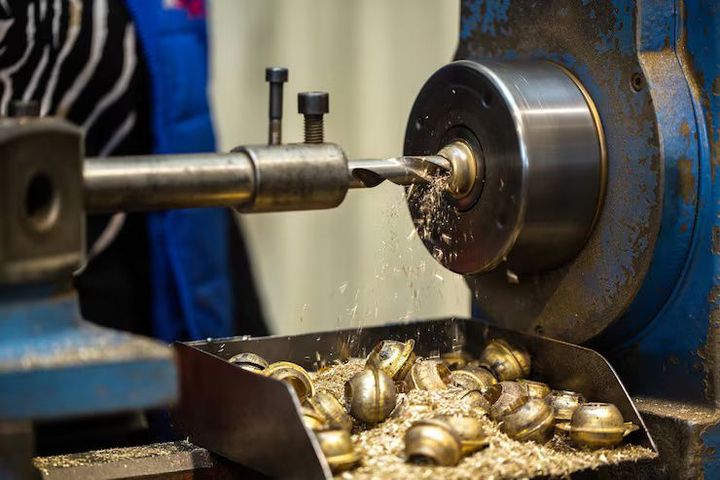
Hydraulic Open Die Forging Press Machines: Benefits, Applications, and Industry Trends
Hydraulic open die forging press machines are large industrial systems used to shape metal through controlled compressive force. Unlike closed-die forging, where metal is pressed into a specific mold, open die forging allows the material to be compressed between flat or simple-shaped dies. This process gradually transforms the metal into the desired shape through multiple pressing operations.
The technology has existed for many decades and continues to play an important role in modern manufacturing. Industries that require large, strong, and reliable metal components often rely on open die forging because it can produce parts with excellent mechanical properties.
Hydraulic presses use fluid pressure to generate force. This approach allows operators to apply pressure more precisely compared to mechanical systems. As a result, manufacturers can create components with consistent quality and improved structural integrity.
Common materials used in open die forging include:
- Carbon steel
- Alloy steel
- Stainless steel
- Aluminum alloys
- Titanium alloys
- Nickel-based alloys
The process is widely used for producing large shafts, rings, cylinders, blocks, and heavy industrial components that require high strength and durability.
Why Hydraulic Open Die Forging Matters Today
Modern industries face increasing demands for stronger materials, greater efficiency, and improved product reliability. Hydraulic open die forging helps address these challenges by improving the internal grain structure of metals and reducing defects.
Many critical sectors depend on forged components because failure is not an option in demanding environments. These sectors include aerospace, energy generation, transportation, defense, heavy engineering, and infrastructure development.
Key Benefits
| Benefit | Description |
|---|---|
| High Strength | Improves metal grain flow and mechanical properties |
| Better Reliability | Reduces internal voids and material inconsistencies |
| Flexibility | Suitable for producing various shapes and sizes |
| Precision Control | Hydraulic systems allow controlled force application |
| Large Component Production | Ideal for oversized industrial parts |
Industries That Use Open Die Forging
- Aerospace manufacturing
- Wind energy equipment
- Oil and gas infrastructure
- Power generation systems
- Railway equipment production
- Marine engineering
- Mining machinery
- Industrial automation
As industrial projects become larger and more technically demanding, forged components continue to support critical operations across global supply chains.
Industry Trends and Recent Updates in 2025–2026
The forging industry has experienced several important developments during the past year. Manufacturers are increasingly adopting digital technologies, energy-efficient equipment, and advanced monitoring systems.
Growing Adoption of Smart Manufacturing
Throughout 2025 and into 2026, many facilities have integrated Industry 4.0 technologies into forging operations. Sensors, data analytics, and machine monitoring systems help improve production consistency and reduce downtime.
Smart monitoring enables manufacturers to track:
- Press performance
- Temperature conditions
- Material behavior
- Production efficiency
- Maintenance schedules
Focus on Energy Efficiency
Environmental concerns and sustainability goals have encouraged manufacturers to modernize hydraulic systems. New-generation presses are designed to consume less energy while maintaining high performance levels.
Energy-efficient hydraulic technologies help:
- Reduce power consumption
- Lower operational emissions
- Improve process control
- Support sustainability objectives
Advanced Materials Demand
The demand for lightweight yet durable materials continues to increase. Aerospace and transportation sectors are using more advanced alloys that require sophisticated forging techniques.
As a result, forging facilities are investing in upgraded hydraulic press systems capable of handling specialized materials with greater precision.
Automation Expansion
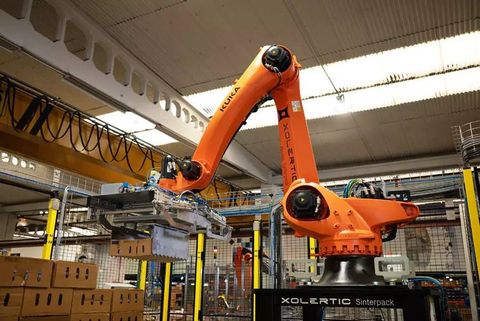
Automation has become a major trend during 2025 and 2026. Robotic handling systems and automated process controls help improve workplace safety and production consistency.
A simplified representation of current industry priorities is shown below:
| Industry Trend | Impact Level in 2026 |
| Automation | Very High |
| Digital Monitoring | Very High |
| Energy Efficiency | High |
| Advanced Alloys | High |
| Predictive Maintenance | High |
| Sustainability Programs | Growing |
Supply Chain Resilience
Global manufacturers have also focused on strengthening supply chains. Regional production capabilities and localized sourcing strategies have become increasingly important for maintaining operational stability.
Regulations and Policy Considerations
Hydraulic open die forging operations are influenced by several regulatory frameworks. These regulations vary by country but generally focus on workplace safety, environmental protection, and manufacturing quality standards.
Workplace Safety Requirements
Industrial forging environments involve high temperatures, heavy machinery, and powerful hydraulic systems. Therefore, governments often require facilities to implement:
- Worker safety training
- Equipment inspection programs
- Emergency response procedures
- Personal protective equipment standards
- Machine guarding requirements
Environmental Compliance
Environmental regulations increasingly affect forging operations. Facilities may need to monitor:
- Energy consumption
- Industrial emissions
- Waste management practices
- Noise levels
- Water usage
Quality Standards
Many industries require forged components to meet strict quality specifications. Quality management systems often include:
- Material traceability
- Process documentation
- Product testing
- Inspection procedures
- Certification requirements
Government Manufacturing Initiatives
Several countries continue to support advanced manufacturing through industrial modernization programs. These initiatives encourage:
- Technology upgrades
- Digital transformation
- Energy-efficient production
- Workforce development
- Innovation in engineering sectors
Such programs help strengthen industrial competitiveness while promoting sustainable manufacturing practices.
Useful Tools and Resources
Professionals, students, and researchers interested in forging technology can benefit from a variety of educational and technical resources.
Engineering Calculation Tools
Useful calculators include:
- Forging force estimators
- Material property calculators
- Metal weight calculators
- Thermal expansion calculators
- Production efficiency calculators
Design and Simulation Software
Modern engineering platforms help users:
- Model forged components
- Simulate material flow
- Analyze stress distribution
- Predict manufacturing outcomes
Learning Resources
Helpful educational materials include:
- Engineering textbooks
- Manufacturing handbooks
- Technical journals
- Industry reports
- Research publications
Digital Monitoring Systems
Many facilities use digital platforms for:
- Equipment monitoring
- Maintenance scheduling
- Process tracking
- Data analytics
- Quality management
Training Materials
Professionals can improve their knowledge through:
- Industrial certification programs
- Technical workshops
- Manufacturing seminars
- Engineering webinars
- Safety training modules
These resources help individuals stay informed about evolving technologies and best practices in forging operations.
Frequently Asked Questions
What is an open die forging press machine?
An open die forging press machine shapes metal by applying compressive force between dies that do not completely enclose the material. The metal is gradually formed through repeated pressing operations.
Why are hydraulic presses commonly used in forging?
Hydraulic presses provide precise force control and consistent pressure throughout the forging process. This helps improve product quality and supports the production of large industrial components.
Which industries depend on open die forged components?
Industries such as aerospace, power generation, transportation, marine engineering, mining, and heavy manufacturing commonly use open die forged parts because of their strength and reliability.
How does open die forging improve material performance?
The forging process refines the internal grain structure of metal, improving strength, toughness, and resistance to fatigue while reducing potential internal defects.
What are the major trends shaping the forging industry in 2026?
Key trends include automation, smart manufacturing systems, predictive maintenance, digital monitoring, sustainability initiatives, energy-efficient equipment, and the use of advanced alloys.
Conclusion
Hydraulic open die forging press machines remain an essential part of modern manufacturing in 2026. Their ability to produce strong, durable, and reliable metal components makes them valuable across many industrial sectors. From aerospace and energy production to transportation and infrastructure projects, forged products continue to support critical applications worldwide.