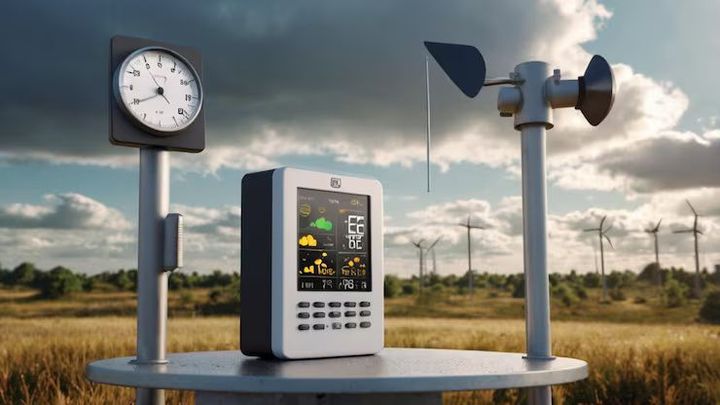
Humidity Sensor Guide: Basics, Uses, and Key Insights
Humidity plays an important role in indoor comfort, industrial operations, healthcare environments, agriculture, and data storage. A humidity sensor helps measure the amount of moisture in the air so that conditions can be monitored and controlled accurately. Modern humidity sensor technology is now widely used in homes, factories, transportation systems, and digital infrastructure.
Industries increasingly rely on industrial humidity sensor systems and wireless humidity monitoring system platforms to improve environmental tracking. From HVAC humidity sensor installations in commercial buildings to data center humidity monitoring systems that protect servers, humidity measurement has become a key part of operational planning and safety.
Context – What Humidity Sensors Are and Why They Matter
A humidity sensor is an electronic device that detects and measures moisture levels in the air. These sensors are commonly used in humidity control systems to maintain stable environmental conditions. Depending on the application, humidity sensors may measure relative humidity, absolute humidity, or dew point.
Humidity sensors work by detecting changes in electrical resistance, capacitance, or thermal conductivity caused by moisture in the air. The collected information can then be displayed on monitoring equipment or integrated into automated systems.
Common Types of Humidity Sensors
There are several major types of humidity sensor technology used today:
| Sensor Type | Main Function | Common Applications |
|---|---|---|
| Capacitive Sensor | Measures changes in electrical capacitance | HVAC systems, consumer electronics |
| Resistive Sensor | Detects changes in electrical resistance | Industrial monitoring |
| Thermal Sensor | Measures thermal conductivity of air | Laboratories and manufacturing |
| Digital Humidity Sensor | Converts readings into digital data | Smart buildings and wireless systems |
Industrial facilities often use industrial humidity sensor devices because they can handle demanding environments such as warehouses, manufacturing plants, and processing units.
Where Humidity Sensors Are Used
Humidity sensors are now found in many environments, including:
- Commercial buildings
- Hospitals and laboratories
- Agricultural facilities
- Museums and archives
- Smart homes
- Transportation systems
- Data centers
An HVAC humidity sensor is commonly installed in heating and cooling systems to improve indoor air management. These sensors help maintain comfortable humidity levels while supporting energy efficiency.
Wireless humidity monitoring system platforms are also becoming more common because they allow remote monitoring across multiple locations without extensive wiring.
Importance – Why Humidity Monitoring Matters
Humidity levels directly affect health, equipment performance, and material preservation. Too much moisture can encourage mold growth, corrosion, and equipment damage. Extremely low humidity can create static electricity, material cracking, and respiratory discomfort.
Benefits of Proper Humidity Monitoring
Humidity monitoring provides several practical advantages:
- Supports indoor comfort
- Protects sensitive electronic equipment
- Helps preserve stored products
- Improves industrial process consistency
- Assists with energy management
- Reduces moisture-related maintenance issues
In industrial environments, humidity control systems help maintain stable production conditions. Industries such as pharmaceuticals, food processing, and electronics manufacturing often require carefully controlled humidity levels to maintain product quality.
Data center humidity monitoring is especially important because excessive moisture can damage hardware, while very dry air can increase static electricity risks. Many data centers use automated humidity sensor technology integrated with cooling and ventilation systems.
Impact on Public Health and Buildings
Humidity also affects human comfort and indoor air quality. Buildings with poor humidity control may experience:
- Mold growth
- Condensation issues
- Dust mite activity
- Structural deterioration
- Reduced ventilation efficiency
HVAC humidity sensor systems help building managers maintain stable indoor conditions in offices, schools, hospitals, and residential complexes.
Recent Updates – Trends and Developments From 2024–2026
Humidity sensor technology has continued to advance between 2024 and 2026. Many newer systems now combine environmental monitoring with automation, cloud connectivity, and artificial intelligence.
One major trend is the growth of wireless humidity monitoring system solutions. These systems allow organizations to track environmental conditions remotely through mobile applications and cloud-based dashboards.
Growth of Smart Monitoring Systems
Modern humidity sensors increasingly support:
- Real-time alerts
- Remote diagnostics
- Cloud data storage
- Predictive maintenance
- Integration with smart building systems
Industrial humidity sensor manufacturers are also focusing on improved durability and accuracy for demanding environments. Many sensors now include corrosion-resistant materials and advanced calibration features.
Expansion in Data Centers and Smart Buildings
Data center humidity monitoring has become more advanced due to the rapid expansion of cloud computing and artificial intelligence infrastructure. Operators are placing greater emphasis on environmental stability to protect servers and networking equipment.
Smart building systems are also integrating humidity sensor technology alongside temperature, occupancy, and air-quality monitoring systems. These integrated platforms help facility managers improve environmental efficiency and reduce unnecessary energy usage.
Miniaturization and Energy Efficiency
Another important development is sensor miniaturization. Smaller humidity sensors are now being integrated into:
- Wearable devices
- Smart appliances
- Portable medical equipment
- Agricultural monitoring tools
- Internet of Things (IoT) systems
Manufacturers are also improving battery efficiency for wireless humidity monitoring system devices, allowing longer operation in remote locations.
Laws or Policies – Regulations and Industry Standards
Humidity monitoring may be influenced by workplace regulations, building standards, environmental guidelines, and industry-specific compliance requirements.
Different countries and industries apply different rules depending on the application. While humidity sensors themselves are not always directly regulated, the environments they monitor often are.
Workplace and Safety Standards
Industrial facilities may follow environmental monitoring guidelines related to:
- Occupational safety
- Indoor air quality
- Equipment protection
- Pharmaceutical manufacturing
- Food storage conditions
For example, pharmaceutical and healthcare facilities often maintain strict humidity ranges to support product stability and laboratory consistency.
Building and HVAC Regulations
Many modern building standards encourage proper indoor humidity management to improve air quality and energy performance. HVAC humidity sensor systems are commonly used to support these objectives.
Building management policies may include recommendations for:
| Environment | Recommended Relative Humidity Range |
| Offices | 30%–60% |
| Data Centers | 40%–60% |
| Museums and Archives | 45%–55% |
| Hospitals | 40%–60% |
| Manufacturing Areas | Varies by process |
Humidity control systems help organizations maintain these target ranges more consistently.
Data Center Environmental Guidelines
Data center humidity monitoring practices often follow industry recommendations from technology and infrastructure organizations. Environmental stability helps reduce equipment failure risks and supports operational continuity.
Many operators now use automated monitoring platforms that combine temperature, humidity, and airflow analysis in a single system.
Tools and Resources – Helpful Platforms and Monitoring Options
Organizations and individuals use many different tools to monitor humidity levels and manage environmental conditions.
Some resources focus on basic measurement, while others provide advanced analytics and automation.
Common Humidity Monitoring Tools
The following tools are frequently used in humidity management:
- Digital hygrometers
- Wireless humidity monitoring system platforms
- Smart thermostats
- HVAC control panels
- Industrial automation software
- Cloud-based environmental dashboards
Industrial humidity sensor systems are often connected to centralized monitoring software for continuous tracking and reporting.
Useful Features in Monitoring Platforms
Modern humidity monitoring platforms may include:
- Mobile notifications
- Historical trend analysis
- Data export tools
- Multi-location monitoring
- Sensor calibration tracking
- Environmental reporting dashboards
Wireless humidity monitoring system technology is especially useful in large facilities because it simplifies sensor deployment across multiple rooms or buildings.
Choosing the Right Humidity Sensor
Several factors influence humidity sensor selection:
| Factor | Why It Matters |
| Accuracy | Important for sensitive environments |
| Operating Range | Determines environmental compatibility |
| Connectivity | Supports remote monitoring |
| Calibration Stability | Helps maintain reliable readings |
| Durability | Important for industrial settings |
An HVAC humidity sensor used in an office building may have different requirements than an industrial humidity sensor used in manufacturing facilities.
FAQs
What does a humidity sensor measure?
A humidity sensor measures the amount of moisture in the air. Most systems measure relative humidity, which compares current moisture levels to the maximum moisture air can hold at a specific temperature.
Why is data center humidity monitoring important?
Data center humidity monitoring helps protect servers and networking equipment. High humidity may cause condensation, while very low humidity can increase static electricity risks.
How does a wireless humidity monitoring system work?
A wireless humidity monitoring system uses sensors that transmit environmental data through wireless communication methods such as Wi-Fi, Bluetooth, or radio frequency networks.
Where are HVAC humidity sensor systems commonly installed?
HVAC humidity sensor systems are commonly installed in offices, schools, hospitals, shopping centers, and residential buildings to help maintain indoor comfort and air quality.
What industries use industrial humidity sensor systems?
Industrial humidity sensor systems are widely used in manufacturing, pharmaceuticals, agriculture, food processing, logistics, and electronics production.
Conclusion
Humidity sensors play an important role in environmental monitoring across homes, commercial buildings, industrial facilities, and digital infrastructure. Modern humidity sensor technology continues to evolve with wireless connectivity, automation, and smart monitoring features. Industrial humidity sensor systems, HVAC humidity sensor installations, and data center humidity monitoring platforms all help organizations maintain stable conditions and reduce environmental risks.
As wireless humidity monitoring system technology becomes more advanced, organizations can monitor conditions more efficiently across multiple locations. Humidity control systems are expected to remain an important part of building management, industrial operations, and environmental protection in the coming years.