Hospital X-Ray Machines Explained: Explore Guide, Basics, Tips, Insights, Knowledge, Facts, and Helpful Resources
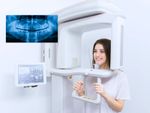
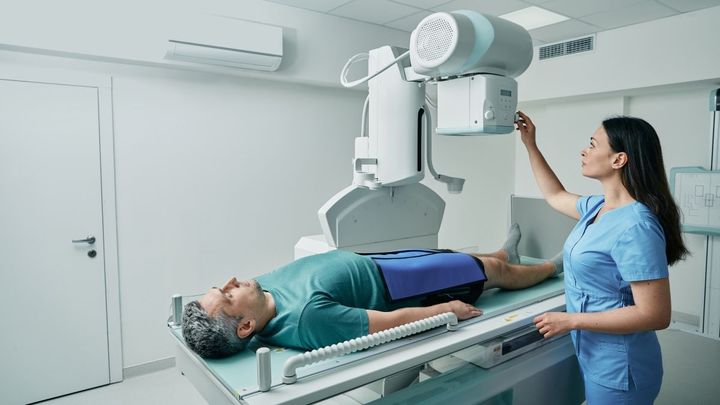
Hospital X-ray machines are medical imaging devices that use electromagnetic radiation to create images of structures inside the human body. They were developed to help healthcare professionals examine bones, organs, tissues, and other internal areas without surgery.
Medical imaging has become an essential part of modern healthcare. X-ray technology helps physicians investigate symptoms, identify injuries, monitor treatments, and support clinical decision-making. From emergency departments to specialized diagnostic centers, X-ray systems are widely used across healthcare facilities.
The basic principle behind an X-ray machine involves directing controlled radiation through the body. Different tissues absorb radiation at different levels. Dense materials such as bones absorb more radiation and appear lighter on an image, while softer tissues appear darker.
Common Types of Hospital X-Ray Systems
| X-Ray System Type | Primary Purpose |
|---|---|
| Digital Radiography (DR) | General diagnostic imaging |
| Computed Radiography (CR) | Digital image acquisition |
| Portable X-Ray Systems | Bedside imaging in hospitals |
| Fluoroscopy Systems | Real-time imaging procedures |
| Mobile Digital X-Ray Units | Imaging in emergency settings |
| Chest X-Ray Systems | Lung and respiratory examinations |
Modern healthcare facilities increasingly use digital radiography systems because they provide faster image processing and improved workflow efficiency.
Why Hospital X-Ray Machines Matter
Medical imaging technology plays a significant role in patient care. Healthcare professionals rely on X-ray examinations to gather information that may not be visible through physical examinations alone.
Important applications include:
- Bone fracture assessment
- Chest and lung imaging
- Dental examinations
- Joint evaluation
- Orthopedic diagnostics
- Emergency medicine support
- Monitoring treatment progress
- Surgical planning assistance
Patients of all age groups may benefit from diagnostic imaging when clinically appropriate. Physicians use imaging findings alongside medical history, symptoms, and laboratory results to make informed decisions.
Healthcare Challenges Addressed by X-Ray Technology
Hospital X-ray machines help address several healthcare challenges:
| Challenge | Role of X-Ray Imaging |
| Delayed diagnosis | Supports faster clinical evaluation |
| Hidden injuries | Reveals internal fractures and trauma |
| Disease monitoring | Tracks treatment progress |
| Emergency assessment | Assists rapid patient management |
| Surgical planning | Provides anatomical information |
As healthcare systems continue to expand, medical imaging remains one of the most frequently used diagnostic technologies worldwide.
Recent Updates and Trends in Medical X-Ray Technology
The medical imaging sector has experienced notable developments during 2025 and 2026. Healthcare providers continue adopting advanced digital imaging technologies to improve efficiency and image quality.
Key trends include:
- Increased use of Artificial Intelligence (AI) for image analysis support
- Expanded deployment of portable digital radiography systems
- Improved detector technology for enhanced image clarity
- Cloud-based image storage and sharing solutions
- Workflow automation in radiology departments
- Greater focus on radiation dose optimization
Healthcare organizations have also emphasized cybersecurity protection for connected medical imaging systems due to the growing use of digital healthcare infrastructure.
Recent Industry Developments
| Year | Notable Trend |
| 2025 | Growth of AI-assisted radiology workflows |
| 2025 | Wider adoption of mobile imaging units |
| 2025 | Expansion of cloud-connected imaging platforms |
| 2026 | Continued focus on radiation safety optimization |
| 2026 | Enhanced integration with electronic health records |
Technology Evolution Overview
Analog Imaging
      ↓
Computed Radiography
      ↓
Digital Radiography
      ↓
AI-Assisted Imaging
      ↓
Connected Smart Imaging Systems
These developments aim to improve operational efficiency while maintaining clinical accuracy and patient safety standards.
Regulations, Standards, and Healthcare Policies
Hospital X-ray machines operate within a framework of healthcare regulations and safety standards. Governments and regulatory agencies establish requirements to protect patients, healthcare workers, and the public.
Key regulatory areas typically include:
- Radiation protection standards
- Equipment performance requirements
- Quality assurance programs
- Facility licensing requirements
- Staff training and certification
- Medical device compliance standards
Many countries follow recommendations from international organizations involved in radiation safety and medical imaging guidance.
Relevant policy areas often include:
- Radiation exposure monitoring
- Medical imaging quality control
- Patient safety initiatives
- Healthcare technology assessments
- Diagnostic imaging accreditation programs
Healthcare facilities generally conduct routine inspections, calibration procedures, and maintenance checks to ensure imaging equipment performs according to established standards.
Radiation Safety Considerations
Healthcare providers apply several principles to promote safe imaging practices:
- Clinical justification before imaging
- Appropriate examination selection
- Radiation dose optimization
- Equipment quality control testing
- Use of protective measures when needed
- Continuous staff education
Radiation exposure from medical imaging is carefully managed, and examinations are typically performed only when the expected clinical benefit outweighs potential risks.
Helpful Tools and Resources
A variety of digital tools and resources support healthcare professionals, students, researchers, and patients seeking information about medical imaging.
Useful resources include:
- Medical imaging education platforms
- Radiology learning portals
- Radiation dose reference guides
- Diagnostic imaging databases
- Healthcare technology publications
- Medical research journals
- Clinical practice guidelines
- Anatomy learning applications
Common resource categories:
| Resource Type | Purpose |
| Medical Imaging Guides | Educational learning |
| Radiation Safety References | Understanding exposure principles |
| Radiology Journals | Research updates |
| Anatomy Platforms | Image interpretation support |
| Healthcare Technology Reports | Industry trends and developments |
Tips for Understanding X-Ray Reports
Patients often receive imaging reports after examinations. While final interpretation should come from qualified healthcare professionals, a few general tips can help improve understanding:
- Read the report together with physician guidance.
- Review the clinical findings section.
- Note whether follow-up imaging is recommended.
- Ask questions regarding unfamiliar terminology.
- Consider the report as one part of the overall medical evaluation.
Medical imaging results should always be interpreted within the broader context of symptoms, medical history, and other diagnostic information.
Frequently Asked Questions
What is an X-ray machine used for?
An X-ray machine is used to create images of structures inside the body. It helps healthcare professionals examine bones, joints, lungs, and other internal areas for diagnostic purposes.
Are hospital X-ray examinations safe?
Medical imaging procedures are generally considered safe when performed according to established guidelines. Healthcare providers use radiation protection practices and dose optimization techniques to support patient safety.
What is the difference between digital and traditional X-ray systems?
Digital X-ray systems capture images electronically, allowing faster processing, storage, and sharing. Traditional systems relied on physical film development.
Can X-rays detect all medical conditions?
No. X-rays are valuable diagnostic tools but may not identify every condition. Physicians often combine imaging results with clinical examinations and additional tests when necessary.
Why do hospitals use portable X-ray machines?
Portable systems allow imaging to be performed at a patient's bedside, which can be especially useful in intensive care units, emergency settings, and situations where patient transport is difficult.
How often are hospital X-ray machines inspected?
Inspection schedules vary by healthcare regulations and facility policies. Equipment is commonly subject to routine quality assurance testing, calibration, and safety evaluations.
Key Facts About Hospital X-Ray Machines
- X-ray technology has been used in medicine for more than a century.
- Digital radiography has become increasingly common in healthcare facilities.
- Medical imaging supports diagnosis, treatment planning, and patient monitoring.
- Radiation safety standards guide imaging practices worldwide.
- Advances in AI and digital technologies continue shaping modern radiology.
Conclusion
Hospital X-ray machines remain a foundational component of modern healthcare. They provide valuable diagnostic information that assists healthcare professionals in evaluating injuries, monitoring diseases, and supporting patient care. Ongoing developments in digital radiography, artificial intelligence, image management systems, and radiation safety continue to improve the effectiveness of medical imaging. Understanding how these systems work, the regulations that govern them, and the resources available for learning can help patients, students, and healthcare professionals better appreciate the role of X-ray technology in today's healthcare environment.